TRENDING

Saturday, 24 October 2026
----------------------
13 Jumada Al-Awwal 1448 AH
A historic mosque near the Indian prime minister’s home is slated for demolition, sparking fears among local Muslims and heritage activists. The episode reveals how political calculus, urban planning, and communal politics intersect in contemporary India.
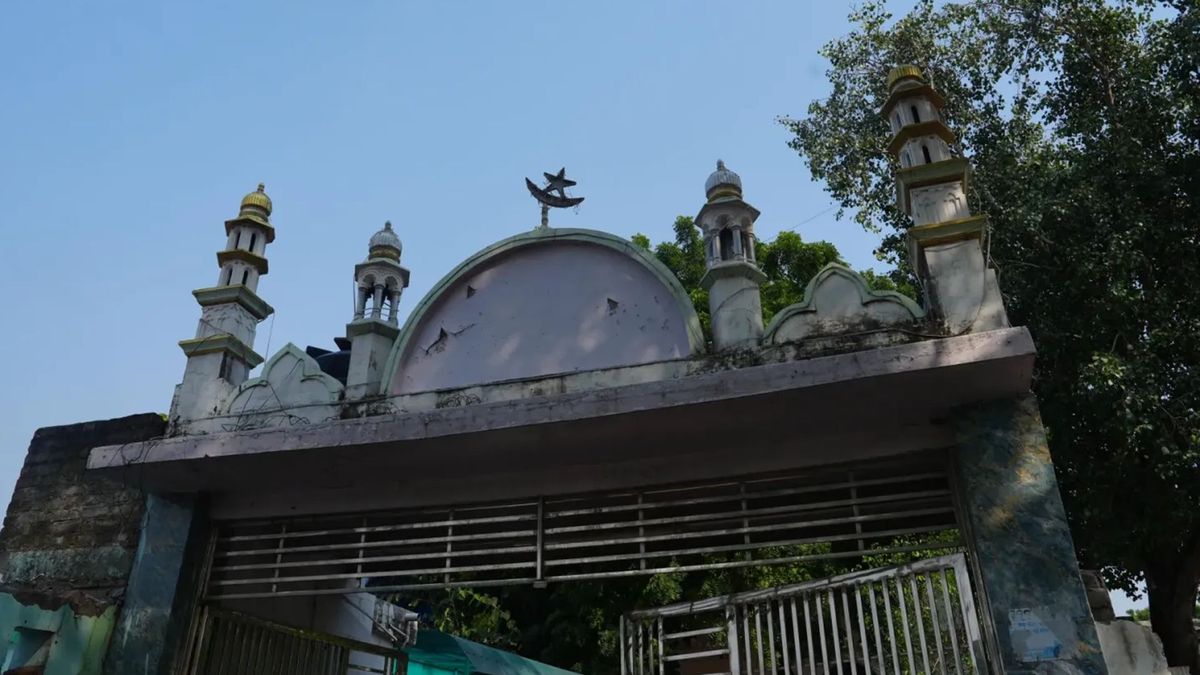
A century‑old mosque situated a few kilometres from Prime Minister Narendra Modi’s official residence in Delhi has been cut off from water and electricity after its imam received an eviction notice. Local media report that municipal authorities have begun clearing adjacent structures as part of a broader demolition drive in the upscale neighbourhood.
The notice, delivered in early October 2026, cites violations of a 2019 urban development plan that earmarks the area for high‑density commercial projects. While the government frames the action as routine enforcement, residents and worshippers argue that the mosque’s heritage status and active congregation have been ignored.
The first layer of power at play is political survival. Narendra Modi and his BJP government have cultivated a narrative that equates rapid urban modernization with national progress. By endorsing large‑scale redevelopment near the capital’s power corridors, the administration signals to business elites and foreign investors that Delhi is open for high‑value projects, reinforcing the party’s growth‑oriented brand.
Economic incentives also drive the demolition. The land parcel surrounding the mosque is valued at over ₹10,000 crore, making it a magnet for real‑estate syndicates seeking to build luxury apartments, office towers, and retail complexes. These developers have close ties to senior party functionaries, creating a feedback loop where policy decisions translate directly into private profit.
A second, less visible force is communal politics. Since the 2014 election, the ruling party has leveraged Hindu nationalist sentiment to consolidate its base. Targeting a Muslim place of worship—especially one near the prime minister’s own neighbourhood—serves as a subtle reminder of the state’s capacity to reshape the urban landscape in line with a majoritarian vision, without overtly invoking religious rhetoric.
Finally, bureaucratic inertia and legal ambiguity provide the operational cover. The 2019 development plan was drafted with vague clauses about “structures lacking proper permits,” allowing municipal officials to interpret the law retroactively. This legal gray zone makes it difficult for the mosque’s trustees to mount an effective judicial challenge before the demolition machinery is set in motion.
The most immediate victims are the Muslim families who attend the mosque for daily prayers, weddings, and funerals. For many, the mosque is not just a building but a generational anchor that hosts social support networks, charity distribution, and educational programs for children.
Local small‑business owners—vendors of tea, sweets, and religious items—depend on the foot traffic generated by worshippers. The loss of the mosque would cut off their primary customer base, threatening livelihoods that are already precarious in a city where informal economies operate on thin margins.
Heritage activists and civil‑society groups also bear a cost. The demolition would erase a piece of Delhi’s layered history that reflects Mughal‑era architecture blended with colonial‑period modifications. Their efforts to document and preserve such sites are undermined, sending a chilling signal to other communities seeking to protect cultural landmarks.
Official statements emphasize “lawful enforcement” and “urban renewal,” but they omit any reference to the mosque’s heritage designation granted by the Archaeological Survey of India in 2015. This omission suggests a deliberate downplaying of the cultural value that could complicate the demolition’s legality.
The government’s urban development plan, released in 2019, was marketed as a “people‑first” initiative aimed at improving infrastructure and creating jobs. Yet the plan fails to disclose the financial stakes of the private developers poised to acquire the cleared land, obscuring the profit motive behind the public narrative.
Media coverage has largely mirrored the official line, with major outlets reporting the eviction notice as a routine municipal action. Independent journalists and community reporters, however, note a pattern of reduced on‑the‑ground reporting in areas where religious minorities face displacement, hinting at an editorial self‑censorship driven by political pressure or advertising considerations.
Watch for court rulings in the Delhi High Court over the next few months. A stay order could halt demolition, but the judiciary’s track record on heritage versus development cases will indicate how much weight legal arguments carry against political and economic pressures.
Also monitor the response of civil‑society coalitions that are beginning to coordinate protests, legal aid, and social media campaigns. Their ability to sustain pressure may force the government to negotiate a compromise, such as relocating the mosque or integrating it into the new development plan. The unfolding dynamics will reveal whether power in Delhi remains insulated behind bureaucratic procedures or can be challenged by organized community action.
Authorities cite violations of a 2019 urban development plan that earmarks the area for commercial projects. Critics argue the move serves political and economic interests rather than genuine legal compliance.
They can file a petition in the Delhi High Court challenging the eviction on grounds of heritage protection and procedural irregularities. Success depends on the court’s willingness to prioritize cultural preservation over development.
Editor's Note: Analysis based on publicly available reports and historical patterns of urban redevelopment in India.
Source referenced: ALJAZEERA
This brief was synthesized by our Editorial Engine and reviewed by The Ground Narrative team.