TRENDING

Monday, 5 October 2026
----------------------
24 Rabi' Al-Thani 1448 AH
The United States has a long history of fighting wars that it cannot win, from Vietnam to Afghanistan and now Iran. What drives this pattern of failure, and who pays the price? The answer lies in the power mechanics of U.S. foreign policy, where strategic objectives often clash with vital interests.
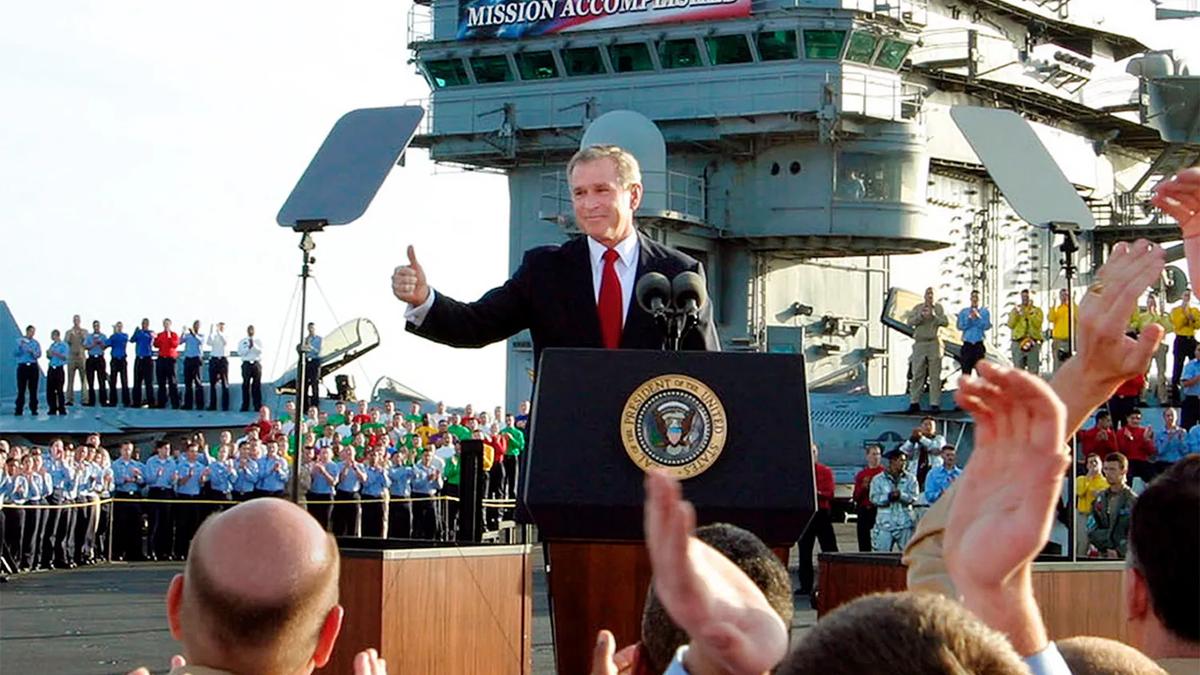
The United States has been engaged in a series of wars over the past few decades, with a dismal record of success. From the Korean War to the current conflict with Iran, the country has consistently failed to achieve its objectives, despite its overwhelming military superiority. This raises a fundamental question: why does the United States keep losing wars?
The root of the problem lies in the power mechanics of U.S. foreign policy. The country's vast military capabilities and economic resources create a sense of invincibility, leading policymakers to intervene in conflicts that are not vital to U.S. interests. This is often driven by a desire to reshape foreign societies in the U.S. image, rather than focusing on core strategic objectives. As a result, the United States frequently finds itself fighting wars of choice, where the opponent is more highly resolved and willing to make sacrifices.
The human cost of these conflicts is staggering. In Vietnam, the United States faced fierce nationalism and a determined enemy, leading to a prolonged and bloody war that ultimately ended in defeat. In Afghanistan, the U.S. intervention triggered a powerful insurgency, fueled by opposition to foreign domination and aided by neighboring countries. The war in Iraq was another debacle, with the United States toppling a contained dictator only to face a costly and deadly insurgency. In each of these conflicts, the local population bore the brunt of the violence, with millions displaced, injured, or killed.
What is often downplayed or omitted from official statements is the fact that the United States is frequently fighting the wrong wars for the wrong objectives. The country's power and technological superiority create a sense of hubris, leading policymakers to believe that they can achieve quick and easy victories. However, this ignores the fundamental dynamics of asymmetric conflict, where the weaker side can win by not losing and waiting for the stronger power to tire. The United States' failure to recognize this reality has led to a series of costly and futile interventions, with the local population paying the price.
As the United States continues to navigate its current conflicts, it is essential to watch for signs that the country is learning from its past mistakes. Will policymakers begin to prioritize vital interests over strategic objectives, and focus on achievable goals rather than trying to reshape foreign societies? Or will the United States continue to fight wars that it cannot win, at immense cost to the local population and its own reputation? The answer will depend on the ability of U.S. leaders to recognize the power mechanics that drive their foreign policy, and to adapt to the changing dynamics of the global landscape.
Editor's Note: The analysis is based on historical trends and patterns in U.S. foreign policy, but the future is inherently uncertain and subject to change.
Source referenced: FOREIGNPOLICY
This brief was synthesized by our Editorial Engine and reviewed by The Ground Narrative team.


