TRENDING

Thursday, 15 October 2026
----------------------
4 Jumada Al-Awwal 1448 AH
The recent U.S.-Iran agreement has been marred by a lack of understanding and care for the details, leading to a flawed text that has sparked a new wave of tensions in the region.
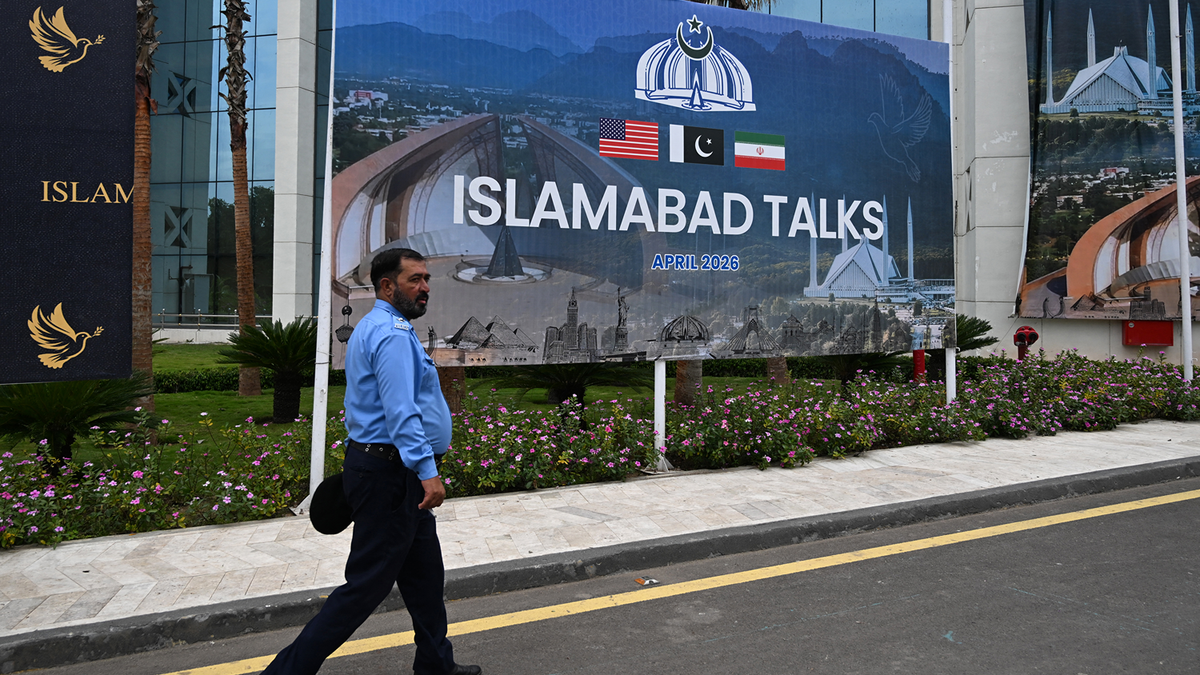
The recent U.S.-Iran agreement has been marred by a lack of understanding and care for the details, leading to a flawed text that has sparked a new wave of tensions in the region.
When it comes to peace and cease-fire agreements, details matter. This applies to any international agreement, but when armed conflict is involved, the lack of trust or goodwill between the parties allows for almost no room for error or imprecision. The signed text of an agreement is the only way to establish exactly what the parties actually agreed to.
The U.S.-Iran agreement is a deeply flawed text that has been criticized for its vagueness, ambiguity, and lack of clarity. The agreement is very short, running just over two pages, and lacks crucial elements such as monitoring and dispute resolution mechanisms. The language used in the agreement is often opaque, making it difficult to understand the intentions of the signatories.
Iran's leadership appears to have genuinely believed that it had held up its end of the bargain, and that the United States had ignored significant elements of the agreement. This perception is based on the specific provisions of the agreement, including the requirement that Iran make arrangements for the safe passage of commercial vessels, and the prohibition on the use of force against each other.
The United States appears to have made specific efforts to deny Iran managerial control over the strait, including advising commercial ships to use a non-Iranian-approved transit corridor and maintaining OFAC sanctions against the PGSA. These measures have been seen as a violation of the agreement by Iran, and have contributed to the escalation of tensions in the region.
The U.S.-Iran agreement has sparked a new wave of tensions in the region, with both sides engaging in standoff attacks and exchanging accusations of bad faith. The agreement's flaws have created a power vacuum that has been exploited by both sides, leading to a destabilization of the entire region.
The consequences of the U.S.-Iran agreement will be far-reaching, with the potential to destabilize the entire region and create a new wave of tensions in the Middle East. The agreement's flaws have created a recipe for regional instability, and it remains to be seen how the situation will unfold in the coming weeks and months.
The U.S.-Iran agreement has been a disaster, with a flawed text that has sparked a new wave of tensions in the region. The importance of details in peacemaking has been highlighted by this agreement, and it is clear that the lack of understanding and care for the details has led to a destabilization of the entire region. The consequences of this agreement will be far-reaching, and it remains to be seen how the situation will unfold in the coming weeks and months.
Editor's Note: The analysis is based on the publicly available information and may not reflect the full complexity of the situation.
Source referenced: FOREIGNPOLICY
This brief was synthesized by our Editorial Engine and reviewed by The Ground Narrative team.