TRENDING

Thursday, 15 October 2026
----------------------
4 Jumada Al-Awwal 1448 AH
The recent US-Iran strikes have sparked concerns about the potential impact on the ongoing negotiations to end the war. We analyze the strategic motivations, historical context, and regional implications of this escalation.
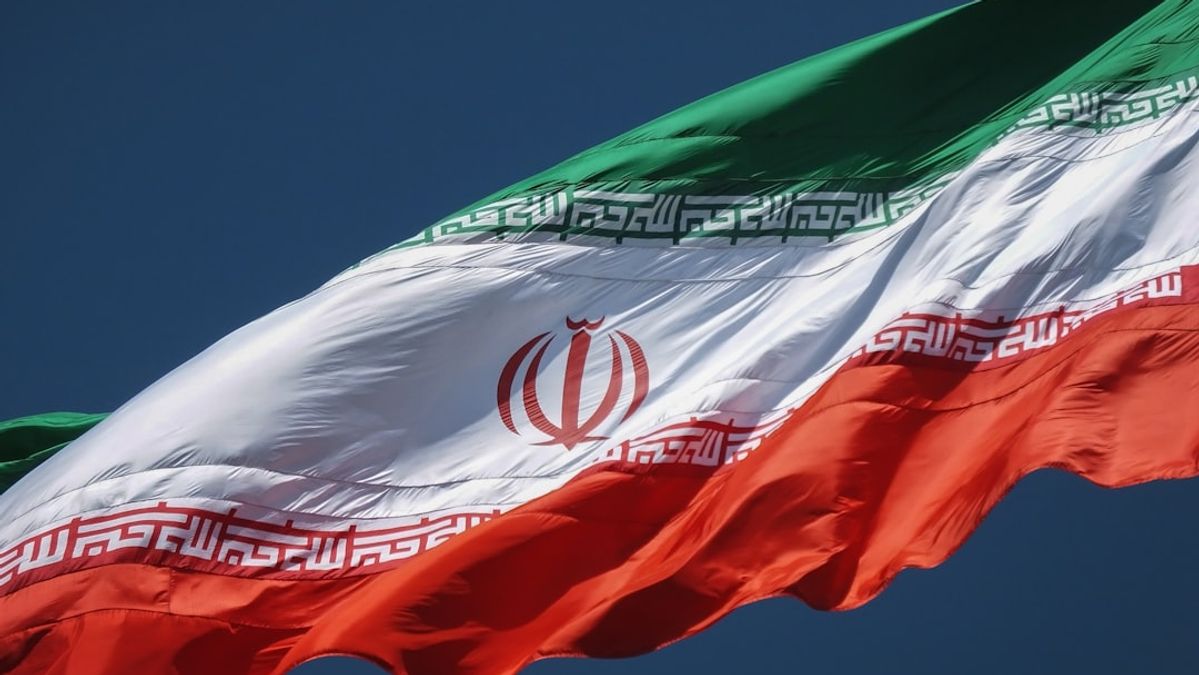
The recent US-Iran strikes have sent shockwaves across the Middle East, raising concerns about the potential impact on the ongoing negotiations to end the war. The strikes, which were carried out in response to a reported Iranian drone attack on a US military base in Iraq, have sparked a new cycle of escalation in the region.
The US-Iran conflict has its roots in the 1979 Iranian Revolution, which led to the establishment of an Islamic republic and the overthrow of the US-backed Shah regime. Since then, the two countries have been engaged in a decades-long struggle for influence in the region, with the US seeking to contain Iranian expansion and Iran seeking to assert its independence.
The recent US-Iran strikes can be seen as a response to Iran's growing assertiveness in the region, particularly in Iraq and Syria. Iran's military presence in these countries has been a major concern for the US, which has sought to counter Iranian influence through a combination of military and diplomatic means.
The US strikes, in turn, can be seen as an attempt to deter Iranian aggression and maintain US influence in the region. However, the escalation has also raised concerns about the potential impact on the ongoing negotiations to end the war.
The US-Iran conflict has significant regional implications, particularly in Iraq and Syria. The conflict has created a power vacuum in these countries, which has been exploited by various actors, including Iran, the US, and other regional powers.
The recent escalation has also raised concerns about the potential impact on the fragile stability of the region. The conflict has already led to significant human suffering, displacement, and economic hardship, and any further escalation could have devastating consequences.
The future consequences of the US-Iran escalation are complex and uncertain. The conflict has the potential to escalate further, leading to a wider war in the region. Alternatively, the conflict could be contained, allowing for a return to negotiations and a potential deal to end the war.
However, the recent escalation has also raised concerns about the potential impact on the global economy and international relations. The conflict has already led to significant increases in oil prices, and any further escalation could have far-reaching consequences for the global economy.
The US-Iran escalation has significant implications for the ongoing negotiations to end the war and regional stability. The conflict has created a complex web of interests, with various actors seeking to assert their influence in the region.
The future consequences of the conflict are uncertain, but one thing is clear: the region is at a critical juncture, and any further escalation could have devastating consequences. The international community must work together to find a peaceful solution to the conflict and restore stability to the region.
Editor's Note: While the recent escalation has raised concerns about the potential impact on the ongoing negotiations to end the war, the future consequences of the conflict are complex and uncertain. Further analysis is needed to fully understand the implications of the conflict.
Source referenced: NPR
This brief was synthesized by our Editorial Engine and reviewed by The Ground Narrative team.