TRENDING

Monday, 5 October 2026
----------------------
24 Rabi' Al-Thani 1448 AH
The US has shifted its strategy towards Iran, opting for economic pressure over military strikes, but the human cost of this approach remains high. As talks over the Strait of Hormuz near a breakthrough, the impact of the economic siege on ordinary Iranians continues to worsen. The US naval blockade, in place since April, has deepened Iran's financial struggles, with high inflation and difficulty paying troops.
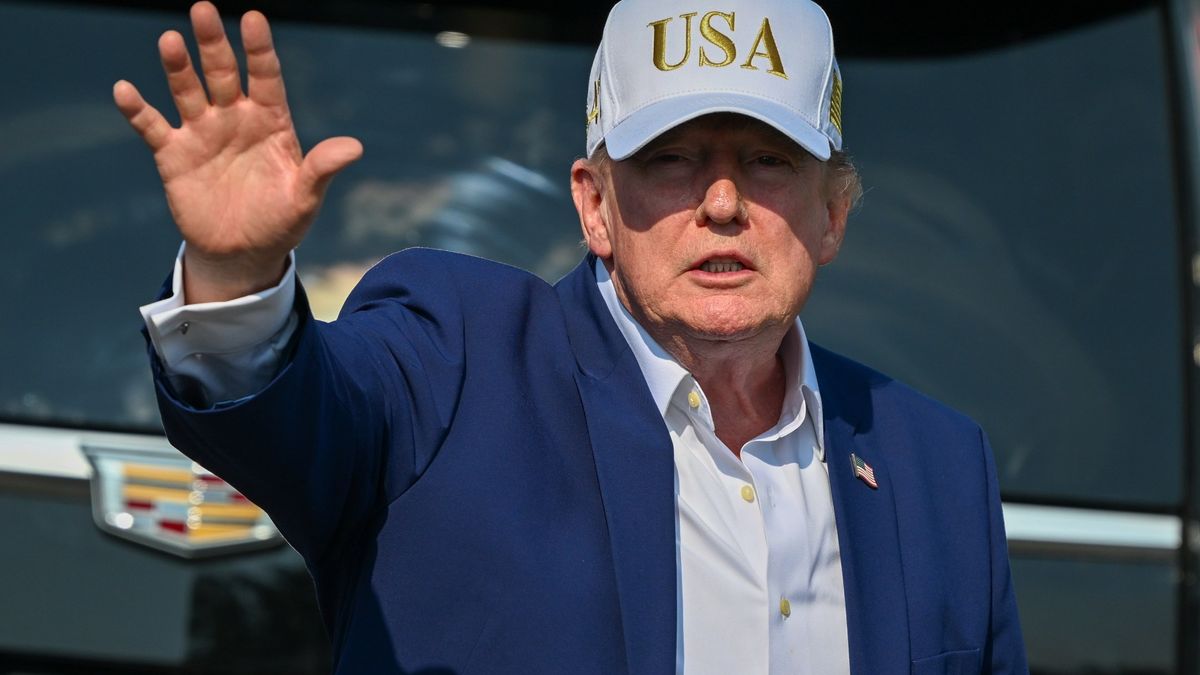
The United States has signaled a shift in its approach towards Iran, moving away from military strikes and towards economic pressure. In a recent interview, President Donald Trump stated that the US is relying on economic pressure to push Iran towards making a deal, citing the country's poor financial shape and the impact of the US naval blockade.
The US strategy is driven by a desire to avoid further military escalation, while still exerting significant pressure on Iran. The economic siege has been effective in weakening Iran's economy, with high inflation and difficulty paying troops. However, this approach also has significant human costs, with ordinary Iranians bearing the brunt of the economic pressure. The US naval blockade, in place since April, has further deepened Iran's financial struggles.
The economic siege of Iran has had a devastating impact on ordinary Iranians. The high inflation and difficulty paying troops have resulted in significant hardship for many families. The US naval blockade has also limited Iran's ability to export oil, further exacerbating the country's economic struggles. The human cost of this approach is often overlooked, with the focus on geopolitical maneuvering and strategic interests.
Despite the US claims of a more cautious approach, the economic siege of Iran is a deliberate strategy aimed at weakening the country's economy and forcing it to negotiate. The US is downplaying the human cost of this approach, with the focus on the geopolitical implications and strategic interests. The talks over the Strait of Hormuz, mediated by Oman, are nearing a breakthrough, but the US is unlikely to lift the naval blockade or halt military actions without significant concessions from Iran.
As the talks over the Strait of Hormuz near a breakthrough, the US approach towards Iran will be closely watched. The economic siege is likely to continue, with significant human costs for ordinary Iranians. The US will need to balance its strategic interests with the need to avoid further military escalation, while also addressing the humanitarian concerns. The outcome of the talks will have significant implications for the region, with the potential for a new shipping route through the strait and a reduction in tensions between the US and Iran.
Editor's Note: The analysis is based on publicly available information and may not reflect the full complexity of the situation.
Source referenced: ALJAZEERA
This brief was synthesized by our Editorial Engine and reviewed by The Ground Narrative team.


