TRENDING

Monday, 5 October 2026
----------------------
24 Rabi' Al-Thani 1448 AH
The US has imposed tariffs of up to 100% on imported drones, citing national security concerns and a need to reduce reliance on foreign suppliers. This move has significant implications for global trade and the future of drone technology. As the US seeks to protect its domestic drone industry, other countries are likely to retaliate, sparking a potential trade war.
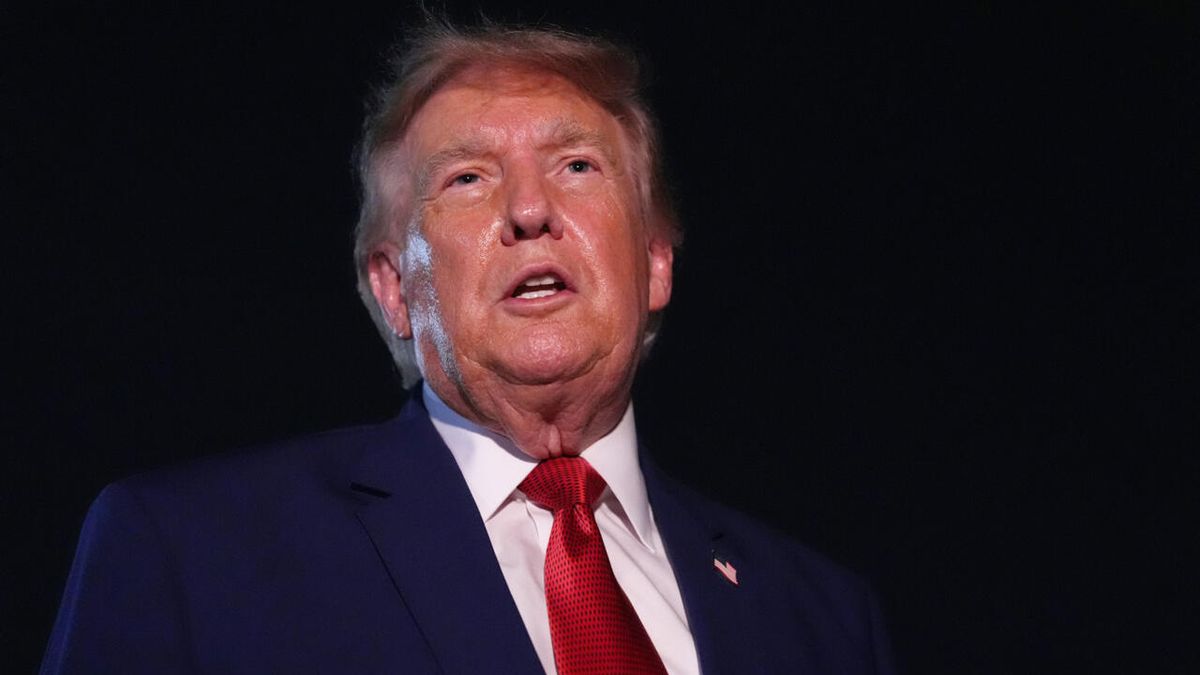
The Trump administration has announced tariffs of up to 100% on imported drones and components, effective in 21 days. This move is part of a broader effort to reduce US reliance on foreign suppliers and protect national security. The tariffs will apply to drones of a certain size or with specific capabilities, with varying rates for different countries.
The imposition of tariffs on imported drones is a strategic move by the US to assert its dominance in the global drone market. By protecting its domestic industry, the US aims to reduce its reliance on foreign suppliers, particularly from countries like China, which has become a major player in the drone market. This move is also driven by national security concerns, as the US seeks to prevent the transfer of sensitive technology to potential adversaries. The use of tariffs as a tool of economic statecraft is a key aspect of the US's trade policy, allowing it to exert pressure on other countries to comply with its demands.
The impact of these tariffs will be felt by consumers and businesses alike. The increased cost of imported drones will likely be passed on to customers, making them more expensive and potentially pricing out smaller businesses and individuals. This could also lead to job losses in industries that rely on drones, such as agriculture, construction, and film production. Furthermore, the tariffs may also affect the development of drone technology, as companies may be less likely to invest in research and development if they are unable to import components and drones at competitive prices.
What the US administration is downplaying is the potential for retaliation from other countries. The imposition of tariffs on imported drones may spark a trade war, with other countries imposing their own tariffs on US goods. This could have far-reaching consequences for global trade and the economy. Additionally, the US's reliance on foreign suppliers for drone components may be more significant than acknowledged, and the tariffs may not be enough to stimulate domestic production to meet demand. The US may also be underestimating the ability of other countries to develop their own drone industries, potentially reducing their reliance on US technology.
As the tariffs take effect, readers should watch for signs of retaliation from other countries, particularly China, which has been a major target of US trade policy. The development of domestic drone industries in other countries, such as the EU and Japan, will also be crucial to monitor. Furthermore, the impact of the tariffs on the US drone industry and the broader economy will be important to track, as will any potential exemptions or waivers granted to certain companies or countries. The US's ability to balance its national security concerns with the need to promote innovation and competition in the drone market will be a key challenge in the coming months.
Editor's Note: The analysis is based on publicly available information and may not reflect the full complexity of the situation.
Source referenced: FRANCE24
This brief was synthesized by our Editorial Engine and reviewed by The Ground Narrative team.


