TRENDING

Monday, 5 October 2026
----------------------
24 Rabi' Al-Thani 1448 AH
The US has banned imports of foreign-made humanoid robots, citing national security concerns, as part of a broader effort to protect US industry and limit China's technological rise. This move is set to have significant implications for the global tech landscape.
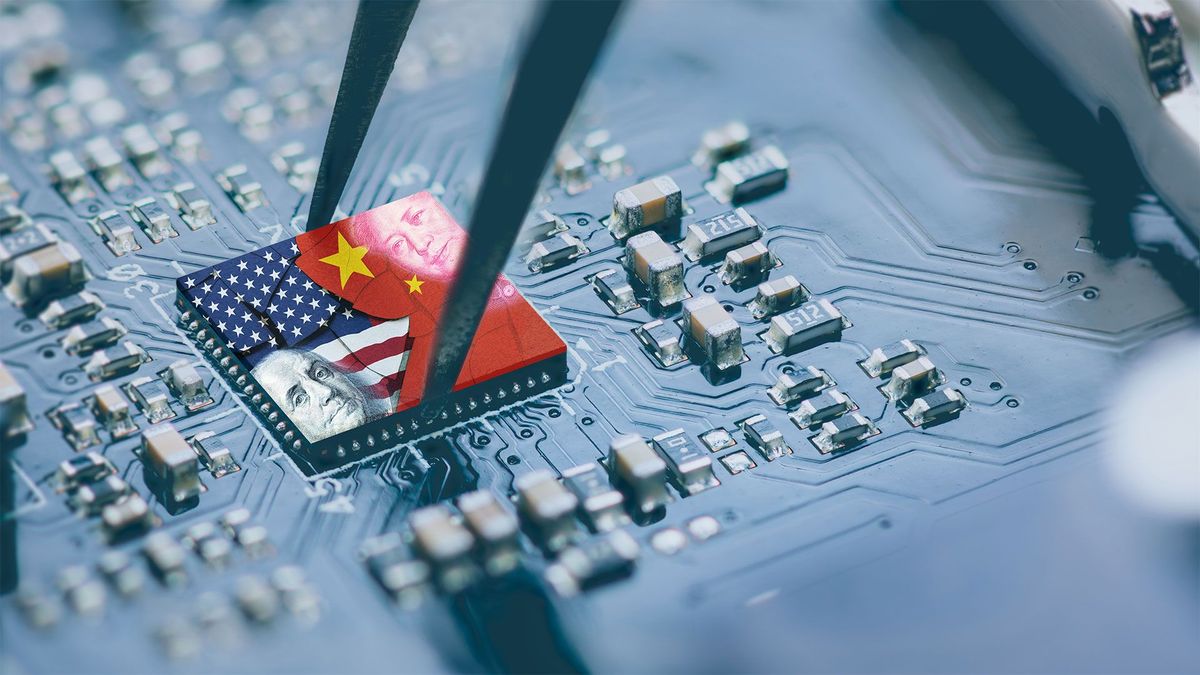
The United States has imposed a ban on the import of foreign-made humanoid robots, a move that is widely seen as an attempt to slow down China's rapid rise in the tech and robotics sector. This decision is part of a larger strategy by the US to protect its domestic industry and limit China's growing influence in the global tech market. The ban also extends to power inverters used in data centers and solar energy systems, further escalating the tech rivalry between the two superpowers.
At the heart of this rivalry is the issue of economic and technological supremacy. China has emerged as a major player in the global tech market, with its companies producing robot components at a scale and price that its competitors struggle to match. The US, on the other hand, is keen to protect its domestic industry and maintain its position as a leader in the tech sector. The ban on foreign-made robots is a clear indication of the US's willingness to use protectionist measures to achieve its goals. The US-China tech rivalry is not just about economics; it's also about geopolitical influence and national security.
The people who will be most affected by this ban are the workers in the tech and manufacturing sectors, both in the US and China. The ban could lead to job losses in China, as companies that rely on exports to the US are forced to scale back their operations. In the US, the ban could lead to higher prices for consumers, as domestic companies may not be able to produce robots and other tech products at the same scale and price as their Chinese competitors. The human cost of this tech war will be felt by ordinary people, who will have to pay more for products and may lose their jobs as a result of the trade tensions.
What is not being talked about in the media is the fact that the US ban on foreign-made robots is not just about protecting national security; it's also about protecting the interests of US corporations. The ban will give US companies a competitive advantage in the domestic market, allowing them to increase their market share and profits. The US government is using the national security card to justify protectionist measures that will benefit US corporations at the expense of Chinese companies. The other untold story is the impact of this ban on the global tech supply chain. The ban could lead to a shortage of robot components and other tech products, which could have a ripple effect on the global economy.
In the coming months, readers should watch for how China responds to the US ban. Will China retaliate by imposing its own tariffs on US tech products? How will the ban affect the global tech market, and will it lead to a shortage of robot components and other tech products? The US-China tech war is far from over, and the next few months will be crucial in determining the future of the global tech landscape.
Editor's Note: The analysis is based on publicly available information and may not reflect the full complexity of the situation.
Source referenced: ALJAZEERA
This brief was synthesized by our Editorial Engine and reviewed by The Ground Narrative team.