TRENDING

Thursday, 5 November 2026
----------------------
25 Jumada Al-Awwal 1448 AH
The 35‑year‑old UN mission in Western Sahara has ended after a Security Council deadlock, leaving a fragile cease‑fire without monitors. The withdrawal opens a power vacuum that could reshape the dispute between Morocco and the Polisario Front while deepening the humanitarian crisis for displaced Sahrawis.
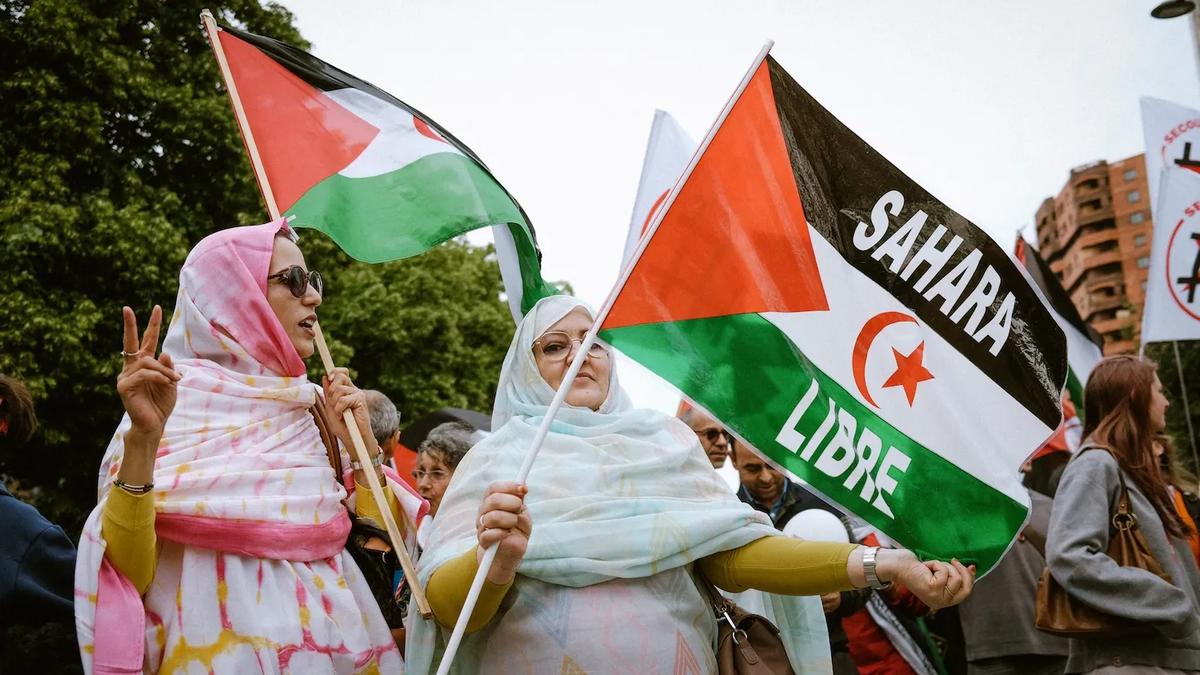
The United Nations Security Council failed to agree on a renewal of the MINURSO mission, allowing its mandate to expire on 4 November 2026. The deadlock pitted a U.S. draft that would replace the word “referendum” with “semi‑autonomy” against a Russian‑backed one‑year extension, both of which were rejected. With the mission’s troops and equipment now being handed back to contributing nations, the cease‑fire that has held since 1991 is left without on‑the‑ground monitors.
Washington’s push to re‑brand the mission reflected a broader realignment that began in 2020 when the United States recognized Morocco’s sovereignty in exchange for Rabat normalising ties with Israel. By removing “referendum” from the mandate, the U.S. aims to cement a diplomatic win, limit the Polisario Front’s leverage, and signal to allies that it can deliver concrete outcomes in a stalled conflict.
Russia vetoed the U.S. text not out of principled support for Sahrawi self‑determination but to protect its strategic partnership with Algeria, the main backer of the Polisario Front. Maintaining a bargaining chip in North‑West Africa helps Moscow preserve influence over Algeria’s military procurement and its access to the Mediterranean.
For Morocco, the UN exit removes an international presence that has long constrained its ability to expand control beyond the 80 % it already administers. The country can now redeploy troops, accelerate resource extraction—especially phosphate mining and offshore fishing—and solidify its claim without the diplomatic cost of a UN‑monitored cease‑fire.
Algeria views the withdrawal as a direct threat to the Polisario Front and to its own regional standing. By keeping the Sahrawi cause alive, Algeria can justify its military presence along the border, claim moral leadership in anti‑colonial struggles, and leverage the dispute in negotiations over energy pipelines and trade routes.
More than 160 000 Sahrawi refugees live in camps near Tindouf, Algeria, dependent on UN agencies for food, water, and medical supplies. The UN’s departure means fewer eyes on the distribution chain, raising the risk of shortages, mismanagement, and increased vulnerability to disease outbreaks.
Moroccan settlers in the occupied zones benefit from state‑driven development projects, yet the looming security vacuum could spark clashes that disrupt fishing fleets and phosphate exports—sectors that provide jobs for both Moroccans and Sahrawis. Any renewed fighting would likely halt cross‑border trade, inflating prices for basic goods in the camps.
A breakdown in monitoring could embolden hard‑liners on both sides to test the limits of the cease‑fire. Small‑scale skirmishes risk escalating into larger confrontations, endangering civilians living along the berm and threatening the already fragile peace that has prevented full‑scale war for three decades.
Official statements celebrate a “step forward” toward autonomy, yet they gloss over the 1975 International Court of Justice ruling that found Morocco’s claim historically baseless. By reframing the dispute as a bilateral issue, Washington sidesteps its own role in legitimising the annexation.
Moscow highlights its diplomatic support for the Polisario Front, but rarely mentions the lucrative phosphate deposits and Atlantic fishing grounds that lie beneath the contested land. By keeping the focus on political rhetoric, Russia avoids confronting the economic incentives that drive Moroccan expansion.
Rabat’s media touts the UN exit as a triumph of sovereignty, yet it downplays the financial burden of deploying additional troops and the potential international sanctions that could follow renewed hostilities. The narrative also obscures the human rights abuses reported in the occupied zones.
Algeria frames its support for the Sahrawi cause as solidarity, while domestically it grapples with economic stagnation and public unrest. The government leverages the Western Sahara issue to distract from internal dissent, a point rarely acknowledged in diplomatic briefings.
- UN diplomatic activity: Any new resolution or special envoy appointment will signal whether the international community intends to re‑engage or accept a de‑facto Moroccan control.
- Moroccan troop movements: Satellite imagery showing increased military presence near the berm could foreshadow an attempt to seize the remaining 20 % of the territory.
- Algerian‑Polisario coordination: Joint statements or logistical support shipments to the Tindouf camps will indicate the strength of the resistance.
- Resource contracts: New licences for phosphate mining or offshore fishing granted to Moroccan firms may reveal how economic interests are shaping the post‑UN landscape.
- Regional elections: Outcomes of upcoming elections in South Africa and other African states could shift the balance of support within the African Union, influencing future mediation efforts.
Monitoring these indicators will help observers gauge whether the vacuum left by MINURSO becomes a pathway to negotiated autonomy or a flashpoint for renewed conflict.
A deadlock at the UN Security Council between a U.S. draft that would replace “referendum” with “semi‑autonomy” and a Russian‑backed one‑year extension prevented renewal, leading to the mission’s mandate expiring on 4 November 2026.
Morocco is likely to increase its military presence and accelerate resource projects, while the Polisario Front, backed by Algeria, may seek to mobilise resistance and appeal for renewed international mediation.
Source referenced: FOREIGNPOLICY
This brief was synthesized by our Editorial Engine and reviewed by The Ground Narrative team.


