TRENDING

Wednesday, 4 November 2026
----------------------
24 Jumada Al-Awwal 1448 AH
Vietnam is rapidly emerging as a critical hub for global electronics manufacturing, with exports surging by nearly 50% in a single year. This economic transformation is reshaping international supply chains and drawing significant foreign investment.
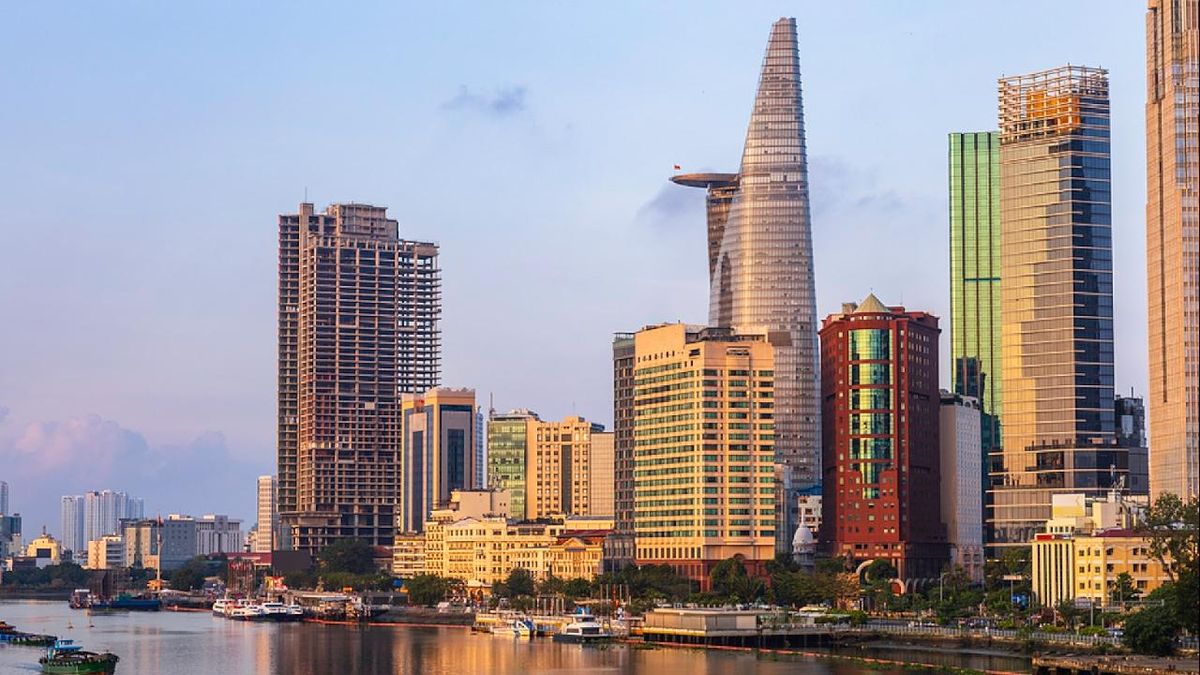
Vietnam has solidified its position as a burgeoning powerhouse in the global electronics market, demonstrating an extraordinary surge in manufacturing and export capabilities. In 2025, the nation's exports of electronics, computers, and components reached an impressive $107.7 billion, marking a substantial 48.4% increase from the previous year. This rapid expansion signifies Vietnam's growing role in producing a wide array of electronic goods, from high-end smartphones to intricate semiconductor parts, positioning it as a key player in the intricate web of international supply chains.
Vietnam's meteoric rise in electronics manufacturing is not an accident but a direct consequence of shifting global power dynamics and deliberate strategic choices. The primary driver is the widespread corporate strategy known as "China Plus One," where multinational corporations, predominantly from the United States, Europe, Japan, and South Korea, seek to diversify their manufacturing bases beyond China. This move is largely a response to escalating trade tensions, rising labor costs in China, and the geopolitical imperative to de-risk supply chains, particularly after the disruptions caused by the COVID-19 pandemic and ongoing geopolitical rivalries.
Vietnam offers a compelling alternative. Its relatively low labor costs, a young and increasingly skilled workforce, and a stable, albeit authoritarian, political environment under the Communist Party of Vietnam provide a predictable operational landscape for foreign investors. The government has aggressively pursued foreign direct investment (FDI) through attractive incentives, including tax breaks, streamlined bureaucratic processes, and significant investments in infrastructure, such as ports, highways, and industrial parks. Companies like Samsung, Intel, Foxconn, and LG have poured billions into the country, establishing massive production facilities that now churn out a significant portion of the world's consumer electronics.
This economic integration grants Vietnam considerable geopolitical leverage. By becoming indispensable to global supply chains, Hanoi enhances its diplomatic standing, allowing it to navigate complex relationships with major powers. It maintains robust economic ties with China, its northern neighbor and a crucial trade partner, while simultaneously deepening strategic and economic partnerships with the United States and its allies. This balancing act is particularly critical given the ongoing tensions in the South China Sea, where Vietnam is a claimant state directly challenging Beijing's expansive territorial claims. Economic interdependence with Western powers provides a subtle, yet potent, counterweight to China's regional assertiveness, without overtly antagonizing its powerful neighbor.
For the Communist Party of Vietnam, economic development and integration into the global economy are paramount for maintaining legitimacy and ensuring national stability. The shift from an agrarian economy to an industrial one is a long-term strategic goal, aiming to lift living standards and secure Vietnam's place on the world stage. This focus on growth has meant prioritizing foreign investment and export-oriented manufacturing, even if it entails certain trade-offs in terms of labor rights or environmental protection in the short term. The party's centralized control allows for swift decision-making and implementation of policies favorable to business, a factor often cited by investors as a key advantage over more democratic, but sometimes slower, regional competitors like Indonesia or the Philippines.
Vietnam's ascent also creates a ripple effect across Southeast Asia. It intensifies competition among ASEAN nations for foreign investment, pushing countries like Thailand, Malaysia, and Indonesia to further enhance their own attractiveness through similar incentive packages and infrastructure upgrades. While this competition can be fierce, it also fosters a broader regional trend towards greater industrialization and integration into global manufacturing networks, potentially raising the overall economic profile of the bloc.
While Vietnam's economic boom has generated impressive national statistics, the human cost of rapid industrialization is often borne by its ordinary citizens, particularly the millions who fuel its factories.
The promise of employment in modern factories draws vast numbers of young people from rural areas to industrial zones. These workers, often migrating far from their families, face long working hours, sometimes exceeding official limits, and relatively low wages that, while better than agricultural incomes, often barely cover the cost of living in rapidly urbanizing areas. The pressure to meet demanding production quotas can lead to stressful working conditions. While Vietnam has labor laws, enforcement can be inconsistent, and the right to form independent unions is restricted, limiting workers' ability to collectively bargain for better conditions or wages. This dynamic ensures a competitive labor cost advantage for foreign investors but often leaves the individual worker with limited power.
The rapid expansion of industrial zones and manufacturing plants places immense strain on Vietnam's natural environment. Electronics manufacturing, in particular, is resource-intensive and can generate significant amounts of hazardous waste, including heavy metals and toxic chemicals. Proper waste management and pollution control infrastructure often struggle to keep pace with the speed of industrial growth. Air and water pollution in and around industrial hubs pose direct health risks to local communities and workers, affecting agricultural land and fishing grounds, which are vital for the livelihoods of those not directly employed in factories. The long-term environmental degradation could undermine the very resources that sustain a significant portion of the population.
Mass rural-urban migration, while providing labor for factories, also leads to significant social dislocation. Traditional family structures are strained, and urban areas grapple with providing adequate housing, sanitation, and social services for a rapidly expanding population. The benefits of the electronics boom are not evenly distributed. While some urban centers and skilled workers thrive, many rural areas are left behind, and the gap between the wealthy elite and the working class can widen. This growing inequality can sow seeds of social discontent, even in a politically stable environment.
Behind the headlines of Vietnam's economic miracle and its strategic positioning, several crucial narratives are often downplayed or omitted by powerful actors, from national governments to multinational corporations.
The narrative promoted by Western powers often frames the shift to Vietnam as a
Source referenced: CGTN
This brief was synthesized by our Editorial Engine and reviewed by The Ground Narrative team.