TRENDING

Wednesday, 4 November 2026
----------------------
24 Jumada Al-Awwal 1448 AH
Citizens from Indonesia and other Southeast Asian nations are being lured by false promises into fighting for Russia in Ukraine, often with fatal consequences. This shadowy recruitment exposes the vulnerability of migrant workers and the limits of regional diplomatic power.
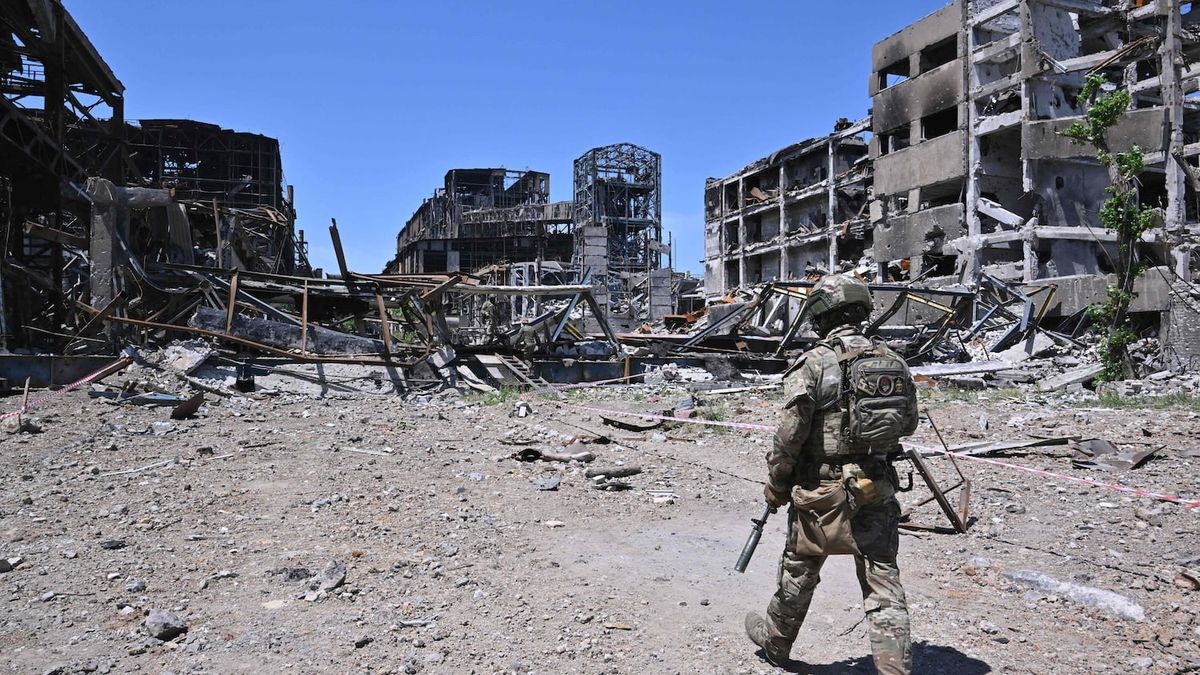
Citizens from Indonesia and other Southeast Asian countries are increasingly being recruited, often through deceptive means, to fight for the Russian military in Ukraine. Reports confirm deaths, disappearances, and serious injuries among these recruits, who are frequently lured by promises of legitimate blue-collar work in Russia only to find themselves on the front lines with minimal training. The Indonesian government has formally requested Russia to cease these recruitment efforts, while authorities investigate dozens of cases involving their citizens. This phenomenon highlights a disturbing trend of exploiting economic vulnerabilities to fuel a distant conflict.
The recruitment of Southeast Asian nationals into the Russian military is a stark illustration of how the demand for manpower in a protracted conflict intersects with global economic disparities and the exploitation of vulnerable populations. At its core, this is a story of Russia's strategic necessity and the economic desperation of individuals caught in a global power struggle.
Russia, facing sustained casualties and the political cost of further domestic mobilization, has increasingly turned to foreign fighters. While the Kremlin publicly frames its military operations as a national effort, the reality on the ground demands a constant influx of personnel. Recruiting from countries like Indonesia, the Philippines, and Vietnam offers a solution: a supply of individuals who are often economically vulnerable, less likely to attract international scrutiny compared to Western mercenaries, and potentially more expendable in the eyes of the recruiting power. This strategy allows Russia to maintain its fighting force without exacerbating internal dissent or drawing heavily from its own demographically challenged population.
The methods employed by Russian recruiters, often leveraging social media, mirror those used by organized crime in scam centers. They exploit the aspirations of migrant workers seeking better economic opportunities abroad. Promises of well-paying jobs in construction, manufacturing, or other industries in Russia are dangled, only to be replaced by military contracts and deployment to the front lines. The power dynamic here is heavily skewed: the recruiters hold the promise of a better life, while the recruits, often lacking alternative options or fluency in Russian, are in a position of extreme vulnerability. Once in Russia, they are often pressured or coerced into signing military contracts, sometimes under duress or through misrepresentation of terms.
For Southeast Asian governments, the situation presents a complex diplomatic challenge. While Indonesia has taken the step of formally requesting Russia to halt recruitment, its leverage is limited. Russia has actively sought to cultivate diplomatic and economic ties with ASEAN nations following its invasion of Ukraine, viewing them as important partners in a multipolar world order. Pushing too hard on the recruitment issue risks straining these relationships. ASEAN's traditional principle of non-interference in the internal affairs of member states, and its general reluctance to take strong collective stances on external conflicts, further complicates a unified, robust regional response. This allows Russia to operate in a grey area, exploiting individual vulnerabilities without facing significant state-level repercussions from the region.
Furthermore, the power of the state to strip citizenship from individuals fighting for foreign militaries, as seen with former Indonesian service members, serves as both a deterrent and a punitive measure. While intended to uphold national loyalty, it also effectively severs ties with those who find themselves in a foreign conflict, leaving them in an even more precarious legal and humanitarian limbo.
The most profound impact of this shadowy recruitment falls squarely on the individuals lured into Russia's war machine and their families. These are not professional soldiers seeking adventure or ideological alignment; they are often ordinary citizens, like the Jakarta taxi driver Taufiq Muhammad, seeking economic betterment. Their journey from the promise of a stable job to the brutal reality of the Ukrainian front lines is a tragic testament to the human cost of global power dynamics.
For those who die in Ukraine, the cost is absolute. Families lose a son, a father, a breadwinner, often without proper notification or the ability to repatriate remains. The brief training periods—sometimes as short as a week and a half—before deployment underscore the expendable nature of these recruits. They are thrown into a high-intensity conflict zone, ill-prepared and often poorly equipped, becoming statistics in a war far from their homes. Beyond fatalities, many will suffer life-altering injuries, psychological trauma, or disappear into the fog of war, leaving their families in agonizing uncertainty.
Back home, families face immense emotional and financial hardship. Many recruits are primary providers, and their sudden absence or death leaves dependents without income. The process of confirming a loved one's fate, navigating foreign bureaucracies, and seeking assistance is often insurmountable for families with limited resources and linguistic capabilities. The diplomatic channels are often slow and ineffective, leaving families feeling abandoned by their own governments and powerless against the forces that took their relatives.
The revocation of citizenship for those confirmed to be fighting for a foreign military adds another layer of human cost. While legally justifiable under national laws, it strips individuals of their fundamental identity and rights, effectively disowning them. This leaves them in a legal no-man's-land, unable to seek protection from their home country and further vulnerable to exploitation or indefinite detention if captured. For their families, it can carry a social stigma, adding to their grief and isolation.
This situation exposes a systemic vulnerability within global migrant labor systems. Individuals seeking work abroad are often desperate, trusting, and susceptible to deceptive practices. The lure of higher wages, even if exaggerated, can override caution, especially when domestic economic opportunities are scarce. This incident serves as a grim warning about how easily these vulnerabilities can be weaponized by state and non-state actors in times of conflict, turning economic migrants into unwitting combatants.
What governments and official statements often downplay or omit in this unfolding crisis is the calculated, systemic nature of Russia's recruitment tactics and the deeper implications for international labor migration and regional stability.
Official Russian statements are unlikely to acknowledge a deliberate policy of deceptive recruitment. Instead, they might frame foreign fighters as volunteers or individuals making personal choices. The untold story is that this is not an accidental byproduct of war but a sophisticated, covert operation. By mimicking the tactics of online scam centers – using social media, false promises, and leveraging economic desperation – Russia has developed a template for acquiring cheap, expendable manpower from regions far removed from the conflict. This strategy allows Russia to bypass traditional military recruitment channels and avoid the diplomatic fallout that would accompany overt state-sponsored recruitment in these nations.
While Southeast Asian recruits represent a
Source referenced: FOREIGNPOLICY
This brief was synthesized by our Editorial Engine and reviewed by The Ground Narrative team.


