TRENDING

Wednesday, 4 November 2026
----------------------
24 Jumada Al-Awwal 1448 AH
Democrat Amy Acton, a former health official, defeated Republican Vivek Ramaswamy in Ohio's 2026 governor race, a contest marked by unprecedented spending and personal attacks. The win reshapes state politics while exposing deep financial and social fault lines.
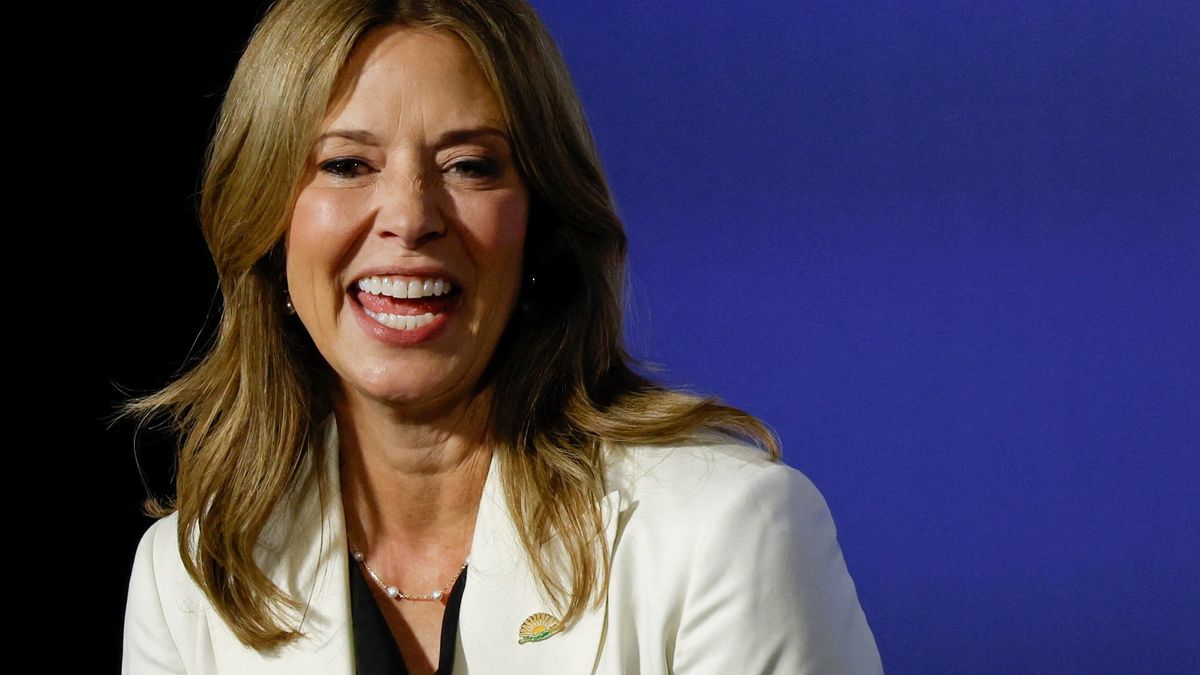
Democrat Amy Acton won Ohio’s governorship on November 3, 2026, defeating Republican Vivek Ramaswamy in a race that drew national attention. Acton, a physician who served as the top health official under outgoing Republican Governor Mike DeWine, became the first Democratic governor of the state since 2006 and the first woman ever to hold the office. The campaign set a new spending record, with total expenditures topping $100 million, and featured a controversial television ad that aired in the final weeks, accusing Acton of personal deception.
- Party realignment and voter fatigue: Ohio has trended Republican for two decades, but growing suburban discontent and a backlash against aggressive cultural messaging created openings for a centrist Democrat with health‑care credentials. Acton’s reputation as a pandemic‑era health official gave her a veneer of competence that appealed to swing voters wary of partisan extremes.
- Money as a decisive lever: The $100 million price tag dwarfed previous gubernatorial contests. A coalition of national Democratic donors, labor unions, and health‑industry PACs funneled cash into Acton’s media blitz, while Ramaswamy relied heavily on self‑funded advertising and support from conservative super‑PACs. The scale of spending amplified message reach, turning local debates into a national advertising war.
- Identity politics and narrative control: Ramaswamy’s campaign weaponized a personal ad featuring Acton’s estranged mother, alleging mental‑health lies. The ad’s shock value forced the race into a personal arena, diverting attention from policy. Acton’s team responded by highlighting her traumatic childhood, reframing the narrative around resilience rather than scandal.
- Institutional inertia and incumbent advantage: Although DeWine was a Republican, his endorsement of Acton signaled a pragmatic shift, allowing her to inherit the governor’s office’s bureaucratic machinery. This cross‑party endorsement softened the usual partisan divide and gave Acton access to state resources for voter outreach.
- Media ecosystem and algorithmic amplification: Both campaigns leveraged social‑media platforms, but Acton’s digital strategy combined targeted micro‑targeting with community‑level organizing, while Ramaswamy’s approach leaned on viral, high‑budget TV spots. The algorithmic boost of emotionally charged content amplified the personal ad’s reach, forcing a rapid response from Acton’s camp.
- Working‑class families in the Rust Belt: Ohio’s manufacturing towns, still grappling with plant closures, faced a stark choice between a candidate promising expanded health services and another pledging tax cuts for businesses. The $100 million spent on advertising crowded out resources that could have been directed toward job‑training programs or affordable health clinics.
- Healthcare workers on the front lines: Acton’s pandemic leadership earned her respect among nurses and doctors, but the intense scrutiny of her decisions also exposed them to harassment. Many reported increased online threats after the personal ad aired, illustrating how political battles spill into professional lives.
- Rural voters and broadband gaps: The flood of digital ads assumed internet access that many rural Ohioans lack. Consequently, a significant portion of the electorate received information through TV spots, which often emphasized sensationalism over policy, limiting informed decision‑making.
- Women and survivors of abuse: The campaign’s focus on Acton’s childhood trauma brought the issue of family violence into public view, yet it also risked retraumatizing survivors who saw their personal histories weaponized for political gain.
While both campaigns touted grassroots support, a deeper audit reveals that a handful of billionaire donors contributed over $30 million to Acton’s side, primarily through dark‑money channels that obscure the source of funds. These contributions came from tech and pharmaceutical executives with vested interests in Ohio’s regulatory environment.
Acton’s background in public health aligns with the interests of large hospital systems seeking favorable Medicaid expansions. The campaign’s messaging downplayed the potential for increased state spending on health infrastructure, framing it instead as a moral imperative.
Ramaswamy’s decision to air the ad was framed as a “truth‑telling” move, yet the ad’s production was financed by a conservative super‑PAC that has historically funded anti‑abortion and anti‑LGBTQ legislation. The broader agenda behind the ad—shifting cultural battles onto the gubernatorial stage—remains largely unaddressed in post‑election analysis.
Ohio’s local newspapers, already operating on shrinking budgets, were unable to provide in‑depth investigative coverage of the campaign finance flows. National outlets covered the headline race, but the granular details of who paid for which ad, and why, received minimal scrutiny, leaving voters with an incomplete picture.
- Legislative agenda in Acton’s first 100 days: Expect a push for Medicaid expansion, mental‑health services, and a bipartisan infrastructure plan. Watch how quickly she can translate campaign promises into budgetary allocations amid a Republican‑controlled state legislature.
- Fundraising patterns for the 2028 cycle: The $100 million benchmark may become the new normal for state races, prompting calls for campaign‑finance reform. Monitor any legislative attempts to tighten disclosure rules.
- Rural broadband initiatives: Acton has pledged to close the digital divide; the rollout speed and funding sources will reveal whether the promise is substantive or symbolic.
- National party strategies: Democrats may view Ohio as a bellwether for reclaiming the Midwest, while Republicans could double down on cultural messaging in future contests. The balance between policy and personality will shape upcoming midterm battles.
- Public health policy shifts: With a physician at the helm, Ohio could become a testing ground for new pandemic‑preparedness measures, influencing other states’ approaches.
Both parties saw Ohio as a pivotal swing state, prompting national donors, super‑PACs, and interest groups to pour money into advertising, voter outreach, and data operations, pushing total spending over $100 million.
Acton’s background suggests a focus on expanding Medicaid, improving mental‑health services, and bolstering pandemic preparedness, though implementation will depend on negotiations with a Republican‑controlled legislature.
The ad intensified personal attacks, drawing national attention and forcing Acton to address her family history publicly. While it may have mobilized some voters against her, the backlash over its tone likely hurt Ramaswamy’s credibility among moderates.
Source referenced: ALJAZEERA
This brief was synthesized by our Editorial Engine and reviewed by The Ground Narrative team.