TRENDING

Wednesday, 4 November 2026
----------------------
24 Jumada Al-Awwal 1448 AH
The 2026 midterm elections saw Democrats seize a Senate majority for the first time in eight years, flipping seats in traditionally red states. This analysis unpacks the power dynamics, the human toll, and the narratives left out of the headlines.
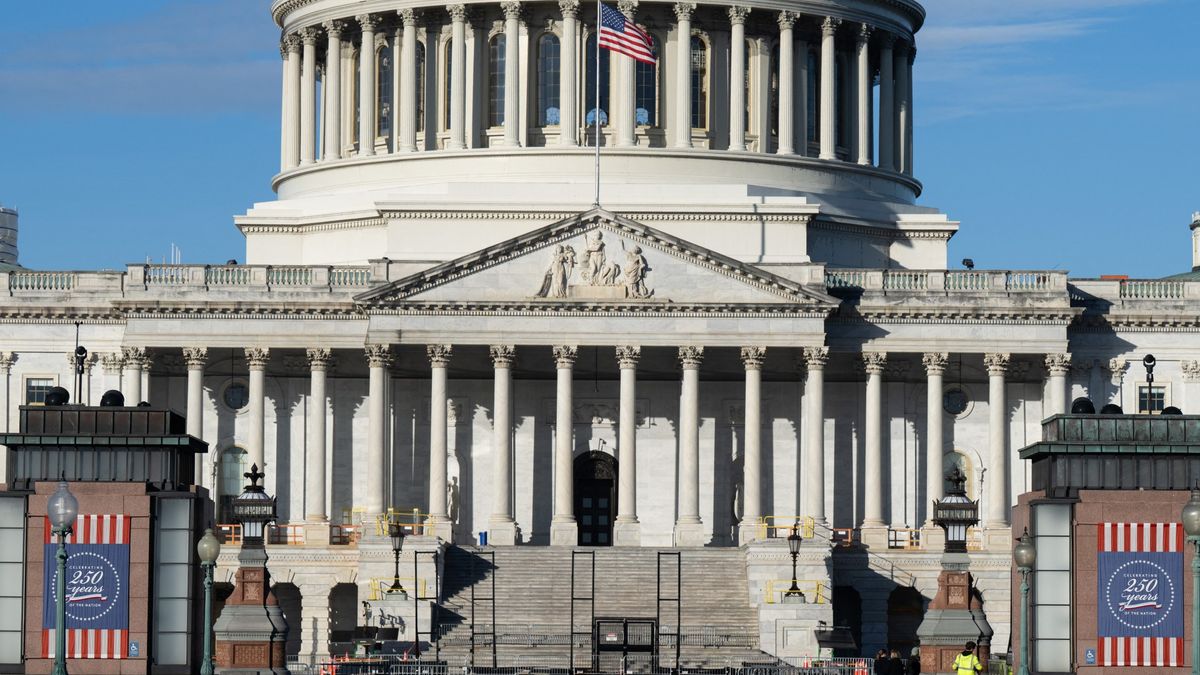
The Democratic Party reclaimed control of the U.S. Senate on November 3, 2026, after a series of upsets in states that had not voted for a Democratic senator in decades. A net gain of at least four seats—most notably in South Carolina, North Carolina, Texas, Ohio and Kansas—shifted the chamber from a 53‑seat Republican majority to a slim Democratic lead of 51‑49.
The Senate flip did not happen by accident; it was the product of intersecting incentives that reshaped campaign calculations across the country. First, the Republican trifecta that began in 2024 left many voters wary of unchecked executive and legislative power, especially after controversial policy moves on immigration, climate rollbacks, and a series of high‑profile investigations into election integrity. Candidates in swing districts leveraged that fatigue, framing the election as a referendum on unchecked authority rather than a partisan showdown.
Economic trade‑offs also played a decisive role. The 2025 federal budget, negotiated under a unified Republican agenda, introduced deep cuts to infrastructure spending and education grants, disproportionately hurting rural and low‑income communities. In Kansas and Texas, local business owners and farm cooperatives began publicly questioning the long‑term viability of a growth strategy that relied on deregulation while ignoring the erosion of public services. That narrative gave Democratic challengers a platform to promise a return to bipartisan investment, even as they pledged to protect key industry interests.
Military doctrine and alliance math added another layer. With the U.S. confronting a more assertive China in the Indo‑Pacific and a resurgent Russia in Eastern Europe, Senate control matters for defense appropriations and foreign policy oversight. Democrats, traditionally more supportive of multilateral institutions, campaigned on restoring funding for NATO and renewing commitments to climate‑linked security initiatives. The promise of a more predictable foreign policy appealed to veterans and defense‑industry workers who feared budget volatility under a single‑party Congress.
Finally, the staggered nature of Senate elections amplified the impact of a few high‑profile races. Only 35 of the 100 seats were contested, meaning each victory carried outsized weight. Strategic resource allocation by the Democratic National Committee—targeting states with historically low Democratic turnout but high dissatisfaction—allowed a lean‑budget operation to outspend Republican incumbents in key media markets, especially on digital platforms where younger voters were most active.
In states like Kansas and Texas, the shift was not just a political curiosity; it reflected a deepening sense of abandonment among rural voters. Decades of farm consolidation, coupled with reduced federal subsidies, left many families struggling to stay afloat. The Republican‑led budget cuts to the USDA’s Rural Development program meant fewer loans for equipment upgrades and limited broadband expansion, widening the digital divide that hampered education and market access.
When Democratic candidates promised to restore and expand these programs, they tapped into a tangible need. However, the transition also threatens those who have aligned their livelihoods with the existing regulatory environment. Small‑scale agribusinesses that benefited from deregulation now face uncertainty about future compliance costs, potentially leading to job losses in local processing plants.
The 2026 Senate races saw an unprecedented mobilization of volunteer labor. Thousands of young activists, many from community colleges and service‑oriented nonprofits, poured hours into door‑to‑door canvassing, phone banking, and data entry. While the surge energized the Democratic base, it also exposed a precarious labor market: most of these workers are unpaid, relying on part‑time wages from gig platforms to survive. The burnout and financial strain on this cohort highlight a hidden cost of electoral victories that rarely makes headlines.
The Senate’s new composition promises a shift toward more progressive legislation on voting rights, healthcare, and climate action. Yet the path to enactment is fraught with procedural hurdles. Communities that have long awaited federal health reforms—particularly low‑income urban neighborhoods—may experience a lag between promises and tangible benefits. In the interim, they continue to grapple with rising prescription costs and limited access to mental‑health services, a reality that underscores the lag between electoral change and lived improvement.
While campaign finance reports show a surge in small‑donor contributions to Democratic challengers, a deeper look reveals a parallel influx of dark‑money spending from industry groups that stand to gain from policy stability. Energy conglomerates, for instance, funneled millions into independent expenditure committees that aired ads emphasizing national security and economic growth, subtly framing the Republican agenda as the only viable path for job creation. These funds are often reported under shell entities, allowing corporations to influence outcomes without direct attribution.
Mainstream outlets largely reported the Senate flip as a “wave” driven by voter fatigue, but they downplayed the role of localized economic distress and targeted digital outreach. The emphasis on national narratives eclipsed stories from small towns where residents described feeling ignored by both parties for years. Moreover, the coverage rarely examined how algorithmic amplification on social media platforms prioritized sensationalist content over nuanced policy discussion, a factor that shaped voter perception in decisive ways.
Several contested races, notably in Texas and Ohio, faced accusations of uneven ballot distribution and delayed counting in predominantly Democratic precincts. While official statements framed these issues as administrative glitches, the pattern mirrors historical tactics that suppress turnout in minority‑heavy districts. The lack of robust federal oversight—once a hallmark of the Republican trifecta—means these irregularities remain under‑reported, leaving a shadow of doubt over the legitimacy of some victories.
The Senate’s new balance of power will be tested in the coming months as the Democratic leadership seeks to pass a bipartisan infrastructure package and revive climate legislation. Watch for the formation of coalition blocs that may include moderate Republicans dissatisfied with their party’s hard‑line stance on trade and immigration. Additionally, monitor the rollout of the 2027 midterm calendar: early fundraising reports suggest a resurgence of dark‑money groups aiming to re‑establish a Republican majority, especially in swing states where the 2026 margins were razor‑thin. Finally, keep an eye on how the administration’s foreign policy agenda—particularly regarding China and Russia—is shaped by the Senate’s altered composition, as any shift could reverberate through defense contracts and global diplomatic postures.
They capitalized on voter fatigue with the Republican trifecta, highlighted economic distress in rural areas, and used targeted digital campaigns to mobilize previously disengaged voters.
Key priorities include restoring infrastructure funding, advancing voting‑rights protections, and re‑engaging with multilateral climate and security initiatives.
A Democratic‑led Senate is likely to push for more predictable, alliance‑based strategies, potentially increasing funding for NATO and climate‑linked security, which could shift the tone of US engagement with both powers.
Source referenced: ALJAZEERA
This brief was synthesized by our Editorial Engine and reviewed by The Ground Narrative team.