TRENDING

Wednesday, 4 November 2026
----------------------
24 Jumada Al-Awwal 1448 AH
In a decisive 2026 midterm election, Democrats seized control of both the US House and Senate, delivering a stinging rebuke to President Donald Trump's Republican Party. This power shift sets the stage for potential clashes over the ongoing US-Israel war on Iran, contentious trade tariffs, and aggressive immigration policies.
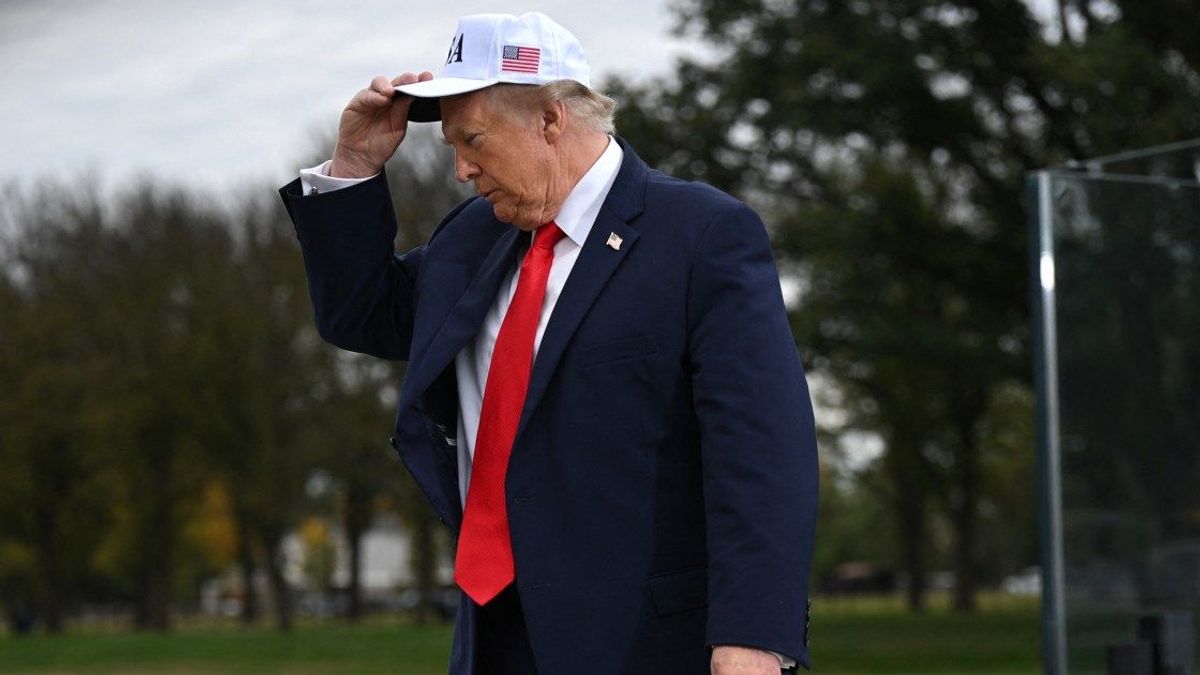
In a significant political upheaval, the Democratic Party secured majorities in both the United States House of Representatives and Senate during the November 2026 midterm elections. This outcome represents a substantial defeat for President Donald Trump's Republican Party in the middle of his second presidential term. The newly constituted Congress, set to convene in early January, will now possess greater power to scrutinize, challenge, and potentially obstruct key policies of the Trump administration, particularly concerning the US-Israel war on Iran, the administration's widespread tariffs, and its approach to immigration and border control.
The shift in congressional control fundamentally alters the landscape of power in Washington, but the extent of its impact on presidential actions remains complex and contested. While Democrats now command committee chairmanships and the ability to introduce legislation, the US Constitution grants the president significant executive authority, especially in foreign policy.
President Trump embarked on the US-Israel war on Iran in February without explicit congressional authorization. Despite the new Democratic majorities, reining in presidential military actions is notoriously difficult. The War Powers Resolution of 1973, designed to limit presidential war-making, has historically proven ineffective. It requires military actions to cease within 60 days unless Congress declares war, but a presidential veto can override congressional attempts, requiring a two-thirds supermajority in both chambers to overcome. The current projected breakdown of Congress shows Democrats are well short of this threshold, meaning a direct legislative halt to the war is unlikely.
However, Congress does hold the power of the purse. The current government-funding bill expires on December 11, presenting a critical juncture. Democrats could attempt to deny additional funding for the war, creating a significant budget constraint. Yet, analysts caution that cutting off funds for troops already in theatre is politically hazardous, often framed as
While Democrats now control Congress, directly halting the war is difficult due to presidential veto power and the high threshold for overriding it. However, Congress can deny additional funding for the war, potentially constraining the administration's military decisions after December 11.
The new Congress can push for exceptions to the tariffs and refuse to extend the executive order tariffs beyond their 150-day limit. However, a complete reversal or fundamental shift in US trade policy would likely require a new president in 2028.
Democrats gain control of all congressional committees, allowing them to launch extensive investigations and issue subpoenas. This enables scrutiny of the Trump administration's policies, including immigration, and potentially the president's business dealings.
Source referenced: ALJAZEERA
This brief was synthesized by our Editorial Engine and reviewed by The Ground Narrative team.