TRENDING

Thursday, 5 November 2026
----------------------
25 Jumada Al-Awwal 1448 AH
A new wave of reciprocal strikes has seen Ukrainian drones hit Russian territory, causing civilian casualties, while Russian missiles target Ukraine's energy grid, plunging cities into darkness. As winter looms, ordinary citizens on both sides bear the brunt of escalating infrastructure warfare.
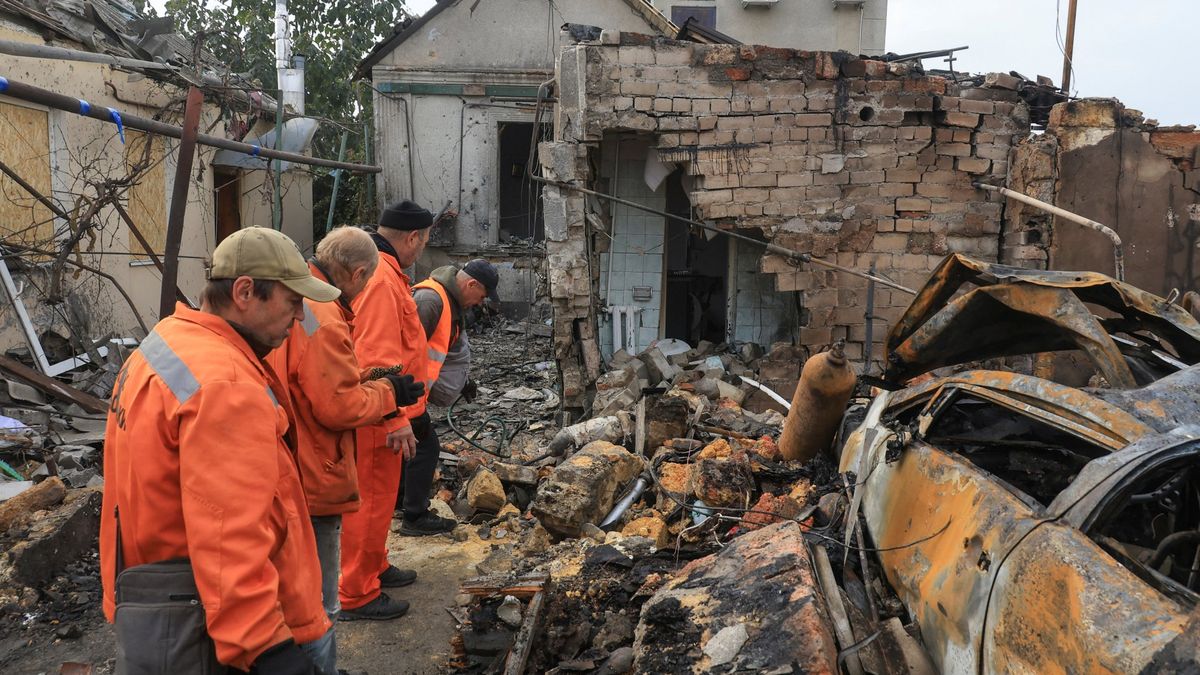
Recent days have seen a significant escalation in cross-border attacks, with Ukrainian drone strikes reportedly killing three civilians in Russia's Belgorod region and igniting a major warehouse fire in Adygeysk. In response, or as part of an ongoing campaign, Russian forces launched extensive overnight missile and drone attacks across Ukraine, severely damaging power generation facilities and substations in at least nine regions, including Kyiv, Zhytomyr, Poltava, and Dnipro. These strikes triggered emergency power and water outages for millions of Ukrainians. Simultaneously, power cuts were reported across Russian-occupied Crimea, affecting approximately 2.5 million residents, which Russian authorities attributed to Ukrainian strikes on energy infrastructure.
This latest wave of reciprocal attacks reveals a deepening commitment by both Kyiv and Moscow to a strategy of attrition that increasingly targets the adversary's civilian infrastructure and logistical capabilities. For Ukraine, striking inside Russia serves multiple purposes: it demonstrates the capacity to inflict pain beyond the front lines, aiming to disrupt Russian logistical chains, impact civilian morale, and potentially divert Russian air defense resources. The targeting of a major e-commerce warehouse, like Ozon's, suggests an intent to hit economic nodes, creating ripple effects that extend beyond immediate physical damage to supply chains and consumer confidence. These strikes also act as a form of retaliation, signaling to Moscow that its attacks on Ukrainian cities will not go unanswered, thereby challenging the Kremlin's narrative of a conflict contained within Ukrainian borders.
Russia's strategy, particularly its renewed focus on Ukraine's energy grid, is a grim echo of tactics employed in previous winters. By systematically degrading power generation and distribution networks, Moscow aims to break civilian resilience, undermine the Ukrainian economy, and create immense humanitarian pressure, hoping to force Kyiv to the negotiating table on Russia's terms. The timing of these attacks, just as temperatures begin to drop before winter, is highly deliberate, maximizing the impact on daily life and public services. The targeting of substations and power facilities across multiple regions indicates a coordinated effort to overwhelm repair capabilities and create widespread, prolonged outages. This strategy also serves to project power and demonstrate Russia's continued ability to strike deep within Ukrainian territory, despite sanctions and international condemnation.
The broader geopolitical context further complicates these power dynamics. The Kremlin's public statements, expressing hope that US President Donald Trump will continue his
Source referenced: ALJAZEERA
This brief was synthesized by our Editorial Engine and reviewed by The Ground Narrative team.