TRENDING

Thursday, 5 November 2026
----------------------
25 Jumada Al-Awwal 1448 AH
Voters delivered a significant rebuke to President Donald Trump in the 2026 US midterm elections, handing control of both the House and Senate to Democrats. This shift signals a public weary of prolonged conflict and economic strain, but the struggle for the nation's direction is far from over.
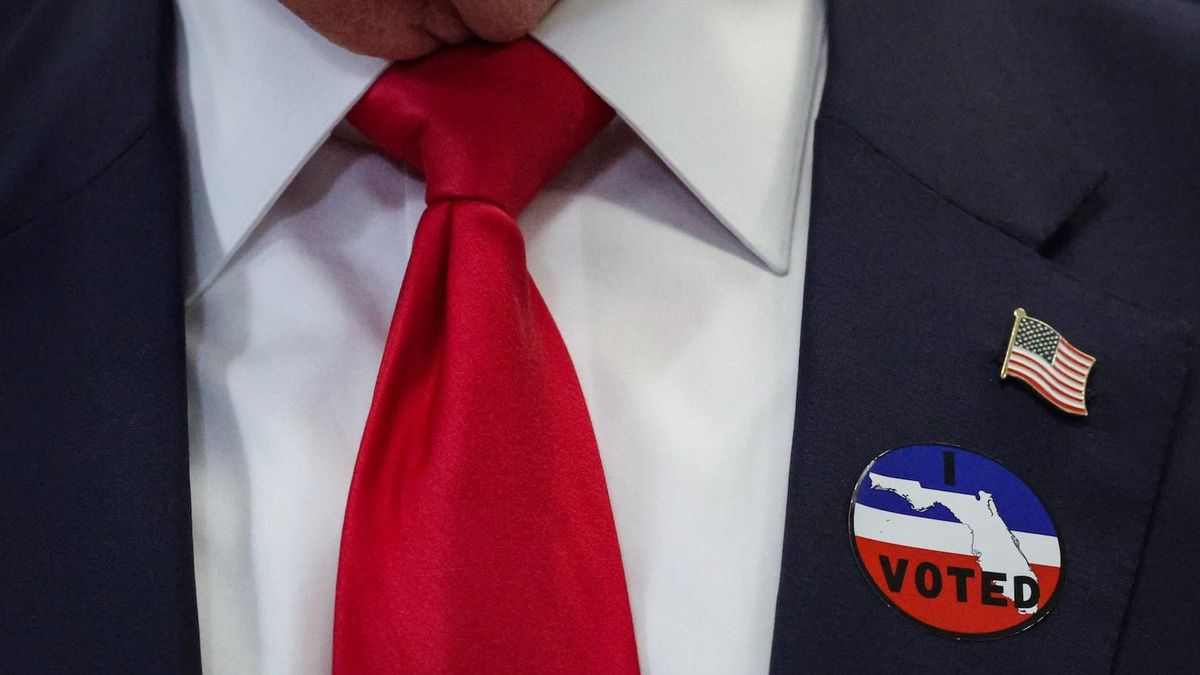
In a dramatic shift of political power, the Democratic Party secured control of both the US House of Representatives and the Senate during the 2026 midterm elections. This outcome represented a profound public rebuke of President Donald Trump in the midst of his second term, following his 2024 presidential victory. Voters, including significant segments of historically Republican-leaning demographics, turned against the incumbent administration, driven by widespread discontent over a costly and prolonged Iran war, persistent domestic inflation, and perceived abuses of executive power. The electoral results were particularly striking in states like Texas and Kansas, where Democrats achieved historic victories in Senate and gubernatorial races, signaling a significant realignment of voter sentiment.
The 2026 midterm elections laid bare the intricate and often volatile mechanics of power within the American political system, highlighting the perpetual tension between executive authority and legislative oversight. Despite the Democratic sweep of Congress, President Trump has historically demonstrated a profound inclination to operate independently of legislative preferences, relying heavily on the expansive tools of the presidency: executive orders, memoranda, proclamations, and the ultimate legislative check, the veto. His declaration that he possesses “ultimate power” underscores a foundational belief in executive dominance, which has seen him sign hundreds of such directives, reshaping policies from trade to immigration, often bypassing congressional input.
This executive assertiveness, however, now confronts a newly empowered Democratic Congress. While the legislature’s ability to directly dictate foreign policy remains limited – presidents often enjoy significant latitude in international affairs – a hostile Congress can exert pressure through budget allocations, investigations, and public hearings. The Iran war and the ongoing conflict in Ukraine, both central to voter dissatisfaction, will likely become focal points for congressional scrutiny, even if Trump maintains his prerogative to direct military action. The Democrats' control of both chambers opens avenues for legislative initiatives aimed at domestic issues like healthcare, housing, and industrial policy, potentially forcing Trump into a series of veto battles that could further define his legacy and shape the political landscape leading into 2028.
The electoral outcome also reflects a significant shift in voter power, demonstrating the public's capacity to hold powerful actors accountable. The fracturing of the MAGA coalition, which propelled Trump to victory in 2024, is a critical development. His previous success was built on exploiting inflationary pressures under President Joe Biden and leveraging cultural grievances against perceived progressive overreach. However, the economic strain of the Iran war, coupled with an aggressive crackdown on immigration that impacted even legal residents, alienated key voter blocs, including Latino and working-class Americans who had previously gravitated towards Trump. This electoral realignment underscores that while executive power can be formidable, sustained economic hardship and perceived policy failures can ultimately mobilize a decisive counter-force at the ballot box.
The political shifts observed in the 2026 midterms are not merely abstract power plays; they carry tangible and often severe human costs, directly impacting the daily lives of ordinary citizens both within the United States and abroad.
Perhaps the most immediate and widespread human cost stems from the economic inflation that significantly influenced voter sentiment. For millions of American households, rising prices for essential goods, housing, and energy have eroded purchasing power, forcing difficult choices and increasing financial precarity. This economic pressure was exacerbated by the Iran war, a conflict whose financial burden added to national debt and contributed to market instability. Beyond the economic ledger, the human toll of prolonged military engagements is borne by service members and their families, who face deployment cycles, physical and psychological trauma, and the constant anxiety of conflict. The populations of Iran and Ukraine also continue to endure the direct consequences of war, including displacement, loss of life, and the destruction of infrastructure, their lives profoundly disrupted by geopolitical decisions made far from their homes.
President Trump's intensified crackdown on immigration, a policy stance that alienated many Latino voters, has had a profound human cost on immigrant communities. Beyond the rhetoric, these policies translate into increased deportations, family separations, and heightened fear within communities where legal residents and undocumented individuals coexist. The dragnet of enforcement often blurs lines, creating an environment of uncertainty and vulnerability for those seeking a better life or simply living within the country. The psychological stress, legal battles, and disruption of family units represent a significant human price paid for political posturing on border security.
The
The 2026 US midterm elections resulted in the Democratic Party gaining control of both the House of Representatives and the Senate. This outcome was seen as a significant public rebuke of President Donald Trump during his second term, driven by voter dissatisfaction over economic inflation and the ongoing Iran war.
While President Trump retains significant executive power, including veto authority and the ability to issue executive orders, the Democratic control of Congress will likely lead to increased legislative scrutiny and potential investigations. This shift could limit his domestic policy agenda and force confrontations, though his foreign policy autonomy may remain largely intact.
Despite the shift in congressional control, President Trump is expected to largely continue his foreign policy approach, particularly concerning the Iran and Ukraine wars, due to the inherent executive power in international affairs. However, a Democratic Congress may attempt to exert influence through budget allocations, public hearings, and legislative efforts to constrain presidential actions.
Source referenced: FOREIGNPOLICY
This brief was synthesized by our Editorial Engine and reviewed by The Ground Narrative team.


