TRENDING

Thursday, 5 November 2026
----------------------
25 Jumada Al-Awwal 1448 AH
Iran's streets erupted in defiance during the 47th anniversary of the US embassy takeover, but this year's rallies carried the weight of a new reality: a declared war with the US and Israel, and the profound void left by the death of Supreme Leader Ayatollah Ali Khamenei.
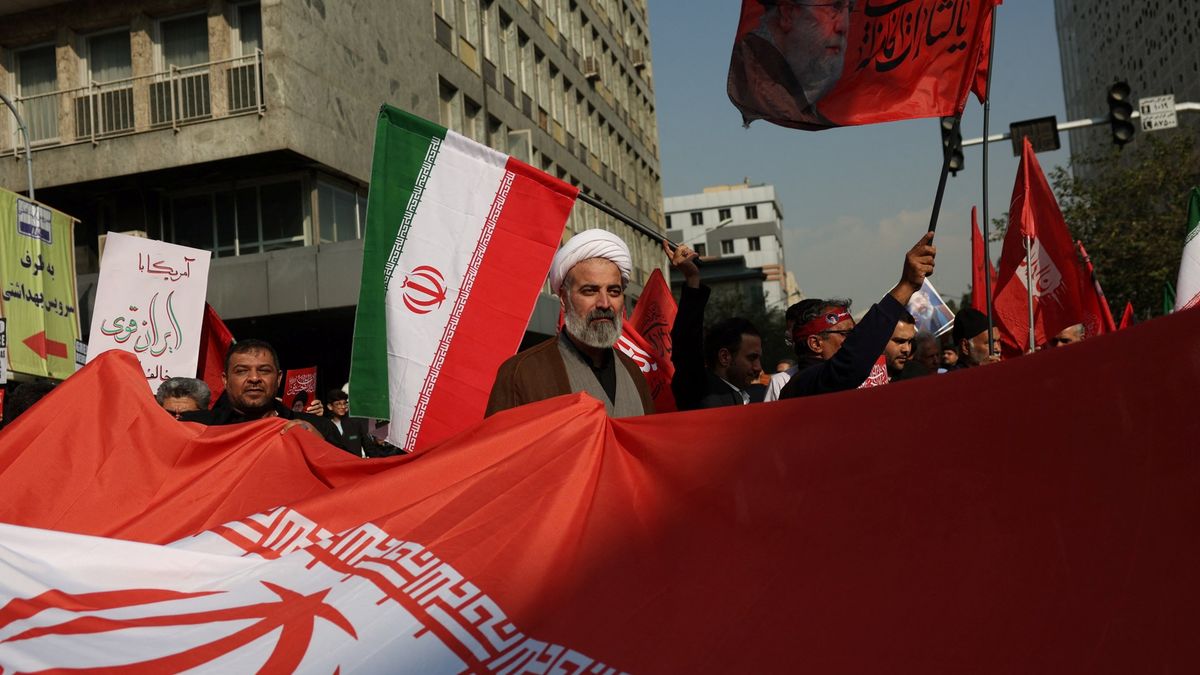
Iran recently marked the 47th anniversary of the 1979 takeover of the United States embassy in Tehran with mass rallies across the capital. This year's commemoration, however, was overshadowed by a far more significant and recent development: a war launched by the US and Israel against Iran on February 28, which tragically resulted in the death of Iran's longtime Supreme Leader, Ayatollah Ali Khamenei. His passing and the ongoing conflict have sent shockwaves through global energy markets, disrupting shipping through the vital Strait of Hormuz. During the anniversary rallies, thousands of demonstrators burned US and Israeli flags, chanted anti-Western slogans, and paraded effigies of US President Donald Trump and Israeli Prime Minister Benjamin Netanyahu, as officials hailed what they called US and Israeli “defeats” in recent elections and on the battlefield.
The anniversary rallies served as a crucial stage for Iran's new leadership, under Ayatollah Mojtaba Khamenei, to project an image of continuity, strength, and unwavering defiance in the face of profound internal and external pressures. The death of his father, Ayatollah Ali Khamenei, marks a seismic shift in Iranian politics, demanding immediate consolidation of power and legitimacy for the successor. Public demonstrations, especially those rooted in a foundational moment of revolutionary identity like the 1979 embassy takeover, are powerful tools for the regime to rally support, suppress potential dissent, and signal unity to both domestic and international audiences. The narrative of US and Israeli
Source referenced: ALJAZEERA
This brief was synthesized by our Editorial Engine and reviewed by The Ground Narrative team.