TRENDING

Thursday, 5 November 2026
----------------------
25 Jumada Al-Awwal 1448 AH
The 2026 midterm elections delivered unprecedented representation for women, Black, Muslim, gay and Native American candidates. This brief unpacks the power dynamics behind the wins and the communities left vulnerable.
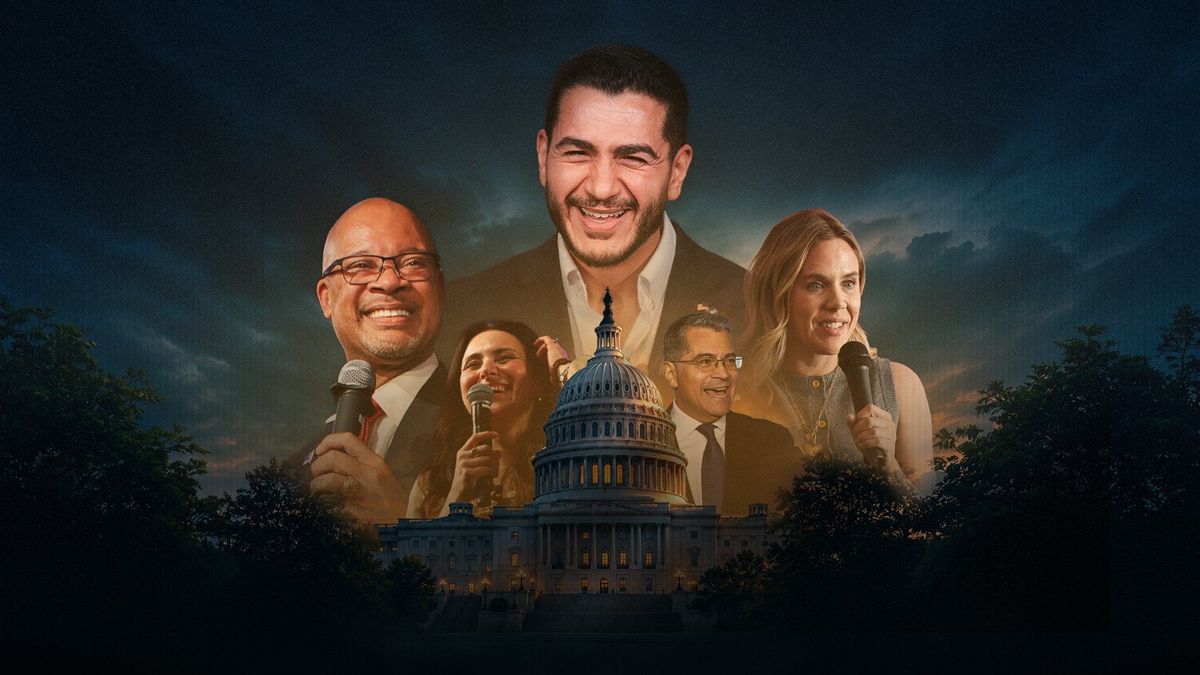
The November 2026 midterm elections produced a record number of first‑time officeholders from historically under‑represented groups: women, Black, Muslim, gay and Native American candidates won seats across the House, Senate and state legislatures. The results also redrew the partisan map, with the Democratic Party gaining a slim majority in the House while the Republican Party held onto a narrow Senate edge.
- Demographic realignment: The post‑2020 census revealed faster growth in minority‑majority districts, forcing both parties to recalibrate candidate recruitment and messaging. Urban and suburban districts that once leaned reliably Republican now feature a more diverse electorate, prompting the Democratic Party to field candidates who could mobilize these new voters.
- Campaign finance evolution: A surge in small‑donor platforms, combined with a wave of corporate PACs targeting swing districts, reshaped funding flows. While grassroots contributions helped many historic candidates cross the filing line, large‑scale ad buys by industry groups—especially in energy and tech—still dictated narrative framing in key races.
- Redistricting after the 2024 courts rulings: Recent Supreme Court decisions limited partisan gerrymandering, leading to more competitive districts. However, state legislatures retained control over map drawing, allowing the Republican Party to preserve advantageous boundaries in several Southern states, diluting the impact of new representation.
- Media and narrative control: Cable news and social platforms amplified the symbolism of “firsts,” but often relegated policy discussions to sound bites. The focus on identity milestones diverted attention from substantive legislative agendas, benefitting incumbents who could leverage the publicity without committing to concrete reforms.
Farmers in the Midwest, already grappling with climate volatility, face uncertain federal support as the new congressional makeup debates agricultural subsidies. The shift toward progressive climate legislation threatens traditional crop insurance structures, potentially raising costs for small‑scale producers.
Cities that elected progressive mayors and legislators see renewed pushes for rent control and affordable housing mandates. While renters welcome the agenda, landlords argue that tighter regulations could curb new construction, exacerbating housing shortages for low‑income families.
The election of several Native American legislators raised hopes for stronger tribal rights. Yet, federal budget negotiations hint at cuts to the Bureau of Indian Affairs, meaning that promised policy gains may be stalled, leaving tribal communities without needed resources.
- Corporate lobbying’s quiet hand: While headlines celebrate diversity, lobbying disclosures show that oil, pharmaceutical and defense firms increased their spending by 18% in the 2026 cycle, targeting committees chaired by newly elected members to shape legislation favorable to their bottom lines.
- Voter suppression under the radar: New state laws tightening ID requirements and limiting ballot drop‑boxes were passed in several Republican‑controlled legislatures shortly before the election. These measures reduced turnout among minority and low‑income voters, meaning the historic wins occurred despite a suppressed electorate.
- Foreign digital influence: Intelligence reports indicate coordinated disinformation campaigns from abroad aimed at sowing division over the “firsts” narrative, framing it as a threat to national stability. These efforts muted discussion of policy trade‑offs, keeping public debate on surface‑level identity politics.
- Legislative agenda in the 118th Congress: Track bills on climate policy, agricultural subsidies, and housing reform to see whether the symbolic victories translate into material benefits for the constituencies that elected them.
- State‑level redistricting battles: Upcoming court challenges in Texas, Georgia and North Carolina will test the durability of the post‑2024 map reforms and could reshape the balance of power before the 2028 elections.
- Funding flows for the next cycle: Monitor PAC contributions and dark money disclosures as corporations adjust strategies to the new congressional composition, especially in sectors like energy and tech.
- Grassroots mobilization: Watch how community organizations leverage the historic wins to build long‑term political infrastructure, particularly in marginalized neighborhoods that faced voter suppression.
- International perception: Allies and rivals will assess whether the United States’ internal diversification signals a shift in foreign policy priorities, especially regarding human rights and climate commitments.
By keeping an eye on these dynamics, ordinary citizens can gauge whether the 2026 historic firsts herald substantive change or remain largely symbolic victories within a system still dominated by entrenched power structures.
The 2026 midterms saw the first women, Black, Muslim, gay and Native American candidates elected to a range of federal and state offices, reshaping the demographic makeup of legislatures.
Progressive legislators are pushing stronger climate legislation, which could alter agricultural subsidy structures, while rural representatives may resist changes that affect farm insurance and crop support.
Editor's Note: Analysis based on publicly available election data and recent policy reports; ongoing developments may adjust the outlook.
Source referenced: ALJAZEERA
This brief was synthesized by our Editorial Engine and reviewed by The Ground Narrative team.


