TRENDING

Thursday, 5 November 2026
----------------------
25 Jumada Al-Awwal 1448 AH
Democrats seized both chambers in the 2026 midterms, but institutional hurdles and a hostile president limit what they can achieve. This analysis breaks down the power mechanics, the human cost, and the stories left out of official narratives.
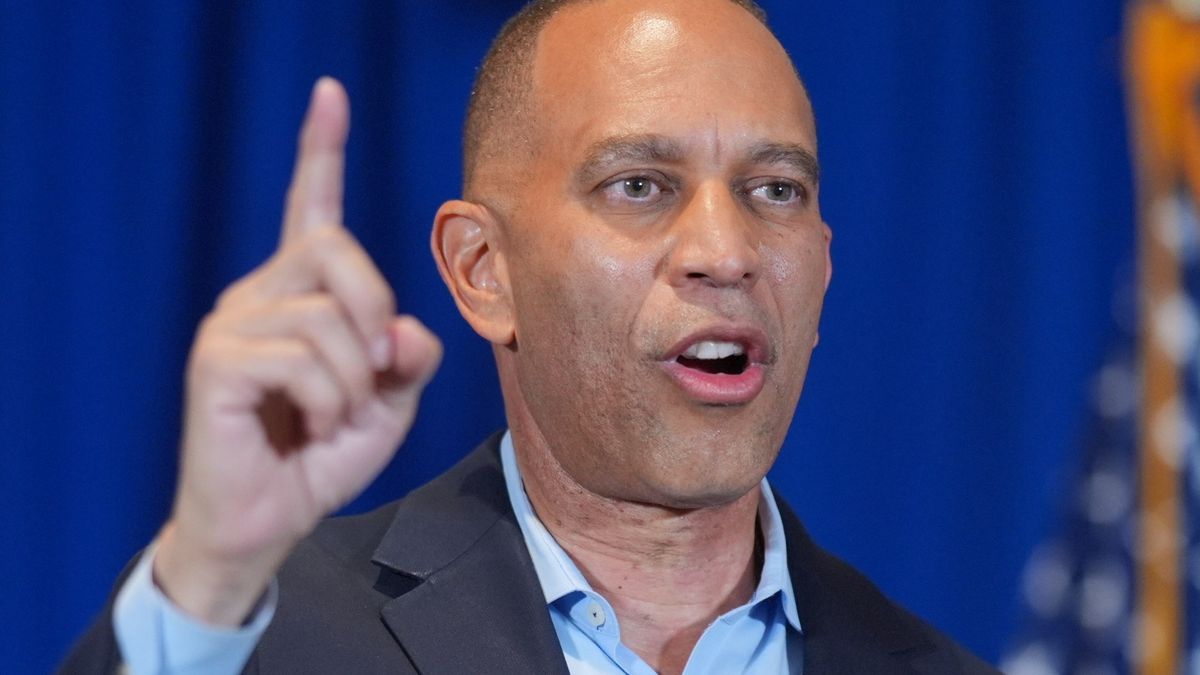
Democrats rode a blue wave in the November 2026 midterm elections, winning majorities in the House and Senate for the first time since 2010. The party campaigned on lowering the cost of living, ending the war on Iran, and holding former President Donald Trump accountable, while promising to roll back his immigration crackdown.
The new congressional map looks promising on paper, but the United States Constitution and entrenched Senate rules keep Democrats from acting unilaterally. In the Senate, most legislation requires a 60‑vote supermajority to overcome a filibuster, a threshold that the 50‑plus Democratic caucus cannot reach without at least some Republican cooperation. Even if they muster that support, the president retains a line‑item veto power that Trump has already signaled he will use aggressively, declaring on a podcast that he will “veto everything.”
Beyond votes, the Democratic majority gains control of key committees—Appropriations, Ways and Means, and Armed Services—granting them subpoena power, oversight authority, and the ability to shape the federal budget. Budgetary control is especially potent because it can choke off funding for initiatives the president favors, such as the ongoing operations against Iran. However, the president can reallocate existing appropriations, so the Democrats must pass new spending bills to create a hard ceiling on war‑related outlays.
The House speaker, likely Hakeem Jeffries, will also set the legislative agenda, but his leverage is limited by the need to keep the Democratic caucus united. The party’s progressive wing pushes for aggressive price‑control measures and expansive social spending, while moderate members worry about alienating swing‑state voters and provoking a Republican backlash that could jeopardize future elections. This internal balancing act shapes which bills get priority and which become political compromises.
Middle‑class families across the Midwest and South feel the pinch of higher energy, housing, and healthcare costs. If the Democratic agenda succeeds in restoring the enhanced Affordable Care Act subsidies that expired in 2025, millions could see lower insurance premiums. Yet the timing of any relief is uncertain; budget reconciliation can take months, and price adjustments often lag behind policy changes.
The war on Iran has kept the Strait of Hormuz partially blocked, inflating global oil prices. A successful congressional push to end the conflict could lower fuel costs for commuters and freight operators, but the effect would be gradual as markets adjust. In the meantime, low‑income households continue to spend a larger share of their income on energy, amplifying inequality.
Investigations into corporate price‑setting could target CEOs of major grocery chains, utility firms, and tech companies. While hearings may pressure firms to justify hikes, the immediate impact on workers’ wages and job security is ambiguous. Some companies might respond with cost‑cutting measures that include layoffs or reduced benefits, shifting the burden from consumers to employees.
If Congress curtails funding for the Iran operation, defense contractors and the towns that depend on them could face reduced contracts. Base closures or scaling back of operations would affect local economies, potentially leading to job losses in regions that have long relied on defense spending.
Trump’s administration continues to draft a “shadow budget” that earmarks discretionary funds for projects aligned with his agenda, from border infrastructure to AI research tied to his private ventures. While the Democratic majority can block new appropriations, the existing budget line items remain a loophole that the executive can exploit, a detail rarely highlighted in public briefings.
The raw intelligence notes a surge in lobbying spend from energy conglomerates and defense firms ahead of the new Congress. These groups are funneling money into both parties, hoping to shape committee assignments and secure favorable testimony. The public narrative focuses on the Democrats’ investigative zeal, but the simultaneous uptick in lobbying suggests a parallel power play that could dilute the impact of any hearings.
Mainstream coverage often frames Democratic investigations as a moral crusade against Trump’s alleged corruption. What receives less attention is the strategic use of investigations to extract political concessions from Republican senators who fear being drawn into a prolonged impeachment saga. By threatening to open a Pandora’s box of subpoenas, Democrats can pressure swing votes on unrelated legislation, a bargaining chip hidden from the headline.
Foreign governments watch the U.S. internal balance of power for cues on policy continuity. Iran, for instance, is quietly testing the waters for diplomatic overtures, betting that a divided Congress will limit U.S. military options. Yet the American public rarely hears about these back‑channel calculations, which could shape the region’s stability more than any public statement.
The next two years will be defined by three observable tracks. First, monitor the Senate’s filibuster debates; any move to lower the 60‑vote threshold would dramatically shift legislative calculus. Second, track the budget reconciliation process for the 2027 fiscal year—its language will reveal how far Democrats can push price‑relief measures without triggering a presidential veto. Third, watch the timing and scope of congressional subpoenas; the speed of compliance, the courts’ rulings on executive privilege, and the media’s coverage of any revelations will indicate whether investigations become a tool for policy or merely a political theater.
Readers should keep an eye on the quarterly reports from the Government Accountability Office and the Project on Government Oversight, as they often surface early warnings about budget reallocations and compliance gaps. Additionally, watch the stock market’s reaction to any announced cuts in defense spending, which can serve as a proxy for how deeply the war on Iran is being reined in. Finally, pay attention to grassroots organizing in high‑cost cities—tenant unions, consumer advocacy groups, and labor coalitions will test the Democrats’ promises on the ground, and their successes or setbacks will be the true measure of who ultimately benefits from the blue wave.
In the Senate, most bills need a 60‑vote supermajority to overcome a filibuster, which the Democrats lack. They can still pass budget reconciliation bills and use committee oversight, but major reforms will require some Republican cooperation.
A cessation of hostilities would likely ease restrictions on the Strait of Hormuz, lowering global oil prices. Lower fuel costs would reduce transportation and heating expenses for households, though the effect would be gradual as markets adjust.
Editor's Note: Analysis based on publicly available statements and expert commentary; future political moves may shift dynamics.
Source referenced: ALJAZEERA
This brief was synthesized by our Editorial Engine and reviewed by The Ground Narrative team.


