TRENDING

Thursday, 5 November 2026
----------------------
25 Jumada Al-Awwal 1448 AH
Iranians hailed the 2026 US Democratic sweep as a win for Tehran, hoping Congress will curb President Trump's war agenda. The celebration masks deeper power struggles and human costs on both sides of the Atlantic.
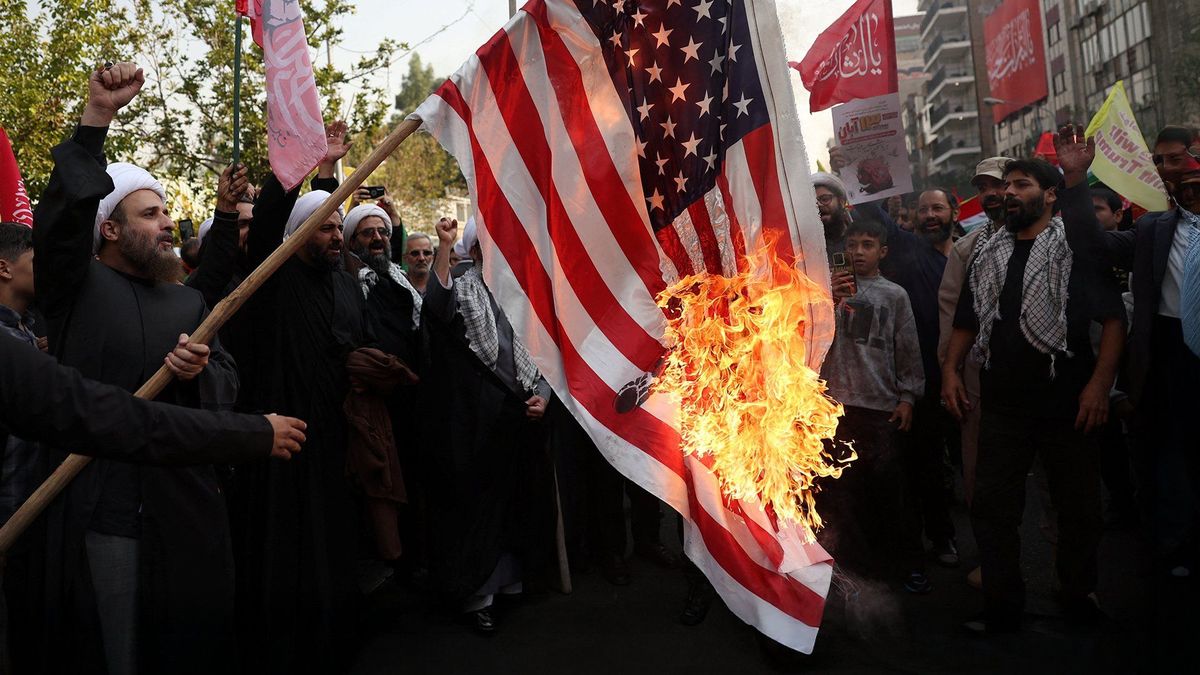
On November 4, 2026, the United States held its midterm elections, and the Democratic Party secured a decisive majority in both chambers of Congress. Social media feeds in Tehran erupted with celebratory posts, framing the result as a direct rebuke of President Donald Trump and his recent military actions in the Middle East, which many Iranians believe have harmed their nation.
The Republican defeat is being linked by Iranian commentators to the fallout from Trump's aggressive posture toward Iran—including renewed sanctions, a series of drone strikes, and a hard‑line stance on the nuclear talks. Within the United States, Democrats are betting that a unified Congress will force a rollback of those policies, using the electoral mandate as leverage against a president whose approval ratings have sunk below 35 percent.
Congressional committees, especially the Foreign Relations and Armed Services panels, gain political capital by positioning themselves as the check on an increasingly unilateral executive. Senior Democrats, many of whom campaigned on ending “endless wars,” now have the procedural tools—budgetary control, treaty ratification authority, and oversight hearings—to reshape the administration’s Middle‑East agenda.
For Tehran, the shift offers a diplomatic opening. Iran’s leadership has long calculated that a Democratic Congress would be more receptive to the Joint Comprehensive Plan of Action (JCPOA) framework, or at least to a negotiated easing of sanctions. The celebration is therefore less about joy and more about signaling to Washington that Tehran is ready to engage if the political winds change.
European allies, particularly Germany and France, have also been urging a de‑escalation with Tehran. A Democratic majority could align US policy more closely with European diplomatic efforts, reducing the strategic divergence that has complicated NATO’s Middle‑East posture.
The renewed sanctions campaign under Trump tightened restrictions on Iran’s oil exports, plunging the economy into a deeper recession. Unemployment rose to 18 percent, and inflation eroded real wages for ordinary families. The celebration in Tehran masks the daily reality of long lines for medicine, power outages, and a shrinking middle class.
American troops stationed in the region have faced heightened risk due to the escalated posture, leading to an uptick in combat‑related injuries and fatalities. Military families across the United States are coping with the emotional toll of deployments that have been justified as “necessary to contain Iran.”
Iranians living in the United States and Europe watch the election with mixed feelings. While some see a Democratic win as a chance for relief, others fear a backlash that could inflame anti‑Iran sentiment, potentially affecting immigration policies and community relations.
White House spokespeople have framed the Iranian reaction as a fringe phenomenon, emphasizing that US policy is driven by “American interests, not foreign celebrations.” This narrative seeks to prevent the perception that US electoral outcomes are being leveraged by an adversary, thereby preserving the image of sovereign decision‑making.
Defense contractors, many of which profit from continued US military presence in the Middle East, have quietly funded Republican candidates and think‑tanks that promote a hard‑line stance on Iran. Their influence is rarely disclosed in mainstream coverage, yet it shapes the policy debate that the new Democratic majority will inherit.
Western media often presents the US‑Iran tension as a binary of democracy versus autocracy, overlooking the nuanced motivations of Iranian policymakers who are equally concerned about domestic legitimacy. By simplifying the story, the press downplays how internal Iranian politics—such as the Supreme Leader’s need to project strength—drive Tehran’s external posturing.
In the coming weeks, the House Foreign Affairs Committee is slated to hold hearings on the recent strikes against Iranian targets. Watch for bipartisan testimony that could set the tone for future funding decisions and the possible introduction of a resolution to suspend certain sanctions.
Iran is expected to raise the issue of US sanctions at the United Nations General Assembly, seeking broader international support. The response of the European Union and China will indicate whether a multilateral pressure corridor is forming against Trump’s policies.
If Democrats succeed in curbing the president’s military options, Trump may double down on rhetoric, potentially using foreign policy as a rallying point for a 2028 presidential bid. Monitoring his public statements and campaign fundraising will reveal whether the midterm loss translates into a strategic pivot or a more confrontational stance.
Oil export figures, inflation rates, and unemployment data over the next quarter will show whether any policy shift translates into tangible relief for Iranians. A sudden improvement could validate Tehran’s optimism, while stagnation would underscore the limits of US congressional power.
Pro‑democracy groups in Iran and anti‑war movements in the United States are likely to coordinate protests, using the election as a rallying point. Their ability to sustain pressure will affect how quickly any legislative changes are implemented.
By tracking these threads, readers can gauge whether the celebratory tweets from Tehran signal a genuine opening for diplomatic reset or merely a momentary political flash that will fade under the weight of entrenched interests.
Many Iranians view the Democratic sweep as a sign that Congress may curb President Trump's hard‑line policies, including sanctions and military actions that have hurt Iran's economy and security.
A unified Democratic Congress could launch oversight hearings, push for sanctions relief, and push the administration toward renewed nuclear negotiations, altering the current confrontational stance.
If US policy softens, sanctions could ease, potentially lowering inflation and improving access to medicines, though the impact will depend on how quickly legislative changes are enacted.
Source referenced: ALJAZEERA
This brief was synthesized by our Editorial Engine and reviewed by The Ground Narrative team.