TRENDING

Thursday, 15 October 2026
----------------------
4 Jumada Al-Awwal 1448 AH
The Ukrainian government's efforts to preserve the Ukrainian language in the face of Russian aggression have taken on a new urgency, with the country's language revitalization program seeking to save Ukrainians' mother tongue through complex state law.
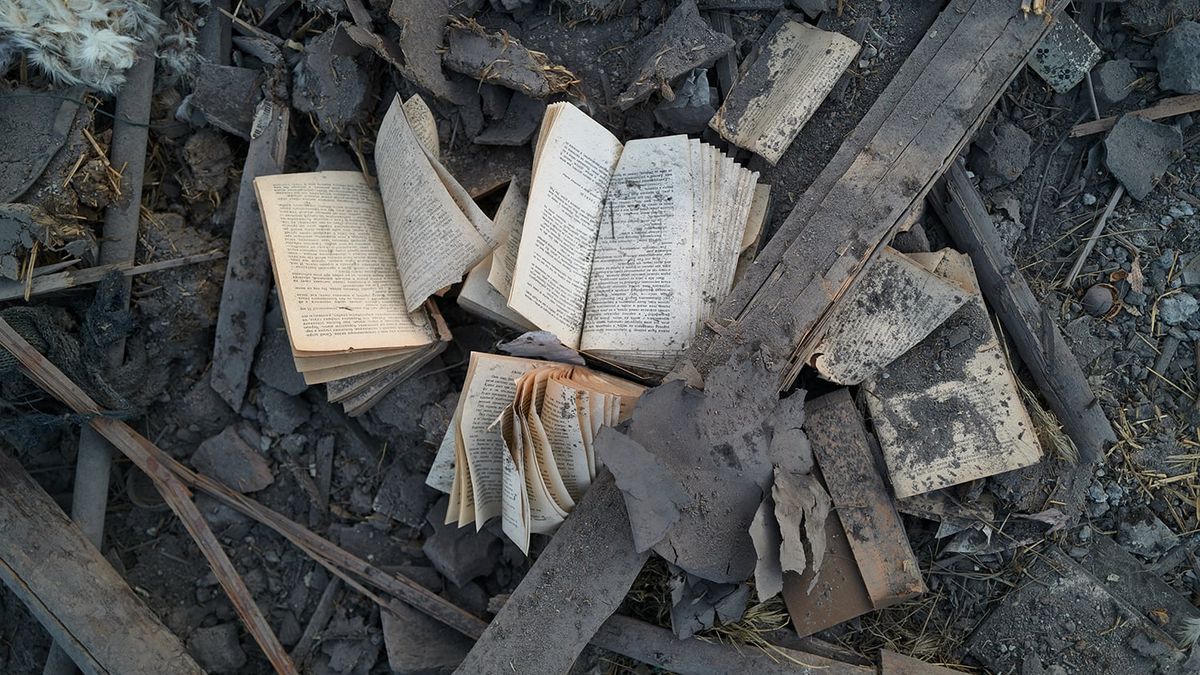
The ongoing conflict between Ukraine and Russia has revealed the critical role that language plays in the struggle for national identity and sovereignty. The Ukrainian government's efforts to preserve the Ukrainian language in the face of Russian aggression have taken on a new urgency, with the country's language revitalization program seeking to save Ukrainians' mother tongue through complex state law.
The issue of language politics in Ukraine dates back to the Soviet era, when the Russian language was imposed on the country as the dominant language of instruction and public life. This led to a process of Russification, where Ukrainians were encouraged to adopt Russian as their primary language and culture. However, with the Maidan revolution in 2014, Ukraine began to assert its independence and reclaim its national identity, including its language.
In 2019, the Ukrainian government introduced a state language law that aimed to promote the use of Ukrainian in all aspects of public life. The law requires that all Ukrainians be taught Ukrainian at school and that everyone in Ukraine become proficient in the language. New citizens will be expected to demonstrate an appropriate proficiency in Ukrainian, either immediately or within a year of acquiring citizenship. An enormous number of professions require proficiency in Ukrainian, including government officials, teachers, and healthcare workers.
Taras Kremin, the former State Language Protection Commissioner, has been a key figure in the language revitalization program. With a Ph.D. in Ukrainian literature and philology, Kremin has dedicated his career to promoting the use of Ukrainian language and culture. As a university professor and poet, Kremin has been instrumental in shaping the country's language policy and has worked tirelessly to promote the use of Ukrainian in all aspects of public life.
The Ukrainian language is not just a means of communication; it is also a symbol of national identity and sovereignty. The country's language revitalization program is not just about preserving a language, but also about preserving a culture and a way of life. By promoting the use of Ukrainian language, the government is sending a powerful message about the country's commitment to its national identity and its determination to resist Russification.
The language revitalization program has significant regional implications, particularly in the context of the ongoing conflict with Russia. The program is seen as a key component of Ukraine's efforts to resist Russian aggression and to promote its national identity. The program's success will depend on the government's ability to promote the use of Ukrainian language in all aspects of public life, including education, media, and government.
The future consequences of the language revitalization program will depend on a number of factors, including the government's commitment to promoting the use of Ukrainian language and the level of resistance from Russian-speaking populations. If successful, the program will help to preserve the Ukrainian language and culture, and will send a powerful message about the country's commitment to its national identity. However, if the program fails, it could have significant consequences for the country's national identity and sovereignty.
The language revitalization program in Ukraine is a critical front in the war against Russification. The program's success will depend on the government's ability to promote the use of Ukrainian language in all aspects of public life, including education, media, and government. The program's regional implications are significant, particularly in the context of the ongoing conflict with Russia. The future consequences of the program will depend on a number of factors, including the government's commitment to promoting the use of Ukrainian language and the level of resistance from Russian-speaking populations.
Editor's Note: The analysis is based on publicly available information and may not reflect the full complexity of the issue.
Source referenced: FOREIGNPOLICY
This brief was synthesized by our Editorial Engine and reviewed by The Ground Narrative team.