TRENDING

Friday, 16 October 2026
----------------------
5 Jumada Al-Awwal 1448 AH
US President Donald Trump has threatened to impose additional tariffs on Canada over the country's wildfires, sparking concerns about the escalating tensions between the two nations.
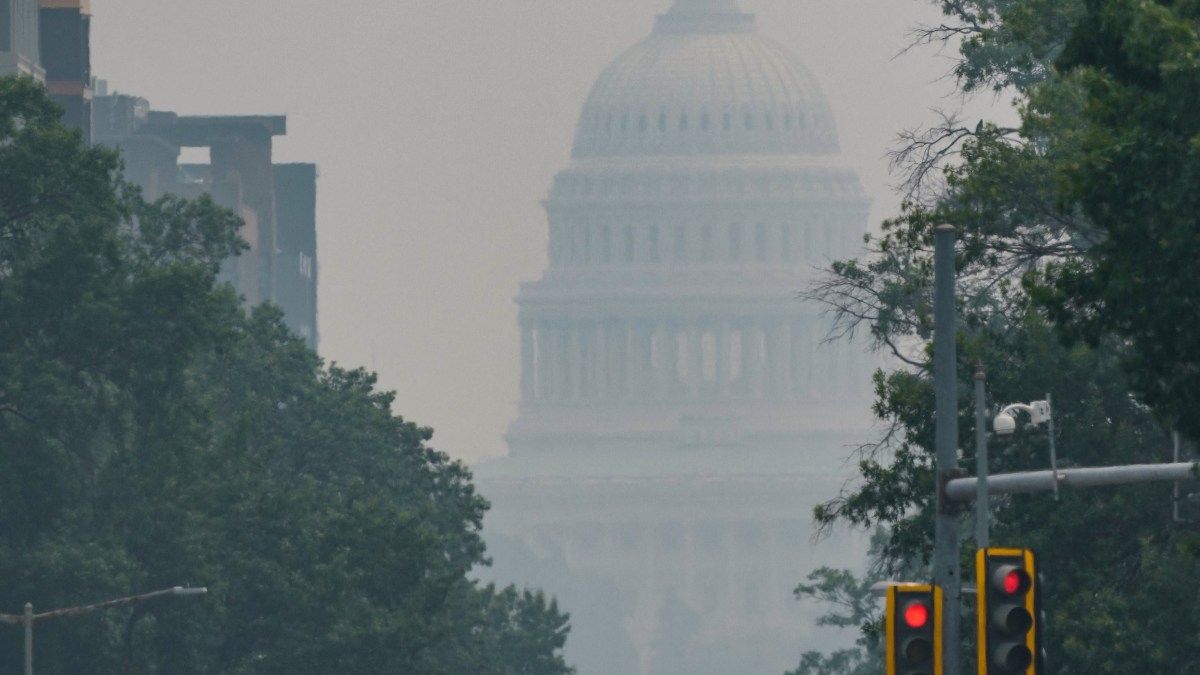
The recent wildfires in Canada have sparked a complex geopolitical crisis, with US President Donald Trump threatening to impose additional tariffs on the country. The wildfires, which have burned over 896 active blazes across Canada, have clouded cities across North America, including the US Capitol in Washington, DC.
Trump's threat to impose tariffs on Canada is not an isolated incident. Since returning to the White House for a second term in January 2025, Trump has consistently used tariffs as a means of pressuring foreign countries to meet his demands. In this case, Trump is blaming Canada's governance for the wildfires, claiming that the country is not properly maintaining its forests and brush.
Trump's behavior is not new. During his first term, he repeatedly attacked California Governor Gavin Newsom over the state's wildfires, blaming the governor's approach to water management and endangered species protections. Similarly, Trump has attacked Canada's fire policy, claiming that the country's refusal to engage in basic forest management and debris removal has led to the wildfires.
The tariff threat has significant regional implications. The wildfires have already prompted concerns about the viability of hosting the FIFA World Cup final in New Jersey this weekend. Moreover, the Trump administration's pushback over its wildfire preparedness has sparked concerns about the country's ability to respond to natural disasters.
The tariff threat is a high-stakes gamble by Trump, with significant consequences for both countries. The imposition of tariffs could lead to a trade war, with both countries suffering economic losses. Moreover, the escalation of tensions between the two nations could have long-term consequences for regional stability.
Scientists have attributed the proliferation of wildfires across North America to a range of factors, including hot and dry conditions worsened by climate change. The risk of damage is also heightened by the increasing number of people living in areas where the wildlands meet urban development.
The tariff threat is a complex issue, with significant geopolitical implications. Trump's behavior is not new, and his pattern of blame-shifting and tariff threats has significant consequences for both countries. The wildfires are a complex issue, with multiple factors contributing to their spread. The imposition of tariffs could lead to a trade war, with significant economic losses for both countries. The future consequences of this crisis are uncertain, but one thing is clear: the stakes are high, and the outcome will have significant implications for regional stability.
Editor's Note: The analysis is based on publicly available information and may not reflect the full complexity of the issue.
Source referenced: ALJAZEERA
This brief was synthesized by our Editorial Engine and reviewed by The Ground Narrative team.