TRENDING

Thursday, 15 October 2026
----------------------
4 Jumada Al-Awwal 1448 AH
The impending departure of Cuban dissident artist Luis Manuel Otero Alcántara to the US marks a significant development in the island's human rights landscape, with implications for regional relations and future protests.
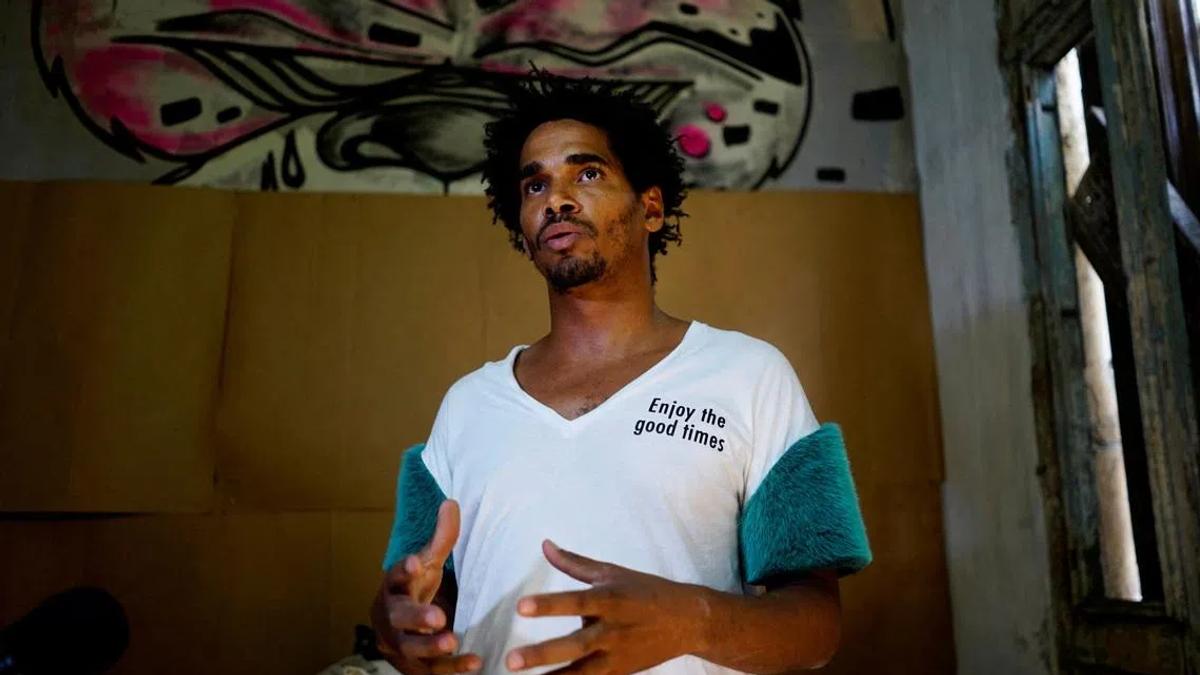
The news of Cuban dissident artist Luis Manuel Otero Alcántara's imminent departure to the US after completing a five-year prison sentence marks a significant development in the island's human rights landscape. Otero Alcántara, a key figure in the opposition San Isidro Movement, was detained in 2021 amidst the largest anti-government protests seen in Cuba in decades.
The Cuban government's decision to grant Otero Alcántara humanitarian parole and facilitate his departure to the US suggests a strategic calculation to alleviate diplomatic tensions with Washington. The cases of Otero Alcántara and rapper Maykel Castillo, who is serving an eight-year prison sentence, have been a recurring source of diplomatic tension between the two nations. The US has consistently criticized Cuba's human rights record, and the news of Otero Alcántara's departure comes days after US Ambassador Michael Waltz criticized Cuba's human rights record during an address at the U.N. General Assembly.
Otero Alcántara's five-year prison sentence was a result of his involvement in the anti-government protests in 2021. The protests, which were the largest seen in Cuba in decades, were met with a heavy-handed response from the Cuban authorities. The government maintains that those imprisoned following the protests had committed crimes, such as arson or public disorder, and that they were not imprisoned for their political activism. However, the international community has widely condemned Cuba's human rights record, and the cases of Otero Alcántara and Castillo have been a focal point of this criticism.
The departure of Otero Alcántara to the US has significant implications for regional relations. The Cuban government's decision to grant him humanitarian parole suggests a desire to alleviate diplomatic tensions with Washington, but it also raises questions about the government's commitment to human rights. The news of Otero Alcántara's departure comes at a time when the region is experiencing increased tensions, with the US and Cuba engaging in a diplomatic standoff over human rights and democracy.
The departure of Otero Alcántara to the US has significant implications for future protests in Cuba. The artist's involvement in the anti-government protests in 2021 was a key factor in the government's decision to detain him. His departure suggests that the government may be willing to tolerate greater levels of dissent, but it also raises questions about the government's ability to maintain control over the island. The news of Otero Alcántara's departure is likely to embolden opposition groups in Cuba, who may see it as a sign that the government is willing to compromise on human rights.
The departure of Cuban dissident artist Luis Manuel Otero Alcántara to the US marks a significant development in the island's human rights landscape. The Cuban government's decision to grant him humanitarian parole and facilitate his departure suggests a strategic calculation to alleviate diplomatic tensions with Washington. However, the news of Otero Alcántara's departure also raises questions about the government's commitment to human rights and its ability to maintain control over the island. The implications of this development will be closely watched by regional leaders and human rights groups in the coming weeks and months.
Editor's Note: The analysis is based on publicly available information and may not reflect the full complexity of the situation.
Source referenced: STRAITSTIMES
This brief was synthesized by our Editorial Engine and reviewed by The Ground Narrative team.