TRENDING

Thursday, 15 October 2026
----------------------
4 Jumada Al-Awwal 1448 AH
Iraq's government has signed dozens of agreements with Western oil companies, including a deal to revive the Iraq-Syria pipeline, in a bid to reduce its dependence on the Strait of Hormuz. The move has significant implications for regional stability and global energy markets.
Iraq's government has taken a significant step towards reducing its dependence on the Strait of Hormuz, a critical waterway that connects the Persian Gulf to the Arabian Sea. The country has signed dozens of agreements with Western oil companies, including a deal to revive the Iraq-Syria pipeline, which runs from the oil-rich Kirkuk region in northern Iraq to Syria's Mediterranean port of Baniyas.
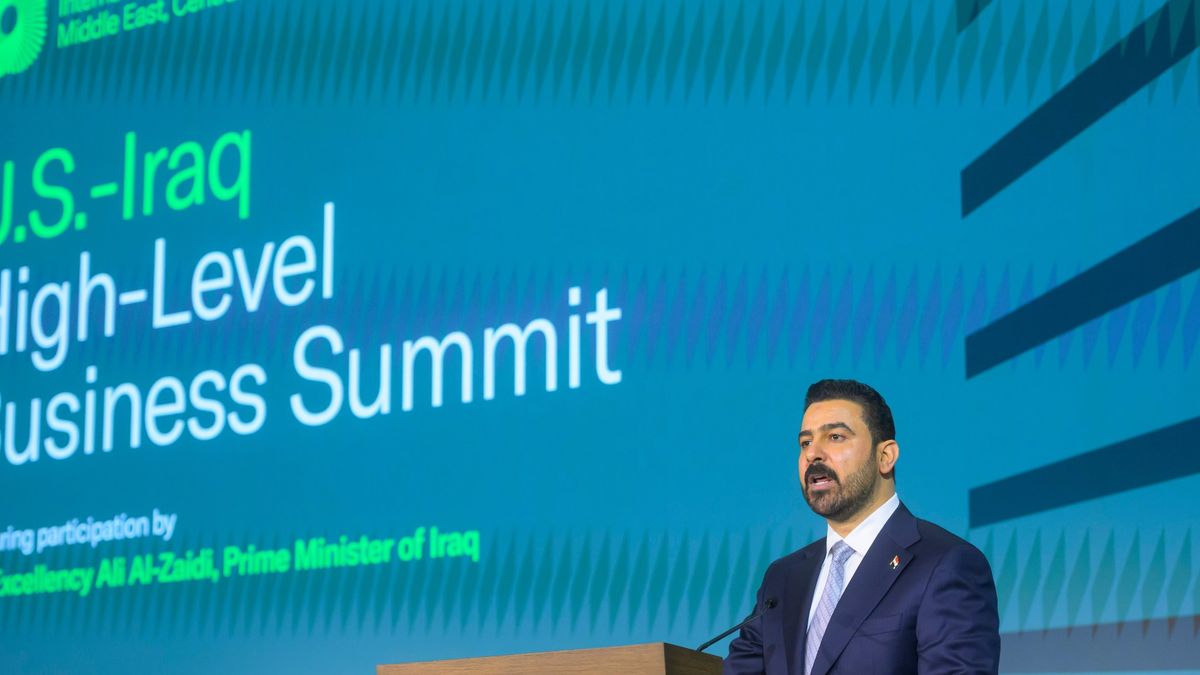
The preliminary deals, signed at a US-Iraq business summit in Washington, come as Baghdad seeks to diversify its energy exports and reduce its reliance on the Strait of Hormuz, where transit has been heavily disrupted due to the US-Israel war against Iran. The move has significant implications for regional stability and global energy markets.
Iraq's decision to revive the Syria pipeline is driven by a desire to reduce its dependence on the Strait of Hormuz, which has been a source of tension in the region. The US-Israel war against Iran has disrupted transit through the waterway, leading to a significant increase in oil prices. By reviving the Syria pipeline, Iraq aims to create an alternative energy corridor that will allow it to export its oil to Mediterranean markets without relying on the Strait of Hormuz.
The Iraq-Syria pipeline was first constructed in the 1980s, but it was damaged during the Iraq War and has remained defunct ever since. The revival of the pipeline is a significant development, as it will allow Iraq to tap into a new market and reduce its reliance on the Strait of Hormuz. The deal is also seen as a strategic move by Iraq to strengthen its ties with Syria and other regional players.
The revival of the Syria pipeline has significant implications for regional stability. It will allow Iraq to reduce its dependence on the Strait of Hormuz, which has been a source of tension in the region. The move will also strengthen Iraq's ties with Syria and other regional players, which could have a positive impact on regional stability.
The revival of the Syria pipeline will have significant consequences for global energy markets. It will allow Iraq to tap into a new market and reduce its reliance on the Strait of Hormuz, which will have a positive impact on oil prices. The move will also strengthen Iraq's ties with Syria and other regional players, which could have a positive impact on regional stability.
Iraq's decision to revive the Syria pipeline is a significant development that has significant implications for regional stability and global energy markets. The move is driven by a desire to reduce Iraq's dependence on the Strait of Hormuz, which has been a source of tension in the region. The revival of the pipeline will allow Iraq to tap into a new market and reduce its reliance on the Strait of Hormuz, which will have a positive impact on oil prices and regional stability.
Editor's Note: The analysis is based on publicly available information and does not reflect any confidential or sensitive information.
Source referenced: ALJAZEERA
This brief was synthesized by our Editorial Engine and reviewed by The Ground Narrative team.


