TRENDING

Wednesday, 14 October 2026
----------------------
3 Jumada Al-Awwal 1448 AH
Germany's Chancellor Friedrich Merz and French President Emmanuel Macron announce a new shared 'deterrence' strategy, marking a significant shift in European defense cooperation amid growing uncertainty over US security commitments.
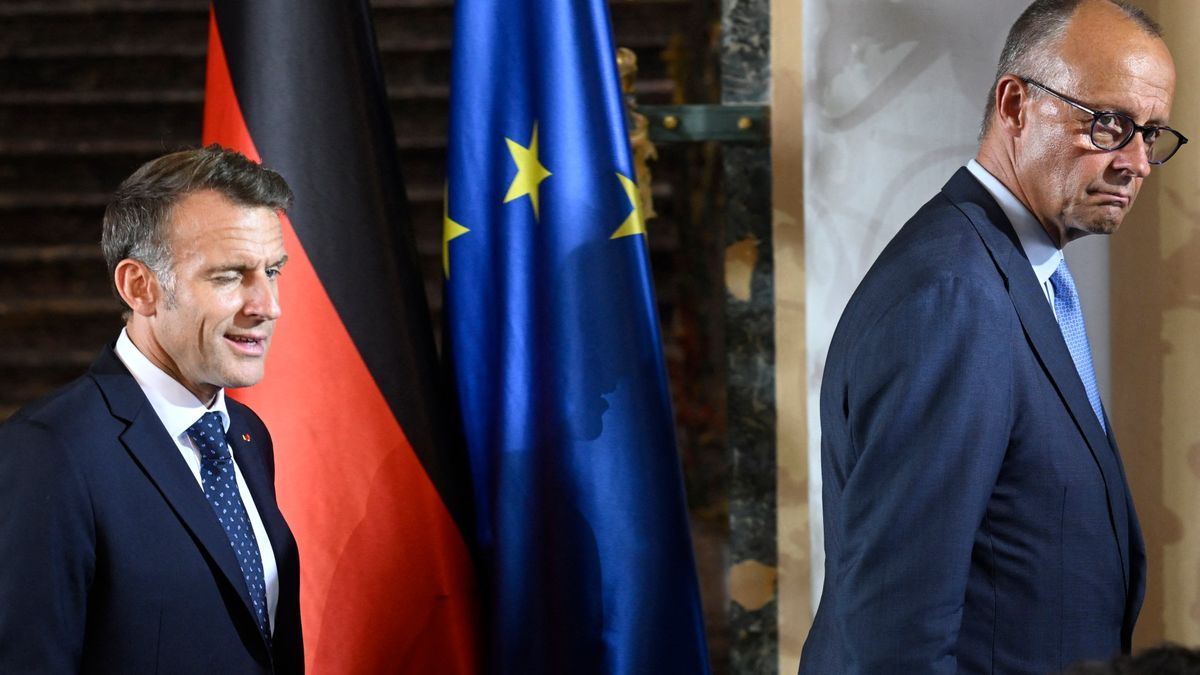
Germany's Chancellor Friedrich Merz and French President Emmanuel Macron have announced a new shared 'deterrence' strategy, marking a significant shift in European defense cooperation amid growing uncertainty over US security commitments. The move involves Germany's military participating in a French nuclear drill for the first time this year, as part of a new shared doctrine.
The decision to strengthen nuclear deterrence cooperation between Germany and France comes at a time when the transatlantic security alliance is facing significant challenges. Washington has revealed plans to cut some military assets assigned to NATO operations in Europe, and US President Donald Trump has repeatedly criticized the alliance. This has led to growing uncertainty over US security commitments, prompting European countries to reassess their defense strategies.
Germany's decision to participate in a French nuclear drill marks a significant shift in the country's defense policy. Previous German leaders have refused offers of nuclear cooperation with France, but Chancellor Merz has emphasized that the world requires new answers. The move is seen as a response to the growing uncertainty over US security commitments and a desire to enhance European defense self-reliance.
The strengthening of nuclear deterrence cooperation between Germany and France has significant regional implications. It marks a significant shift in the balance of power in Europe, with Germany and France taking a more prominent role in shaping the continent's defense strategy. The move is also likely to have implications for other European countries, which may be encouraged to strengthen their own defense capabilities.
The future consequences of Germany and France's strengthened nuclear deterrence cooperation are uncertain. However, it is likely to have significant implications for the transatlantic security alliance and the balance of power in Europe. The move may also have implications for the UK, which has expressed interest in the French initiative.
The strengthening of nuclear deterrence cooperation between Germany and France marks a significant shift in European defense cooperation amid growing uncertainty over US security commitments. The move is a response to the changing global security landscape and a desire to enhance European defense self-reliance. As the world continues to evolve, it is likely that we will see further shifts in the balance of power in Europe and the strengthening of nuclear deterrence cooperation between European countries.
Source referenced: ALJAZEERA
This brief was synthesized by our Editorial Engine and reviewed by The Ground Narrative team.