TRENDING

Thursday, 15 October 2026
----------------------
4 Jumada Al-Awwal 1448 AH
Japan's parliament has revised the imperial succession laws, but the changes do not address the core issue of excluding women from the line of succession. The reforms aim to safeguard the bloodline, but they may ultimately undermine public support for the symbolic Emperor system.
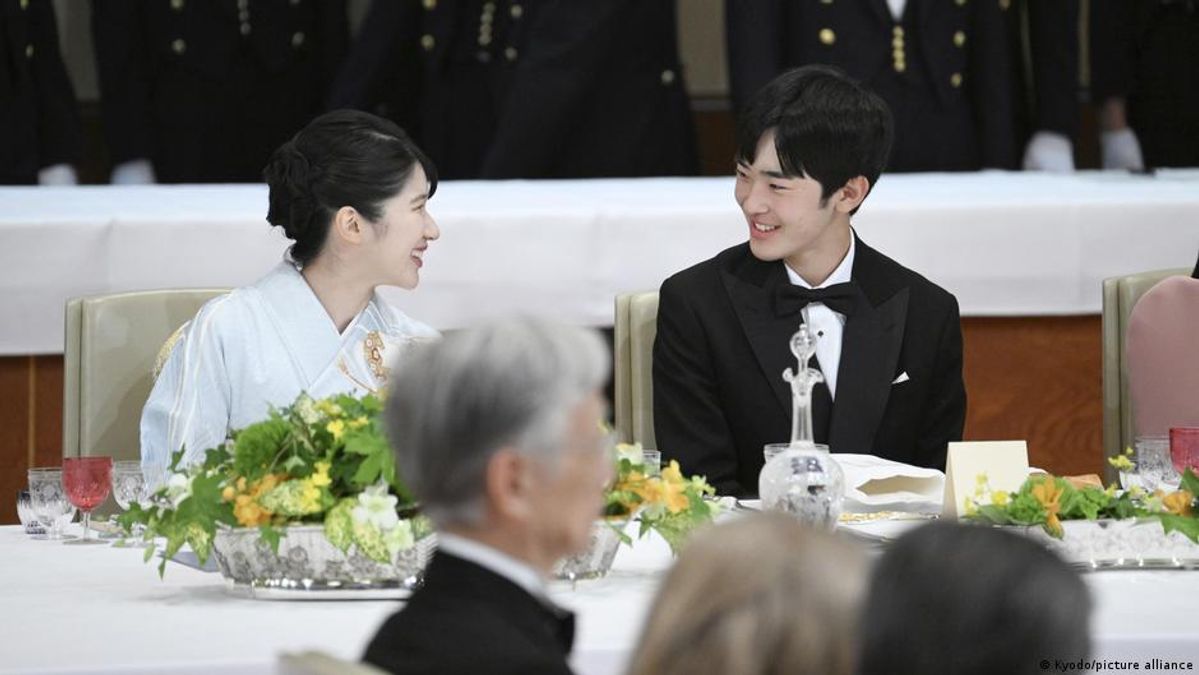
The Japanese parliament's recent revision of the imperial succession laws has sparked debate and controversy. While the changes aim to safeguard the bloodline, they do not address the core issue of excluding women from the line of succession. This raises questions about the future of the imperial system and its relevance in modern Japan.
The imperial family's numbers have been dwindling for decades, and the current patrilineal system excludes all female heirs and their children from the line of succession. This means that Princess Aiko, Emperor Naruhito's only child, is ineligible to inherit the throne. The reforms aim to address this issue by allowing the royal family to adopt distant male relatives back into the fold, but this change is complex and contentious.
The reforms have been met with resistance from within the Liberal Democratic Party (LDP), with some members opposing the changes. The LDP's conservative base has been accused of harboring attitudes akin to male chauvinism, which may have contributed to the party's opposition to the reforms. The amendments risk undermining public support for the symbolic Emperor system, as they may not reflect public opinion.
Japan's imperial system has a long history, dating back over 2,500 years. However, the rules that formally excluded women from eligibility to be emperor only date back to 1890. The current system is a relic of the past, and its continued relevance is a matter of debate. The reforms may be seen as a step forward, but they do not address the core issue of excluding women from the line of succession.
The reforms may have significant consequences for the future of the imperial system. If the bloodline were to end, the line of succession would be unclear, and the imperial system may be at risk of collapse. The reforms aim to safeguard the bloodline, but they may ultimately undermine public support for the symbolic Emperor system. The strategic motivations behind the reforms are unclear, but they may be driven by a desire to maintain the status quo and preserve the power of the imperial family.
Japan's imperial succession reforms are a symbolic but limited step forward. While the changes aim to safeguard the bloodline, they do not address the core issue of excluding women from the line of succession. The reforms may have significant consequences for the future of the imperial system, and their impact will be closely watched in the coming years.
Editor's Note: The analysis is based on publicly available information and may not reflect the full complexity of the issue.
Source referenced: DW
This brief was synthesized by our Editorial Engine and reviewed by The Ground Narrative team.