TRENDING

Monday, 5 October 2026
----------------------
24 Rabi' Al-Thani 1448 AH
A recent Ukrainian strike on Russia's Belgorod region has resulted in civilian casualties and significant damage to energy infrastructure, underscoring the escalating nature of cross-border hostilities. This incident highlights Ukraine's strategy to disrupt Russian logistical and civilian support for the ongoing conflict, mirroring tactics previously employed by Moscow.
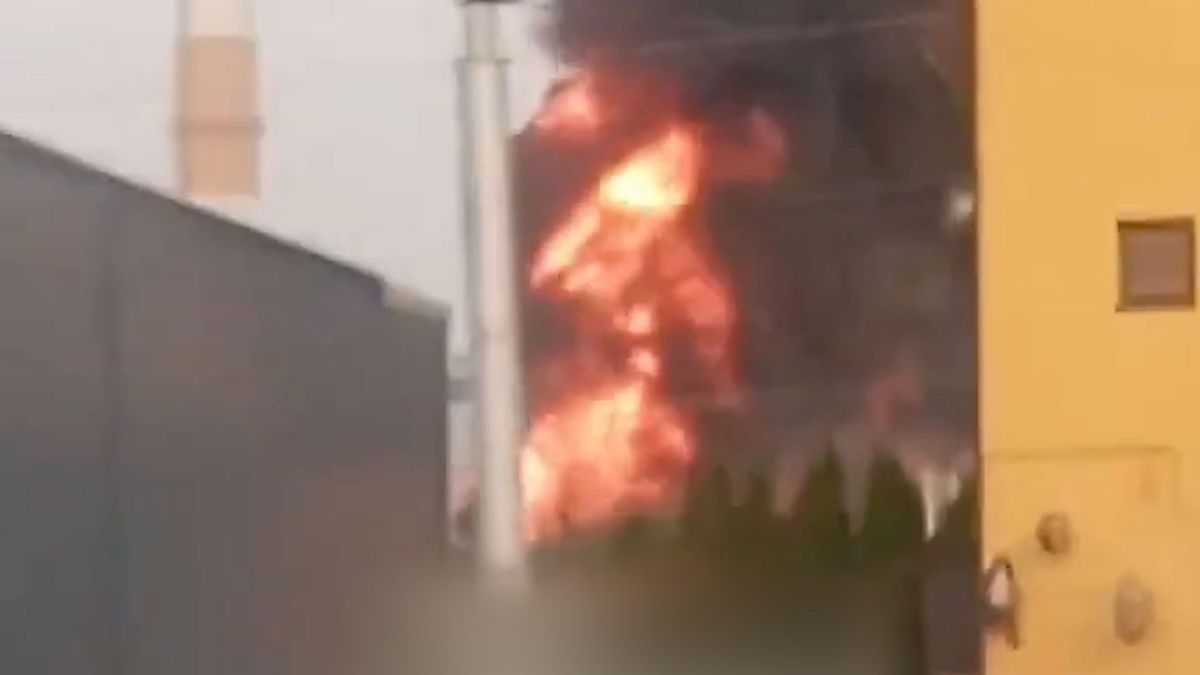
On July 3, 2026, the Russian city of Belgorod, located near the Ukrainian border, was subjected to a Ukrainian strike that Russian authorities reported caused a fire, extensive damage to energy infrastructure, and resulted in power and water outages. Tragically, one woman was reported killed in the incident. This event marks a continuation of Ukraine's strategy to extend the conflict beyond traditional front lines, directly impacting Russian territory and its civilian and strategic assets.
The targeting of Belgorod's energy infrastructure by Ukrainian forces carries significant strategic implications. Energy facilities are critical components of a nation's ability to sustain both its civilian population and its military operations. By disrupting power and water supplies, Ukraine aims to achieve several objectives:
* Degrade Russian Warfighting Capacity: Interrupting power can hinder military logistics, communications, and the functioning of industrial facilities that support the war effort.
* Impose Economic and Social Costs: Power and water outages directly affect civilian life, potentially generating public discontent and increasing the domestic pressure on the Russian government regarding the ongoing conflict.
* Demonstrate Capability and Resolve: Such strikes showcase Ukraine's ability to project force deep into Russian territory, signaling its resolve to retaliate against Russian aggression and disrupt its rear areas.
This strategy mirrors Russia's own tactics, which have frequently involved targeting Ukraine's energy grid, particularly during colder months, to undermine civilian morale and national resilience. The reciprocal nature of these infrastructure attacks underscores the brutal and comprehensive character of the conflict.
The Belgorod region has frequently been a target of cross-border shelling and drone attacks since the full-scale invasion began. Its proximity to the Ukrainian border makes it a critical logistical hub for Russian forces operating in Ukraine, but also renders it vulnerable to Ukrainian counter-attacks. The latest strike, with its reported civilian fatality and widespread utility disruptions, highlights the direct and severe impact of the conflict on Russian border communities.
For residents of Belgorod, these incidents represent a tangible and immediate consequence of the war, transforming a distant conflict into a daily reality of threat and disruption. The Russian government, in turn, utilizes such events to reinforce its narrative of being under direct attack, aiming to galvanize domestic support for its military actions in Ukraine.
The strike on Belgorod is not an isolated incident but part of a broader pattern of escalation in the conflict. As the war progresses, both sides have demonstrated a willingness to target critical infrastructure and strategic assets far from the immediate front lines. This trend suggests a prolonged and increasingly destructive conflict, where the lines between military and civilian targets become increasingly blurred, particularly in the context of dual-use infrastructure like power grids.
Internationally, such attacks contribute to the perception of a conflict with no clear end in sight, one that continues to pose significant risks to regional stability. While the immediate focus remains on the battlefield, the strategic targeting of infrastructure on both sides indicates a long-term strategy of attrition, aiming to weaken the opponent's capacity to wage war and sustain its population. The international community continues to monitor these developments closely, as the potential for further escalation and the humanitarian consequences remain a grave concern.
Source referenced: ALJAZEERA
This brief was synthesized by our Editorial Engine and reviewed by The Ground Narrative team.


