TRENDING

Wednesday, 14 October 2026
----------------------
3 Jumada Al-Awwal 1448 AH
President Volodymyr Zelensky has announced a significant government reshuffle in Ukraine, including a new Prime Minister and changes in law enforcement leadership. This move, framed as a "renewal" and part of a "new political strategy," comes at a critical juncture in the nation's protracted conflict.
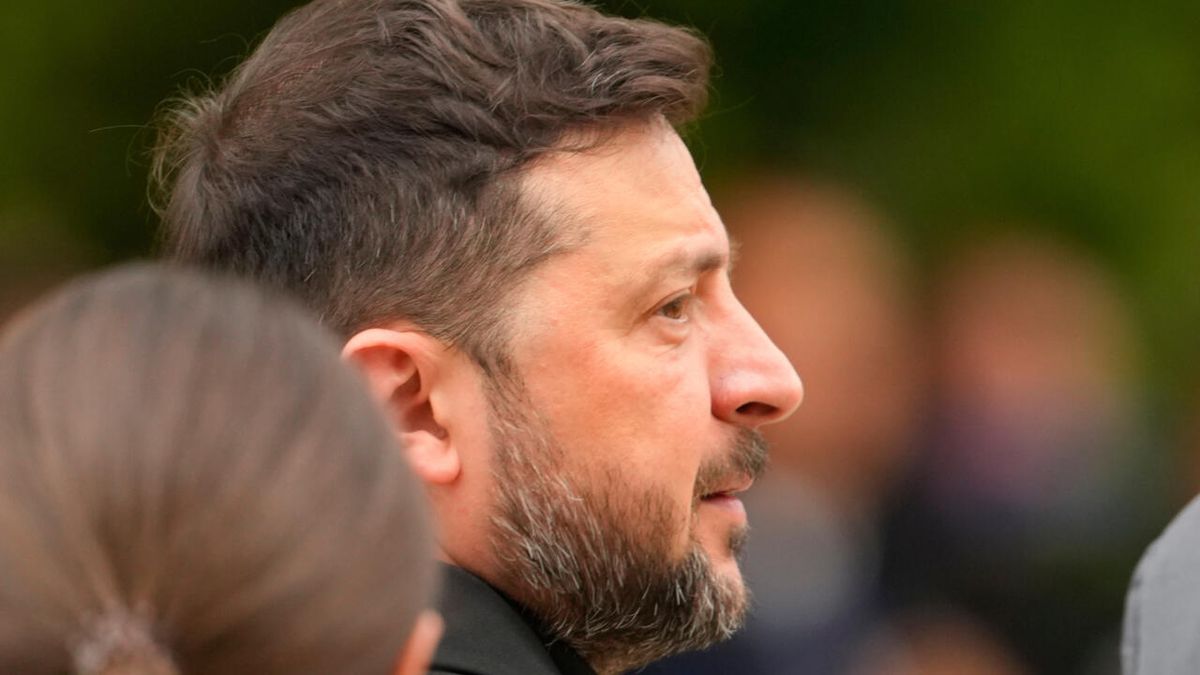
On July 13, 2026, Ukrainian President Volodymyr Zelensky announced a significant overhaul of his government, signaling a "new political strategy" and calling for a "renewal of the Cabinet of Ministers." This major reshuffle includes the departure of Prime Minister Yulia Svyrydenko, who has been offered a new, high-level role focused on relations with a "key international partner." Additionally, the Ukrainian leader indicated planned changes among the heads of law enforcement agencies. While no specific reasons were publicly provided for the shake-up, these developments occur at a critical juncture for Ukraine, which remains embroiled in a protracted conflict with Russia.
The timing and scope of this government reshuffle suggest a deeper strategic motivation beyond routine administrative adjustments. In a nation at war, stability and efficiency in governance are paramount. President Zelensky's call for a "renewal" and a "new political strategy" can be interpreted in several ways, all pointing to an adaptation to the evolving realities of the conflict and Ukraine's long-term objectives. It may reflect a need to enhance the government's effectiveness in prosecuting the war, streamline decision-making processes, or address internal challenges such as corruption or bureaucratic inefficiencies that could impede the war effort or post-conflict recovery.
Furthermore, a "new political strategy" could signify a re-evaluation of Ukraine's military approach, diplomatic engagements, or internal reform agenda. This might involve a renewed focus on specific sectors, such as defense industrial capacity, economic stabilization, or judicial reforms, all of which are crucial for Ukraine's resilience and its aspirations for Euro-Atlantic integration. Such changes are often undertaken to inject new energy and perspectives into leadership, ensuring that the government remains agile and responsive to both domestic pressures and the dynamic geopolitical landscape.
The transition of Prime Minister Yulia Svyrydenko to a new role focused on "relations with a key international partner" is particularly noteworthy. This move underscores the critical importance of international support—be it financial aid, military assistance, or diplomatic backing—for Ukraine's survival and eventual reconstruction. Elevating a senior official to specifically manage ties with a crucial ally suggests a strategic intent to deepen these relationships, potentially to secure long-term commitments for security, economic recovery, or post-war reconstruction. It highlights that Ukraine's future is inextricably linked to the strength and reliability of its international partnerships.
Concurrently, the announced changes among the heads of law enforcement agencies are significant for internal governance and security. These shifts could be aimed at strengthening the rule of law, combating organized crime, improving military mobilization efforts, or enhancing accountability within the security apparatus. In a wartime context, robust and trustworthy law enforcement is vital not only for maintaining internal order but also for projecting an image of stability and commitment to reforms, which is crucial for maintaining international confidence and investment.
Domestically, this reshuffle could aim to consolidate presidential authority, address public sentiment regarding government performance, or prepare the ground for future political transitions. Internationally, Ukraine's allies will likely scrutinize these changes for signs of strengthened governance, continued commitment to democratic reforms, and a clear strategic direction for the war and post-war period. A perception of stability and effective leadership is vital for maintaining the flow of critical international aid and political support.
Conversely, Russia may attempt to portray these internal changes as a sign of instability or disarray within the Ukrainian government. However, if managed effectively, such a reshuffle can demonstrate adaptability and a proactive approach to national challenges. The ultimate impact of this government overhaul will depend on the caliber of the new appointments, the clarity and effectiveness of the "new political strategy," and the government's ability to demonstrate tangible progress on both the battlefield and the home front. The coming months will reveal the full implications of President Zelensky's strategic decision to renew his cabinet and recalibrate Ukraine's political direction amidst ongoing conflict.
Source referenced: FRANCE24
This brief was synthesized by our Editorial Engine and reviewed by The Ground Narrative team.


