TRENDING

Monday, 5 October 2026
----------------------
24 Rabi' Al-Thani 1448 AH
Ukrainian drone attacks on Russia's largest e-commerce warehouses are disrupting a vast logistics network, threatening small businesses and exposing the economic vulnerability of ordinary citizens.
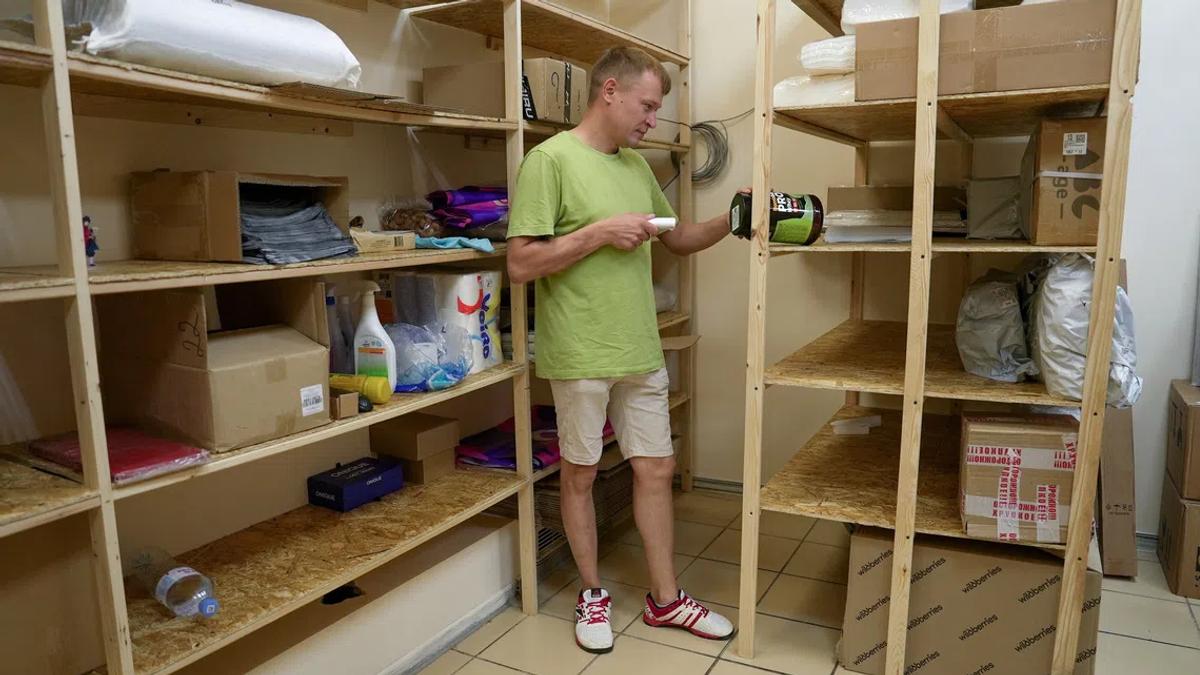
In a sustained campaign over three weeks, Ukrainian drones have targeted warehouses belonging to Wildberries, Russia's leading e-commerce retailer, across the country. These near-nightly attacks, commencing July 18, have damaged or destroyed at least 20 company sites, including over a fifth of its storage capacity—an estimated 1.18 million square meters. Ukraine states these strikes are intended to "bring the war home" to ordinary Russians and raise the economic cost of the conflict, alleging Wildberries' vast network facilitates the movement of dual-use goods for Russia's military. Russia denies these claims, asserting Wildberries does not supply its army, and has retaliated with strikes on Ukrainian commercial warehouses, also claiming they stored dual-use components.
Ukraine's strategy leverages asymmetric warfare to target Russia's economic soft underbelly. By striking Wildberries, which handles goods and services equivalent to 8.5% of Russia's economy, Kyiv aims to create widespread disruption. This isn't merely about destroying inventory; it's about crippling the logistics backbone of a significant economic sector. The attacks complicate the Russian central bank's efforts to manage inflation and interest rates, as supply shocks can exacerbate price pressures. Major lenders like Sberbank are already anticipating increased loan-loss provisions, signaling a ripple effect through the financial system. The Kremlin is now reportedly discussing state support for Wildberries and its sellers, indicating the severity of the economic blow and the state's recognition of the potential for widespread bankruptcies. This forces Moscow to divert resources to prop up its domestic economy, potentially at the expense of other priorities, while simultaneously trying to maintain a narrative of economic resilience.
The most immediate and profound impact falls on ordinary Russian citizens and small business owners far from the front lines. Vasily Klimov, who runs a Wildberries pick-up point in Moscow, has seen his sales plummet by 50% and his business become loss-making, forcing him to desperately seek a buyer. He is one of 98,000 such franchise operators. Tens of thousands of small businesses that rely on Wildberries to sell their products online are facing similar devastation, losing stock and revenue. The attacks have also tragically claimed human lives, with at least 13 people killed in the Russian warehouse strikes and 17 in retaliatory Ukrainian strikes on similar facilities. A source close to the Kremlin openly admitted that a "wave of bankruptcies" among small and medium-sized businesses is likely, representing a "significant blow to the economy" that no one has the money to fully support. These are the people who bear the direct, tangible cost of a conflict they have little agency over.
While official statements from Moscow focus on denying military links to Wildberries and retaliating against alleged Ukrainian dual-use facilities, they largely downplay the widespread domestic economic pain and the vulnerability of Russia's civilian infrastructure. The Kremlin's public discussion of potential state support for Wildberries – including loans, tax breaks, and subsidies – is an implicit admission of the severe economic damage and the state's concern about social stability. What's omitted is the true scale of the financial ruin for individual entrepreneurs and small enterprises, many of whom are not counting on government compensation. The narrative from Moscow aims to project control and resilience, but the reality on the ground, evidenced by over 3,100 Wildberries pick-up points listed for sale on Avito, tells a different story of economic distress and a war that is increasingly touching daily life for ordinary Russians.
Moving forward, observers should watch for the sustained frequency and targeting precision of Ukrainian drone attacks on Russian economic infrastructure, and Moscow's ability to adapt its defenses. The real test for Russia's economy will be how effectively its central bank can manage inflation and interest rates amidst these supply shocks, and whether the proposed government support for Wildberries can genuinely prevent a widespread wave of bankruptcies among small businesses. The public's reaction to increasing economic hardship and the perception of the state's inability to protect its domestic economy will be a critical indicator of internal stability. Finally, the evolution of Ukraine's "bring the war home" strategy, and Russia's retaliatory measures, will continue to define this new phase of the conflict, where economic infrastructure becomes a primary battleground far beyond the front lines.
Source referenced: STRAITSTIMES
This brief was synthesized by our Editorial Engine and reviewed by The Ground Narrative team.


