TRENDING

Sunday, 25 October 2026
----------------------
14 Jumada Al-Awwal 1448 AH
Olara Otunnu, a veteran Ugandan diplomat, has entered the contest to become the next UN Secretary-General, joining a diverse field of candidates vying to lead the organization at a critical juncture. The selection process is set to intensify, with geopolitical considerations, regional representation, and the imperative for institutional reform dominating the discourse.
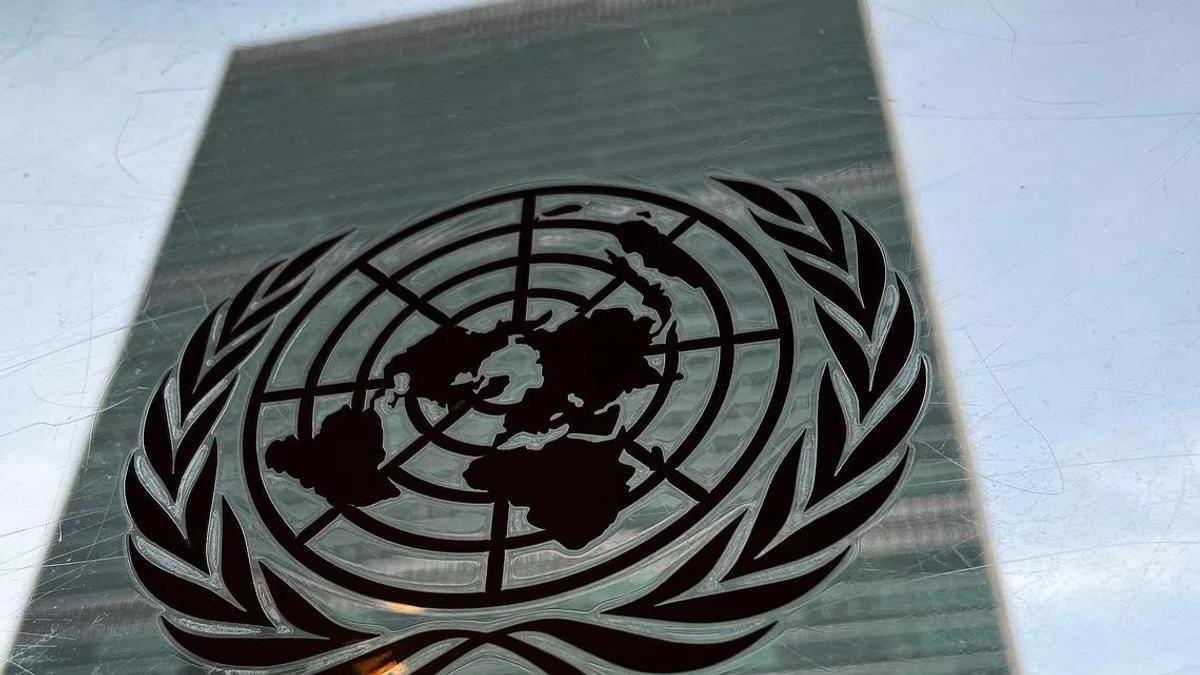
The United Nations is poised for a significant leadership transition as Ugandan diplomat Olara Otunnu, 75, officially joined the race to become the next Secretary-General. His nomination by Uganda, conveyed in a letter to the presidents of the UN General Assembly and Security Council on Friday, July 26, 2026, brings the total number of contenders to seven. Otunnu, a former UN under-secretary-general and special representative for children and armed conflict, seeks to succeed Antonio Guterres, who will conclude his second five-year term at the end of this year.
This succession battle unfolds at a pivotal moment for the global body. The next Secretary-General will inherit an organization grappling with what the article describes as a "crisis and declining stature," facing increasing pressure to undertake significant institutional reforms, streamline its "bloated, costly bureaucracy," and eliminate duplication across its numerous agencies. Otunnu's vision statement directly addresses these challenges, emphasizing the continuation of institutional reforms and prioritizing efforts to resolve major international conflicts. Furthermore, he has pledged to establish a body to oversee the UN's engagement with artificial intelligence and underscored the necessity of climate change action that simultaneously supports economic development.
The selection of the UN Secretary-General is a complex geopolitical exercise, heavily influenced by regional considerations and the formidable power of the Security Council's five permanent members (P5): China, France, Russia, the United Kingdom, and the United States. While there is no obvious frontrunner among the current candidates, a widespread view suggests it is Latin America's turn to provide the UN leader, a sentiment that has garnered considerable support. Concurrently, there is significant advocacy for the appointment of the first woman to the top post, reflecting broader calls for gender equality in global leadership.
Otunnu's candidacy introduces a strong African voice into this intricate calculus, potentially challenging or complementing the prevailing regional expectations. The other candidates represent a diverse array of global experience, including Rafael Grossi of Argentina, Director-General of the International Atomic Energy Agency; former Chilean President Michelle Bachelet; Rebeca Grynspan, a former Vice President of Costa Rica; Maria Fernanda Espinosa, a former foreign affairs and defense minister of Ecuador; Carolyn Rodrigues-Birkett, a former foreign minister of Guyana; and Macky Sall, a former president of Senegal. This diverse field underscores the global nature of the position and the varied diplomatic and political backgrounds considered essential for the role.
The formal selection process is expected to commence in earnest with straw polls within the 15-nation Security Council. These confidential polls are designed to gauge support for each candidate and gradually narrow the field. A critical hurdle for any aspiring Secretary-General is to avoid a veto from any of the P5 members, particularly China, Russia, or the United States, whose geopolitical interests often dictate their preferences. This veto power grants the P5 immense leverage, effectively allowing them to block any candidate they deem unsuitable, regardless of broader support.
For the international community, the choice of the next Secretary-General carries profound implications for global governance, multilateralism, and the UN's capacity to address pressing global challenges. The individual selected will be tasked with navigating an increasingly fragmented world, marked by geopolitical rivalries, humanitarian crises, and existential threats like climate change and the unregulated development of AI. Their ability to revitalize the organization, foster consensus among member states, and champion effective solutions will be crucial for the UN's relevance and legitimacy in the coming decade. Otunnu's extensive diplomatic background and his stated priorities align with many of these critical needs, positioning him as a candidate with a clear understanding of the institutional and global challenges ahead.
Source referenced: STRAITSTIMES
This brief was synthesized by our Editorial Engine and reviewed by The Ground Narrative team.