TRENDING

Monday, 5 October 2026
----------------------
24 Rabi' Al-Thani 1448 AH
As the AK Party marks 25 years, Turkiye's transformation under President Recep Tayyip Erdogan has been marked by democratic consolidation, economic growth, and a newfound role in global politics. But what does this mean for the country's future and its people? The AK Party's ability to navigate successive global and national crises has been rooted in its capacity for 'political translation', turning societal needs into viable policies.
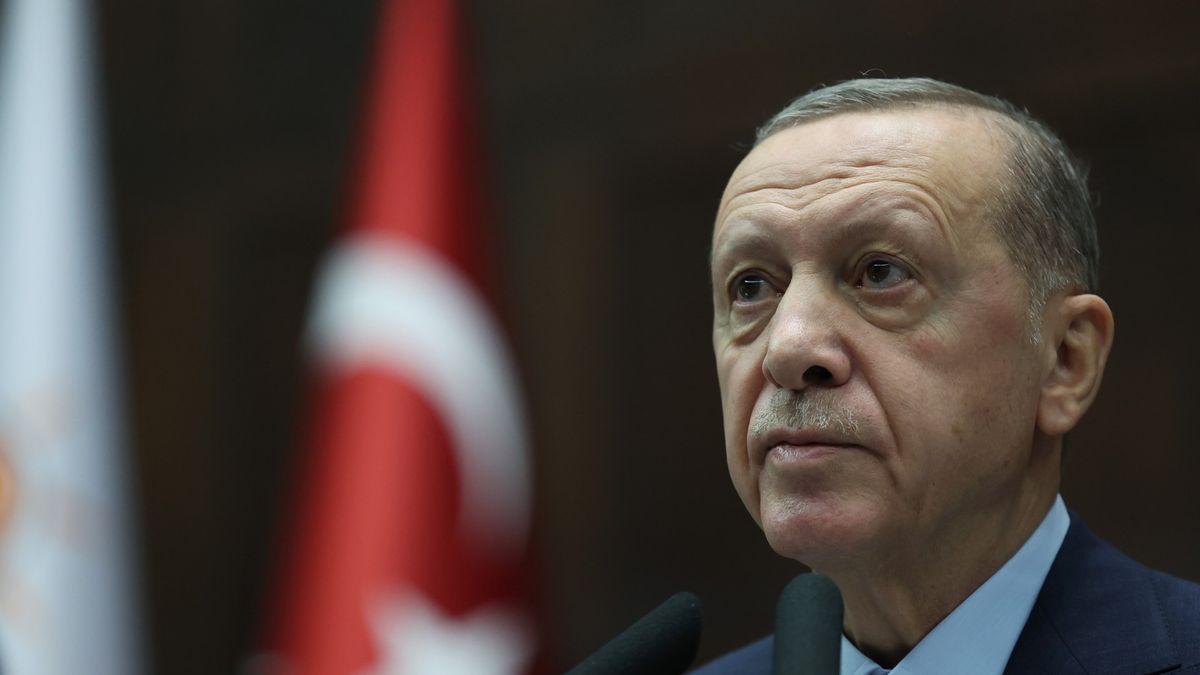
The Justice and Development (AK) Party, founded by Recep Tayyip Erdogan, has marked its 25th anniversary. Since its inception in 2001, the party has overseen a period of significant transformation in Turkiye, from economic development to democratic consolidation. The AK Party's rise to power was swift, coming to office just 16 months after its founding, and it has maintained uninterrupted stability for a quarter of a century.
At the heart of the AK Party's success is its 'capacity for political translation'. This refers to the party's ability to accurately hear the expectations, needs, and objections within society and transform them into viable party programs, budgets, and public policies. This mechanism has allowed the AK Party to maintain the support of vastly diverse social segments over 25 years, explaining its resilience in the face of successive global and national crises.
The people of Turkiye have been the primary beneficiaries of the AK Party's policies. The party's focus on social welfare, economic development, and democratic consolidation has improved the lives of millions. However, the AK Party's authoritarian tendencies and restrictions on civil liberties have also had a human cost. The suppression of dissenting voices, the erosion of judicial independence, and the limitations on freedom of expression have all contributed to a decline in democratic norms.
One aspect of the AK Party's narrative that is often downplayed is the role of external factors in its success. The party's ability to navigate the complexities of international relations, particularly in the Middle East, has been crucial to its survival. The AK Party's stance on issues such as Palestine, Jerusalem, and Gaza has resonated with many in the region, earning Turkiye a reputation as a champion of Muslim causes. However, this has also led to tensions with other regional actors, particularly Israel.
As the AK Party looks to the future, several factors will be crucial in determining its continued success. The party's ability to balance its domestic agenda with its increasingly prominent role in global politics will be a key challenge. The 'Erdogan Doctrine', which emphasizes the need for a more just and equitable international order, has resonated with many, but it also risks alienating traditional allies. The AK Party's commitment to democratic values and human rights will also be under scrutiny, particularly in the face of ongoing concerns about authoritarianism and the suppression of dissent.
Editor's Note: The analysis is based on publicly available information and may not reflect the full complexity of the situation on the ground.
Source referenced: ALJAZEERA
This brief was synthesized by our Editorial Engine and reviewed by The Ground Narrative team.


