TRENDING

Thursday, 22 October 2026
----------------------
11 Jumada Al-Awwal 1448 AH
The ousting of CHP leader Ozel and the formation of his Yeni Parti signal a critical shift in Turkish opposition politics. This development raises concerns about judicial independence and President Erdogan's consolidating power ahead of the 2028 elections.
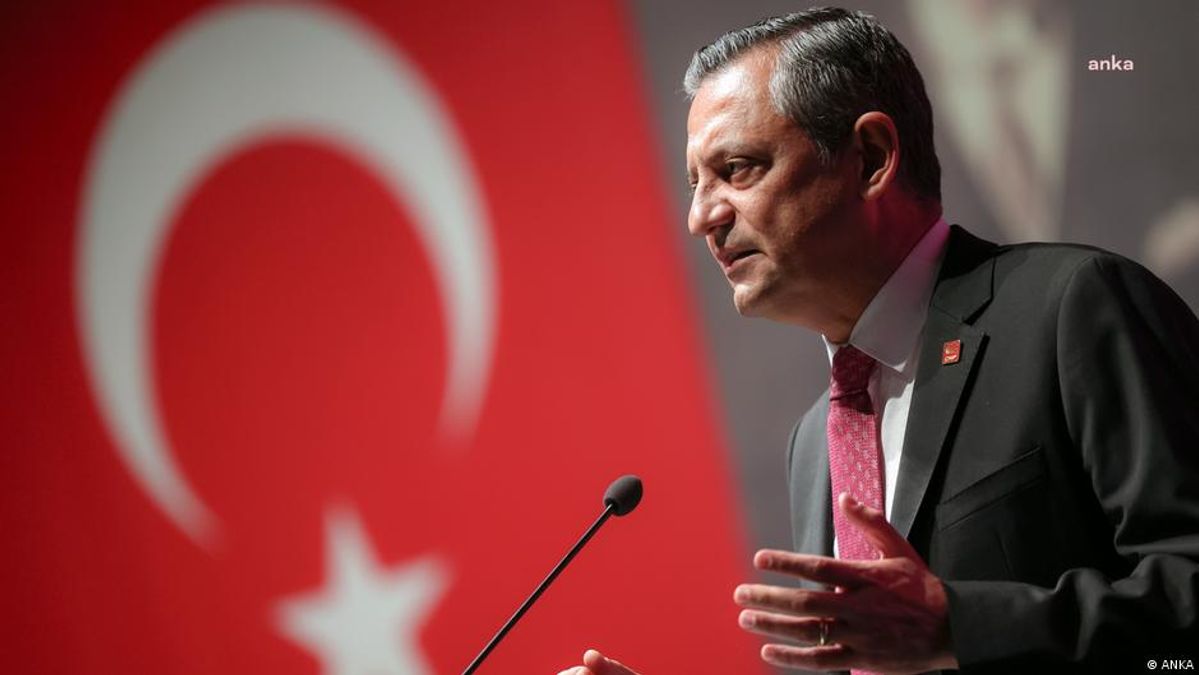
The recent political upheaval in Turkey, marked by the ousting of Republican People's Party (CHP) leader Ozel and the subsequent formation of his new "Yeni Parti" (New Party), signals a significant shift in the country's opposition landscape. This development, unfolding primarily in May and July 2024, raises critical questions about the state of Turkish democracy, judicial independence, and the future trajectory of President Recep Tayyip Erdogan's political dominance ahead of the crucial 2028 presidential elections.
The events began to escalate following the March 2024 local elections, where the center-left CHP, under Ozel's leadership, achieved a historic victory. For the first time in 22 years, the CHP surpassed the ruling Justice and Development Party (AKP) nationwide, securing control of 14 major cities, including the strategically vital Istanbul. This triumph not only revitalized the opposition but also propelled Istanbul Mayor Ekrem Imamoglu into the national spotlight as a formidable potential challenger to President Erdogan in the upcoming presidential race. The success was attributed to Ozel's reformist approach, which broadened the CHP's appeal beyond its traditional secular base by emphasizing social democratic values.
However, this period of opposition resurgence was short-lived. Soon after the local elections, several CHP mayors, including Imamoglu, faced arrests and accusations of corruption and fraud. This was followed by a dramatic turn of events on May 24, when a court ruling declared the 2023 CHP party convention, which had elected Ozel as leader, null and void due to "alleged irregularities." This judicial intervention led to Ozel's removal from leadership, with special forces reportedly surrounding the CHP headquarters in Ankara as Ozel and his allies briefly barricaded themselves inside. The court's decision effectively reinstated Kemal Kilicdaroglu, the former party leader who had presided over two decades of electoral defeats and was widely considered by analysts to be a less formidable opponent for Erdogan.
The swift and decisive judicial actions against prominent opposition figures and the leadership of the largest opposition party have ignited widespread concerns regarding the independence of Turkey's judiciary. Critics argue that these interventions are politically motivated, designed to weaken and fragment the opposition ahead of the 2028 elections. Experts suggest that these moves serve President Erdogan's strategic interests by eliminating strong challengers like Ozel and Imamoglu, thereby consolidating the ruling AKP's power. The return of Kilicdaroglu, often perceived as an "easier" opponent, further fuels this narrative.
In response to his ousting, Ozel announced the formation of the Yeni Parti (New Party) two months later, in July 2024. This new political entity immediately garnered significant support, with 91 lawmakers defecting from the CHP to join Ozel. This mass exodus positions Yeni Parti as the second-largest party in Turkey's 600-seat parliament, leaving the historic CHP significantly diminished with only 44 seats, making it the fourth-largest.
The emergence of Yeni Parti represents both a potential new force in Turkish politics and a significant challenge to the established order. Polls conducted by the Istanbul-based think tank IstanPol indicate a "broad but conditional potential" for Ozel's new party, with nearly 49% of respondents expressing willingness to vote for or consider it. This support is reportedly driven by sympathy for Ozel and a growing public discontent with perceived judicial interference in party politics. The new party aims to build an inclusive center, rooted in republican and social-democratic principles, potentially attracting voters from across the political spectrum, including nationalist conservatives, pro-Kurdish groups, and even disaffected AKP supporters.
However, the path to becoming a serious contender for the 2028 presidential election is fraught with obstacles. Yeni Parti must establish party structures in at least 41 of Turkey's 81 provinces to be eligible to run, a task made more difficult by the lack of established funding mechanisms available to older parties like the CHP. The biggest challenge, as identified by analysts, will be to unite the diverse and often conflicting expectations of its potential voter base under a cohesive political umbrella, avoiding ideological limitations or a bland, overly centrist platform.
From a geopolitical perspective, the fragmentation of Turkey's opposition and the perceived erosion of judicial independence are significant. Turkey, a crucial NATO ally and a bridge between Europe and Asia, plays a pivotal role in regional stability, energy security, and international diplomacy. A political system where the ruling party can seemingly influence judicial outcomes to sideline opponents raises concerns among international partners about the health of its democratic institutions and the rule of law. The long-term implications could affect Turkey's relations with the European Union, its standing in international forums, and its internal stability, particularly if public trust in democratic processes continues to wane. The coming years will reveal whether Yeni Parti can overcome these challenges and offer a credible alternative, or if the current political maneuvers will further entrench the existing power dynamics in Turkey.
Source referenced: DW
This brief was synthesized by our Editorial Engine and reviewed by The Ground Narrative team.