TRENDING

Sunday, 15 November 2026
----------------------
5 Jumada Al-Thani 1448 AH
The first three‑way summit of Donald Trump, Xi Jinping, and Vladimir Putin took place on the sidelines of the APEC gathering in Shenzhen. While the leaders exchanged rhetoric, the real stakes lie in nuclear arms, energy markets and the people caught in distant wars.
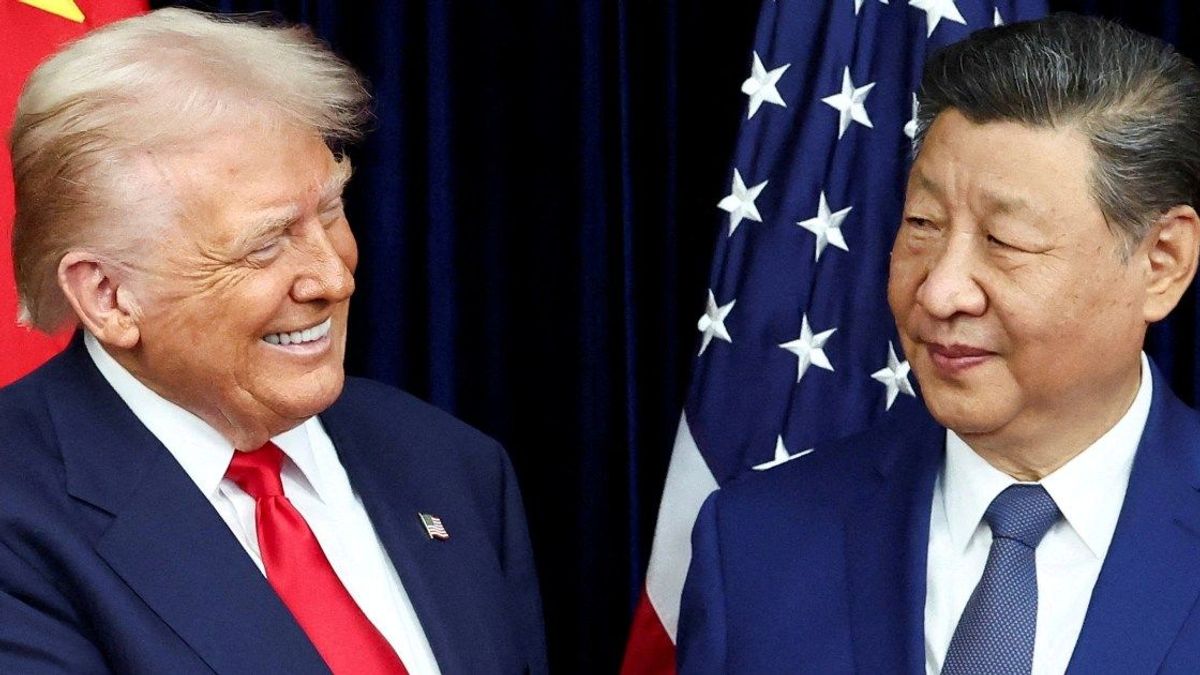
On November 18‑19, 2026, Donald Trump, Xi Jinping and Vladimir Putin gathered for a historic three‑way summit in Shenzhen, China, under the umbrella of the APEC meeting. The three leaders met in a tightly controlled press conference, followed by a series of bilateral talks that were not publicly disclosed. The official agenda listed nuclear non‑proliferation, the ongoing conflict in Iran, and broader trade disputes as topics, but no concrete agreements were announced.
Both United States and Russia have been locked in a dead‑hand stare‑down since the New START treaty lapsed in February 2025. Trump has repeatedly demanded a “new, improved and modernised” pact that would also pull China into the framework, hoping to create a three‑way balance that could legitimize his administration’s hard‑line rhetoric. For Russia, the meeting offers a chance to showcase its nuclear arsenal as a bargaining chip, reinforcing domestic narratives of strength after years of sanctions.
The war in Iran has choked the Strait of Hormuz, a vital artery for China’s oil imports, while Russia enjoys a windfall from soaring energy prices and recent diesel‑sanctions relief from Washington. By positioning himself as a mediator, Trump hopes to extract concessions that could lower global fuel costs—a political win ahead of a Democrat‑controlled Congress. China, meanwhile, seeks to protect its energy supply lines without being forced into a nuclear treaty it helped design.
The chip war that began in 2024 escalated after the Nvidia scandal, with the United States accusing China of espionage. Tariffs have been partially rolled back after earlier bilateral meetings, but both sides continue to weaponise rare‑earth exports and import duties to pressure each other’s high‑tech sectors. For Trump, a visible partnership with Xi can be spun as a triumph over “globalist” opposition at home, while Xi uses the summit to signal that Beijing will not be bullied into agreements that lack Chinese input.
All three leaders face waning legitimacy at home. Trump is navigating a post‑midterm landscape where a Democratic Congress may revive Ukraine aid and tighten sanctions on Russia. Putin must demonstrate to a Russian public still reeling from war fatigue that he remains a global power broker. Xi contends with a Chinese economy that is slowing under export pressures and demographic challenges. The trilateral meeting, therefore, is as much a stage for personal political theater as it is a diplomatic forum.
The closure of the Strait of Hormuz has kept oil and gas prices volatile. In Europe, households are paying up to 30 % more for heating, while China’s manufacturing sector faces higher input costs that translate into lower wages for factory workers. The ripple effect reaches South Korea and Japan, where consumers see grocery bills rise as transport costs climb.
The tit‑for‑tat tariffs on rare‑earth minerals and chip components have forced factories in Taiwan, South Korea, and Malaysia to cut shifts or lay off staff. Young engineers, many of whom entered the field hoping for stable, high‑pay jobs, now confront an uncertain market as firms delay capital projects.
The Iran‑United States conflict has already claimed thousands of civilian lives along the Persian Gulf, with Iranian missile strikes targeting commercial vessels. In Ukraine, the war continues unabated; despite diplomatic overtures elsewhere, the lack of a direct discussion at the summit leaves Kyiv’s civilians without a new avenue for peace. Food insecurity in both regions is worsening as supply chains are disrupted.
Official statements emphasize “constructive dialogue” and “shared responsibility,” yet insiders note that the summit’s schedule left little time for substantive negotiation. The primary output appears to be a series of staged photographs designed for domestic media in the United States, Russia, and China. By focusing on optics, leaders sidestep the hard choices that could alter the strategic balance.
Both Trump and Putin have publicly downplayed the relevance of the Ukraine war to the meeting, framing it as a European issue. This omission masks the fact that any shift in nuclear posturing directly affects the security calculations of NATO members bordering Ukraine. By excluding the conflict, the summit tacitly signals to Kyiv that its fate is not a priority for the three powers.
Trade ministries have released only aggregate figures on tariff reductions, omitting the granular impact on small‑ and medium‑sized enterprises. Likewise, energy ministries in China and Russia have not disclosed how the tentative fuel‑price agreements will be allocated, leaving market participants to speculate and hedge, often at the expense of ordinary consumers.
The next weeks will reveal whether the summit produces any concrete text on a new nuclear framework or remains a symbolic gesture. Analysts should monitor U.S. Treasury filings for changes in sanctions on Russian diesel, track Chinese rare‑earth export licences, and watch for shifts in Iranian naval activity in the Strait of Hormuz. In parallel, any sudden diplomatic overture toward Ukraine from Beijing would indicate a recalibration of the “European issue” narrative. Finally, domestic political polls in the United States, Russia, and China will show whether the leaders’ photo‑ops translate into measurable support at home.
The leaders are slated to discuss a new nuclear arms reduction framework, the ongoing war in Iran, and lingering trade and technology disputes, especially around semiconductor supply chains.
If the meeting leads to any easing of fuel sanctions or tariff adjustments, it could lower energy and goods prices, but the lack of concrete agreements means most households will continue to feel the impact of high oil prices and disrupted tech supply chains.
Editor's Note: Analysis based on publicly available statements and expert commentary; some diplomatic details remain confidential.
Source referenced: ALJAZEERA
This brief was synthesized by our Editorial Engine and reviewed by The Ground Narrative team.