TRENDING

Sunday, 4 October 2026
----------------------
23 Rabi' Al-Thani 1448 AH
US President Donald Trump's executive order on childhood vaccines has sparked controversy among public health experts, who warn that the changes could leave children vulnerable to preventable diseases. The move has significant implications for the future of vaccine policy in the US. As the country experiences its worst measles outbreak in 35 years, critics argue that the order is based on politics and conspiracy theories rather than scientific evidence.
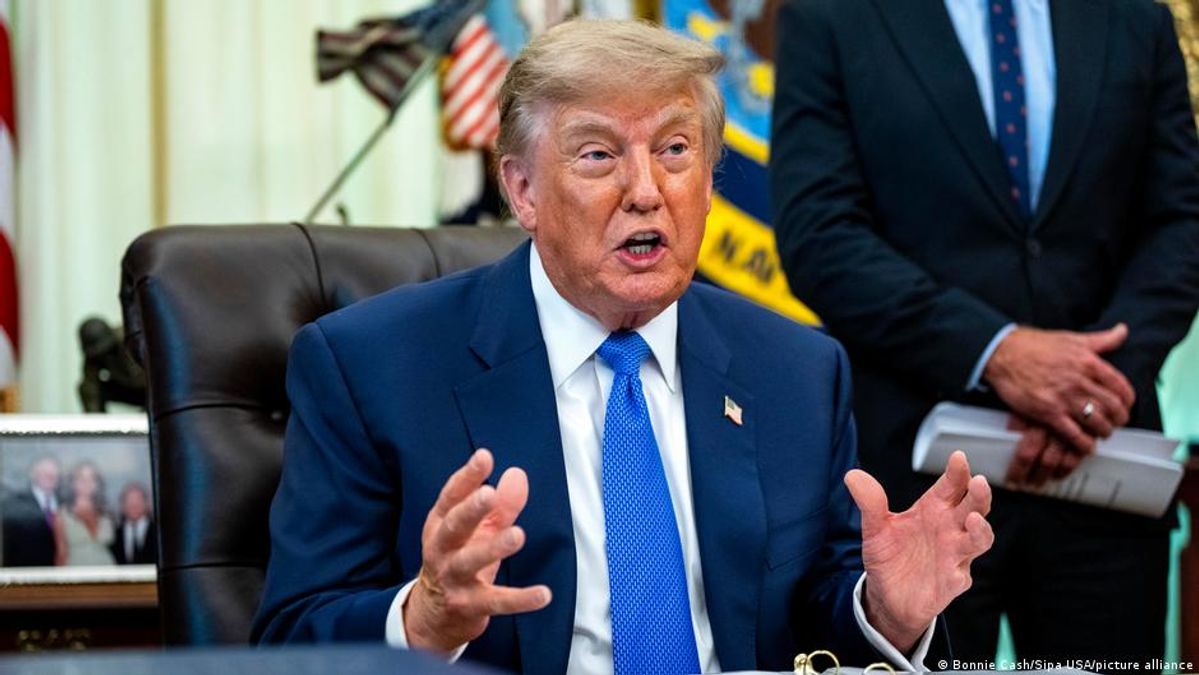
US President Donald Trump has signed an executive order seeking to overhaul the country's childhood vaccine policy, including reducing the number of recommended immunizations and administering them in separate appointments. The order calls for the combined measles, mumps, and rubella (MMR) vaccine to be separated into three single-disease shots. Trump has described the move as a 'major victory for parents' rights, religious and constitutional rights, and for the gold standard science.'
The executive order is a significant development in the ongoing debate over vaccine policy in the US. The move is seen as a victory for anti-vaccine groups, who have long advocated for changes to the childhood vaccine schedule. However, public health experts warn that the changes could have serious consequences, including leaving children vulnerable to preventable diseases. The order also highlights the influence of Health Secretary Robert F. Kennedy Jr., who has long questioned established vaccine recommendations and promoted a disproven link between vaccines and autism.
The human cost of the executive order will be borne by children and families who may be left vulnerable to preventable diseases. Public health experts warn that spreading out vaccine shots over multiple appointments can increase the risk of delayed or missed doses, leaving children unprotected. The order also has significant implications for low-income families, who may struggle to access multiple appointments and vaccinations. Furthermore, the move may exacerbate existing health disparities, as marginalized communities may be disproportionately affected by the changes to the vaccine schedule.
What is being downplayed in the official statements is the potential impact of the executive order on the overall vaccine ecosystem. The development and approval of separate vaccines for measles, mumps, and rubella could take over a decade, according to experts. Additionally, the order may lead to increased vaccine hesitancy, as parents may become more skeptical of the vaccine schedule and the motivations behind the changes. The role of Robert F. Kennedy Jr. in promoting anti-vaccine conspiracy theories is also being downplayed, despite his significant influence on the administration's vaccine policy.
As the controversy over the executive order continues to unfold, readers should watch for the response from state and local health authorities, who will be responsible for implementing the changes to the vaccine schedule. The impact of the order on vaccine hesitancy and the overall vaccine ecosystem will also be crucial to monitor. Furthermore, the upcoming midterm elections may play a significant role in shaping the future of vaccine policy in the US, as politicians may use the issue to mobilize their base and attract voters. The World Health Organization (WHO) and other global health authorities may also weigh in on the controversy, providing guidance and recommendations for vaccine policy that may contradict the Trump administration's approach.
Editor's Note: The analysis is based on publicly available information and may not reflect the full complexity of the issue.
Source referenced: DW
This brief was synthesized by our Editorial Engine and reviewed by The Ground Narrative team.