TRENDING

Sunday, 11 October 2026
----------------------
30 Rabi' Al-Thani 1448 AH
Donald Trump suggested replacing Volodymyr Zelenskyy with a leader willing to negotiate peace, linking the idea to rising diesel prices and US midterms. The proposal reverberates through Kyiv, Moscow, and American voters alike.
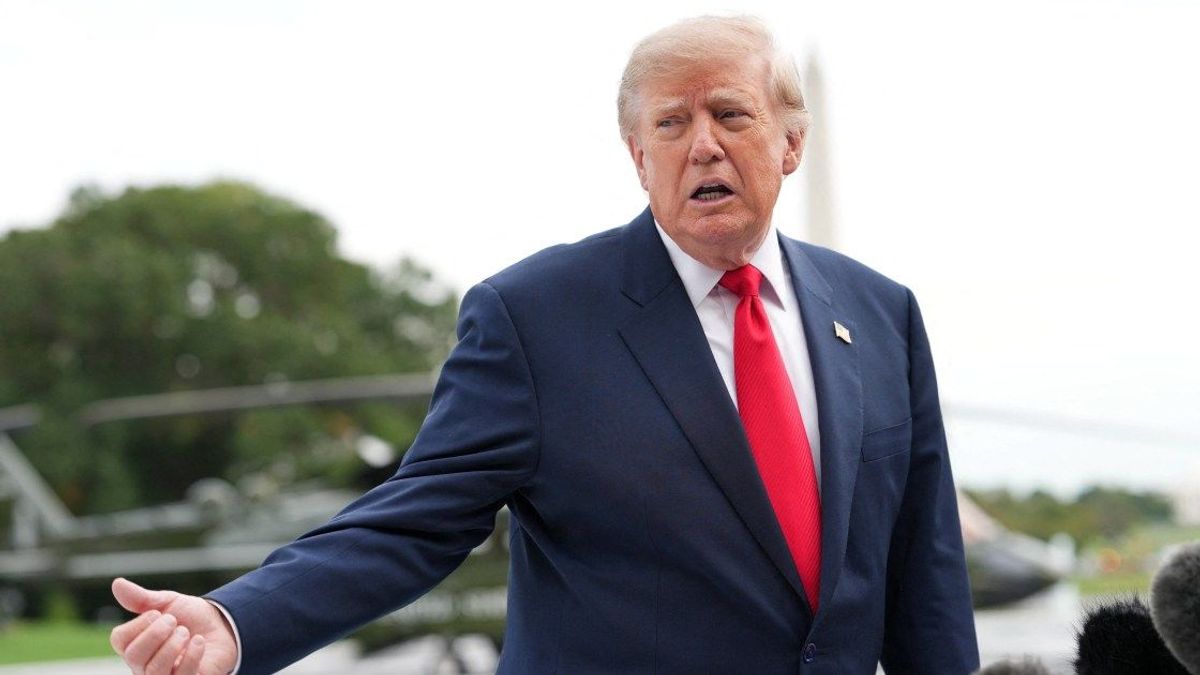
Donald Trump, speaking from the White House, urged that Ukraine replace President Volodymyr Zelenskyy with a leader who would sign a deal to end the war. He framed the call as a response to Kyiv’s recent strikes on Russian oil refineries, which he said were inflating diesel prices ahead of the United States midterm elections. The remarks came just hours after Trump announced a deal to import more than 300,000 tonnes of Russian diesel, with further shipments slated for November and beyond. Ukrainian Foreign Minister Andriy Sybiga defended Zelenskyy, emphasizing that the president enjoys domestic support and that foreign commentary only underscores his effectiveness. Meanwhile, Russian forces continued a long‑range aerial campaign, killing at least 20 civilians in the Zaporizhzhia region. The Kremlin welcomed the diesel deal, while Kyiv warned that every extra dollar of Russian export revenue funds more weapons, drones, and mercenaries. European allies reiterated their commitment to sanctions, casting the United States’ pivot as an outlier. Trump’s statement also referenced a hypothetical 2022 scenario, claiming the war could have been avoided with different U.S. leadership.
Trump’s push intertwines three overlapping incentives. First, domestic politics: diesel price spikes have become a flashpoint in the midterm elections, giving the former president a lever to criticize the current administration and portray himself as the candidate who can lower fuel costs. Second, energy economics: the diesel agreement supplies a short‑term price buffer for American consumers while simultaneously delivering billions of dollars to Russia, a revenue stream that can sustain its war machine and give Moscow leverage in any future negotiations. Third, geopolitical signaling: by publicly questioning Zelenskyy’s legitimacy, the United States signals a willingness to entertain alternative Ukrainian leadership, a move that could embolden opposition factions and weaken Kyiv’s bargaining position. For Russia, the deal validates a broader strategy of weaponizing energy exports to offset sanctions, while European partners watch warily, fearing a fracture in the unified front that has underpinned sanctions since 2022. The alignment of U.S. electoral calculus, Russian revenue needs, and Ukrainian political stability creates a volatile equilibrium where each actor can shift the balance with a single policy tweak.
The immediate human toll remains stark. In the past week, Russian bombardments have killed over 60 civilians in eastern Ukraine, adding to the 20 deaths reported in Zaporizhzhia alone. Displacement continues, with millions still living in temporary shelters, their livelihoods disrupted by destroyed infrastructure and intermittent power. The diesel deal, while lowering pump prices for American drivers, indirectly funds the procurement of artillery shells, drone swarms, and missile components that prolong the conflict and increase civilian casualties on both sides. In the United States, higher fuel costs disproportionately affect low‑income households, who spend a larger share of their income on transportation. Meanwhile, European nations that maintain sanctions face higher energy bills, which translate into higher living costs for their citizens. The proposal to replace Zelenskyy also threatens Ukraine’s democratic trajectory; a leadership change imposed under external pressure could destabilize the already fragile political order, risking a surge in internal displacement and a possible power vacuum that extremist elements might exploit.
Official statements from the White House focus on price relief and a “peace‑first” narrative, but they downplay the strategic windfall for Moscow. By unlocking a new export channel, the United States effectively subsidizes Russia’s war budget, a fact that is rarely highlighted in domestic briefings. Ukrainian officials emphasize popular support for Zelenskyy, yet they omit the growing fatigue among frontline communities who see little improvement despite international aid. In Washington, lobbying from the domestic oil and trucking sectors—industries that benefit from lower diesel prices—receives little scrutiny, even as they influence policy decisions. Moreover, the broader alliance calculus is obscured: European partners publicly condemn the deal, but behind closed doors they grapple with the prospect of a fragmented sanctions regime that could weaken collective bargaining power against Russia. Finally, the suggestion that a new Ukrainian president could simply “make a deal” ignores the entrenched military realities on the ground, where any ceasefire would require complex negotiations over territory, security guarantees, and the fate of occupied regions—details that are largely absent from the public discourse.
Watch the midterm election cycle for shifts in congressional support for the diesel agreement; a swing toward pro‑energy legislators could cement the policy, while a Democratic resurgence might push for a reversal. Monitor Kyiv’s internal political dynamics, especially any moves by opposition parties to capitalize on Trump’s remarks, as a leadership challenge could emerge before the next presidential election in 2027. Keep an eye on Russian diesel shipment schedules and the response of European sanction authorities—any deviation could signal a broader realignment of the sanctions framework. Finally, track NATO’s diplomatic messaging; a unified stance against the U.S. policy could either reinforce alliance cohesion or expose fissures that Moscow could exploit in future negotiations.
Trump argues that Ukrainian attacks on Russian refineries raise global diesel prices, hurting American consumers ahead of the midterms. By suggesting a new Ukrainian president who would negotiate peace, he ties domestic fuel costs to foreign policy.
The deal provides Russia with billions of dollars in export revenue, which can fund weapons, drones, and mercenaries. This extra financing enables Moscow to sustain its military campaign, potentially extending the conflict.
Source referenced: ALJAZEERA
This brief was synthesized by our Editorial Engine and reviewed by The Ground Narrative team.


