TRENDING

Sunday, 4 October 2026
----------------------
23 Rabi' Al-Thani 1448 AH
A NATO summit in Turkiye sees former US President Donald Trump intensify long-standing demands for member states to increase defense spending. This pressure highlights fundamental questions about burden-sharing, alliance cohesion, and the future of transatlantic security.
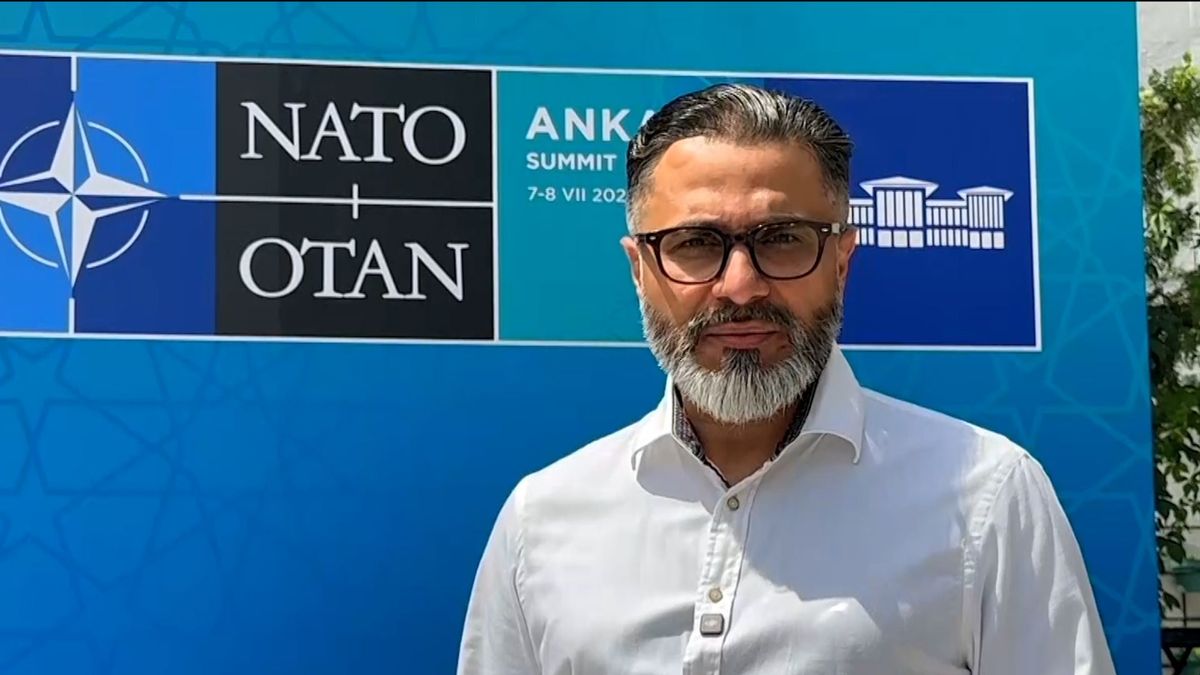
As a NATO summit convenes in Turkiye, the spotlight once again falls on former US President Donald Trump's persistent demands for allied nations to significantly increase their defense spending. This renewed pressure, articulated during a critical period for global security, underscores a fundamental and long-standing debate within the transatlantic alliance regarding equitable burden-sharing and strategic commitment. The timing of these statements, ahead of a potential return to the US presidency, amplifies their geopolitical significance, signaling a potential continuity in US foreign policy approach towards NATO.
Trump's insistence on allies meeting the agreed-upon 2% of GDP defense spending target is not new. It was a hallmark of his previous administration, rooted in an "America First" doctrine that questioned the cost-benefit analysis of US global security commitments. His argument posits that the United States disproportionately shoulders the financial and military burden of collective defense, while many European allies have historically underinvested in their own security capabilities. This perspective challenges the traditional post-World War II understanding of transatlantic security, where the US played a leading role in guaranteeing European stability.
The 2% defense spending guideline was initially agreed upon by NATO members at the 2014 Wales Summit, following Russia's annexation of Crimea, as a response to a deteriorating security environment. It was reaffirmed at subsequent summits, including the 2024 Washington Summit, reflecting a consensus on the need for greater investment in collective defense. However, compliance has varied significantly among member states. Trump's pressure, therefore, is not merely about a numerical target; it is a strategic push to rebalance responsibilities within the alliance and potentially redefine the terms of US engagement.
From Trump's perspective, increased defense spending by allies would serve multiple strategic objectives. Firstly, it would alleviate the financial strain on the US budget, allowing for a reallocation of resources domestically or towards other strategic priorities. Secondly, it aims to foster greater self-reliance among European nations, potentially leading to a more robust European defense pillar within NATO or even independent European security initiatives. Lastly, it reflects a transactional approach to alliances, where commitment is directly linked to perceived contributions, challenging the principle of unconditional collective defense enshrined in Article 5 of the NATO treaty.
The ongoing pressure from a prominent US political figure like Trump carries significant implications for NATO's cohesion and its role in the global security architecture. While some allies have indeed increased their defense budgets in recent years, particularly in response to the conflict in Ukraine, the pace and extent of these increases remain a point of contention. The debate over burden-sharing risks exacerbating internal divisions, potentially undermining the unity required to address pressing security challenges, from Russian aggression to emerging threats in the Indo-Pacific.
Furthermore, the perception of a wavering US commitment to NATO, or a conditional approach to Article 5, could have profound geopolitical consequences. It might embolden revisionist powers, who could interpret internal disagreements as an opportunity to test the alliance's resolve. Conversely, it could accelerate efforts within Europe to develop more integrated and autonomous defense capabilities, a long-term goal for some European leaders, but one that presents its own set of challenges regarding interoperability, command structures, and strategic alignment.
Turkiye's role as the host of this critical summit adds another layer of complexity. As a strategically vital NATO member bridging Europe and Asia, Turkiye has its own unique security concerns and often navigates a complex foreign policy landscape. Hosting the summit provides Turkiye with a platform to assert its diplomatic influence and engage directly in these high-stakes discussions about the alliance's future. Its own defense spending and strategic priorities, including its relationship with Russia and its role in regional conflicts, are also integral to the broader NATO dialogue.
Ultimately, the renewed pressure from Donald Trump on NATO allies over defense spending represents a critical juncture for the alliance. It forces member states to confront fundamental questions about their collective security responsibilities, the future of transatlantic relations, and the very definition of mutual defense in an increasingly volatile world. The outcomes of these discussions, and the responses from NATO members, will undoubtedly shape the alliance's effectiveness and its strategic posture for decades to come.
Source referenced: ALJAZEERA
This brief was synthesized by our Editorial Engine and reviewed by The Ground Narrative team.