TRENDING

Monday, 5 October 2026
----------------------
24 Rabi' Al-Thani 1448 AH
A 7.4 magnitude earthquake has struck western Colombia, leaving at least 224 people dead and thousands missing. As the country struggles to respond to the disaster, questions are being raised about the government's preparedness and the human cost of the tragedy. The earthquake has exposed deep-seated issues in Colombia's disaster response mechanisms, highlighting the need for a more effective and inclusive approach to emergency management.
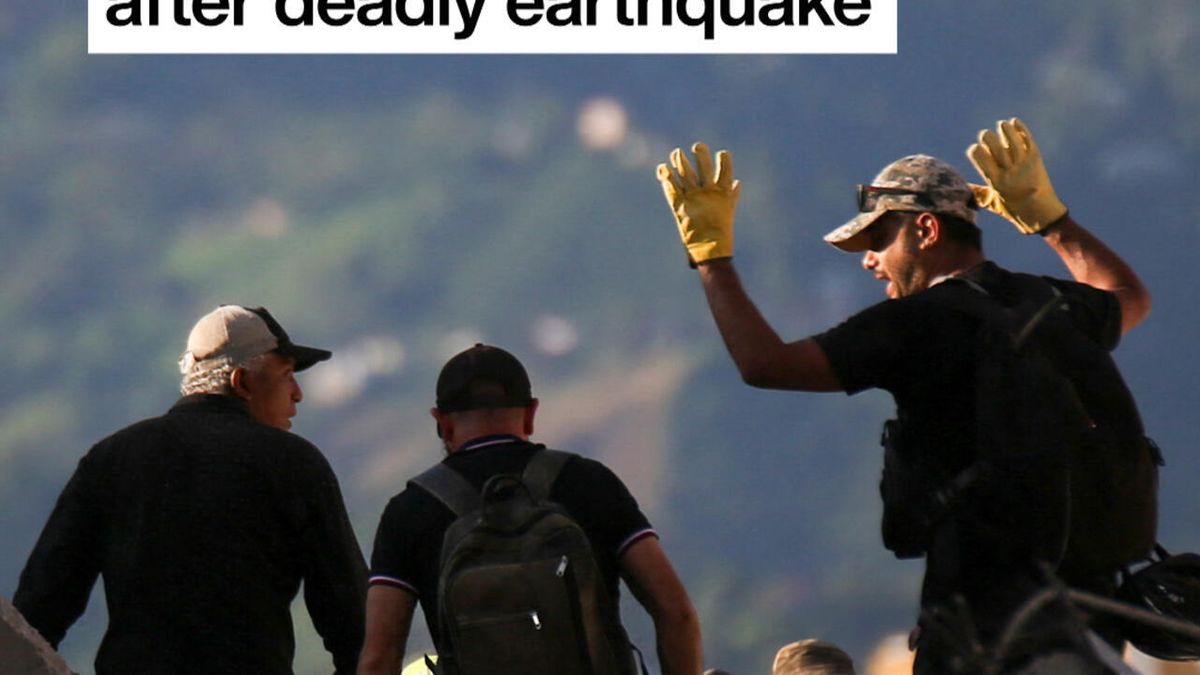
A devastating 7.4 magnitude earthquake hit the western part of Colombia, resulting in the deaths of at least 224 people and leaving thousands more unaccounted for. The disaster has sparked a frantic search and rescue effort, with authorities racing against time to locate survivors and provide aid to affected communities.
The Colombian government's response to the earthquake has been criticized for being slow and inadequate, with many affected areas still waiting for assistance. The disaster has also highlighted the country's vulnerability to natural disasters, which is exacerbated by its location in a seismically active region. The government's ability to respond effectively to the crisis will be crucial in determining the extent of the human cost. The international community is also watching closely, with many countries offering aid and assistance to Colombia.
The earthquake has had a disproportionate impact on vulnerable populations, including low-income communities and indigenous groups. These communities often lack access to basic services such as healthcare, sanitation, and emergency response systems, making them more susceptible to the effects of natural disasters. The human cost of the earthquake will be felt for years to come, with many families left to pick up the pieces and rebuild their lives.
The Colombian government has been accused of downplaying the severity of the disaster, with some critics arguing that the official death toll is lower than the actual number of fatalities. The government's reluctance to acknowledge the full extent of the crisis may be driven by a desire to avoid criticism and maintain stability. However, this approach may ultimately hinder the response efforts and exacerbate the suffering of affected communities.
As the situation in Colombia continues to unfold, there are several key developments to watch. The government's response to the disaster will be crucial in determining the extent of the human cost, and the international community's aid efforts will be critical in supporting affected communities. The earthquake may also have long-term implications for Colombia's economic and political stability, with potential consequences for the country's development and security. Readers should watch for updates on the government's response, the international community's aid efforts, and the potential long-term consequences of the disaster.
Editor's Note: The analysis is based on publicly available information and may not reflect the full extent of the situation on the ground.
Source referenced: FRANCE24
This brief was synthesized by our Editorial Engine and reviewed by The Ground Narrative team.