TRENDING

Friday, 2 October 2026
----------------------
21 Rabi' Al-Thani 1448 AH
US Congresswoman Nancy Mace's recent remarks about Muslim officials being a 'threat' to the US have sparked outrage, but what do they reveal about the underlying power dynamics at play? As politicians continue to use Islamophobia as a tool to further their agendas, who bears the human cost, and what are the implications for American society?
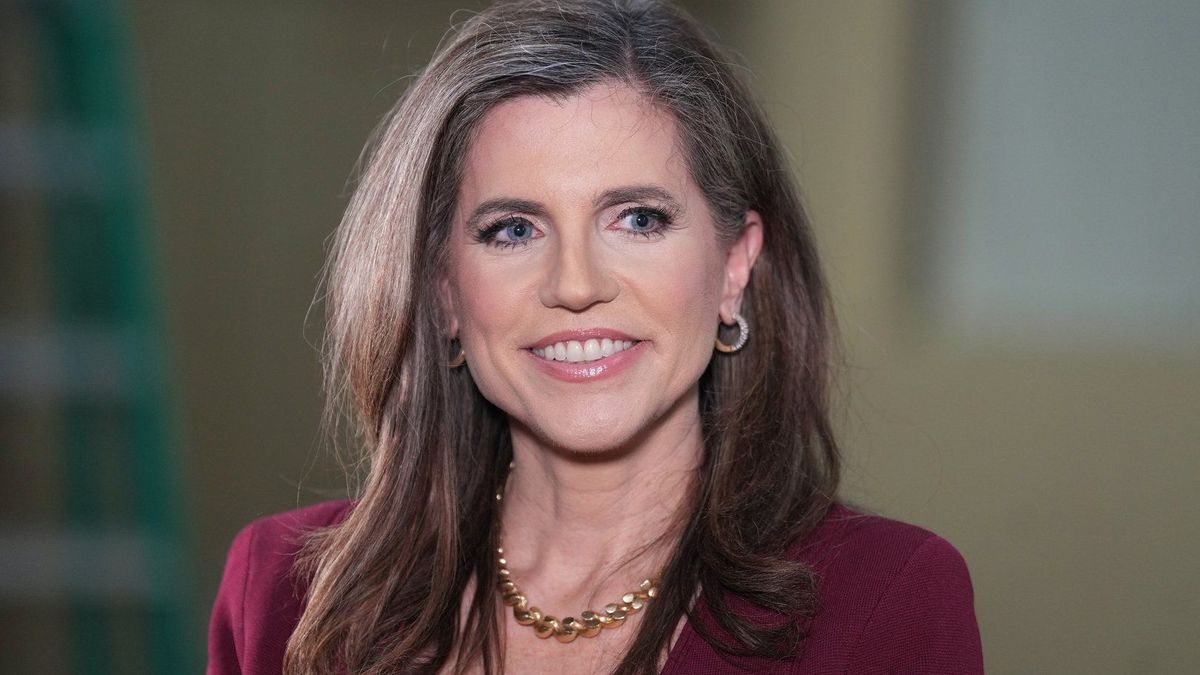
US Congresswoman Nancy Mace has sparked controversy with her recent comments calling Muslim officials a 'threat' to the US. The remarks came after Abdul El-Sayed's Michigan Democratic Senate primary win, with Mace falsely claiming that girls could one day be forced to wear 'burqas to school'. The comments have been widely condemned as Islamophobic and divisive.
Mace's comments are not an isolated incident, but rather part of a larger pattern of using Islamophobia as a tool of power in American politics. By framing Muslim officials as a 'threat', Mace is tapping into a deep-seated fear and mistrust of Muslims that has been cultivated over decades. This rhetoric serves to further polarize American society, creating an 'us versus them' mentality that can be exploited for political gain. The fact that Mace felt comfortable making such comments suggests that she believes they will resonate with her base and help her to advance her career.
The human cost of Mace's comments is borne by Muslim Americans, who already face significant discrimination and marginalization. By perpetuating negative stereotypes and falsehoods about Muslims, Mace is contributing to a toxic environment in which Muslim Americans are more likely to face hate crimes, bullying, and social exclusion. The impact is not limited to Muslim Americans, however - such rhetoric also serves to divide communities and create an atmosphere of fear and mistrust.
What Mace and other politicians who use Islamophobia as a tool of power are downplaying is the significant contributions that Muslim Americans make to society. From business and medicine to education and the arts, Muslim Americans are an integral part of the fabric of American life. By framing Muslim officials as a 'threat', Mace is ignoring the fact that Muslim Americans are just as patriotic, just as committed to American values, and just as deserving of respect and dignity as any other group.
As the debate over Mace's comments continues to unfold, readers should watch for how other politicians respond. Will they condemn Mace's remarks as divisive and unacceptable, or will they remain silent, suggesting that they are willing to tolerate or even exploit Islamophobia for political gain? Additionally, readers should look for signs of how Muslim American communities are organizing and pushing back against such rhetoric, and how they can support and amplify these efforts.
Editor's Note: The analysis is based on publicly available information and may not reflect the full complexity of the issue.
Source referenced: ALJAZEERA
This brief was synthesized by our Editorial Engine and reviewed by The Ground Narrative team.