TRENDING

Monday, 5 October 2026
----------------------
24 Rabi' Al-Thani 1448 AH
France's education system is grinding to a halt as students, teachers and parents clash with authorities. The unrest reveals deep power struggles that ordinary citizens are forced to live through.
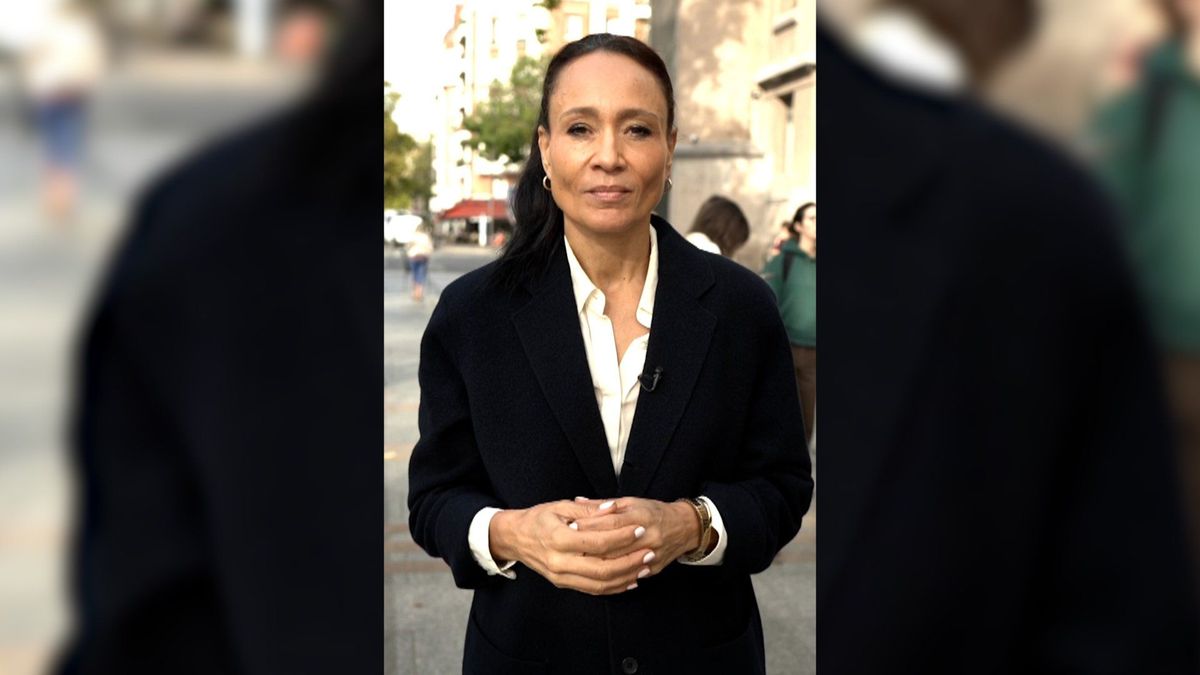
The wave of demonstrations that began in early September has left dozens of French schools closed, with blockades, sit‑ins and violent confrontations spilling onto Parisian streets. Protesters—primarily secondary‑school students and their unions—demand better learning conditions, smaller class sizes, and a halt to the government's plan to outsource non‑core services to private firms. By early October, police had made hundreds of arrests, and several districts reported damage to school property and surrounding businesses.
The unrest cannot be reduced to a simple dispute over classroom furniture. First, the Ministry of Education is under pressure to meet a national budget target that calls for a 5% reduction in public spending on education over the next three years. To achieve this, the government has pursued a policy of outsourcing cleaning, catering and security to multinational contractors, a move that promises short‑term savings but threatens long‑term job security for thousands of school staff.
Second, the ruling party faces a looming municipal election cycle. Local officials fear that a visible failure to address school conditions could erode voter confidence, especially in working‑class suburbs where school quality is already a flashpoint for social tension. By framing the protests as a fringe youth movement, the government hopes to isolate the dissent and avoid a broader coalition of teachers' unions, parent associations and left‑wing parties.
Third, the broader economic context matters. France's post‑pandemic recovery has been uneven, with wage growth stagnating while inflation pressures household budgets. The education sector, traditionally a stronghold of public employment, is now a bargaining chip in a larger debate over the role of the state versus private capital in delivering public services.
For the teenagers marching daily, the cost is immediate: missed lessons, delayed exams and the psychological toll of confronting police forces. Many report feeling caught between a desire for better schools and the fear of criminal records that could jeopardize future employment.
Around 12,000 school employees have been laid off or placed on temporary contracts as outsourcing contracts roll out. The loss of stable, well‑paid positions has pushed many families into precarious financial situations, forcing some to take on second jobs or rely on state benefits.
Neighborhood cafés, bookshops and transport services that depend on the daily flow of students have seen revenues plunge by up to 30% in affected districts. Small‑business owners argue that the protests, while politically potent, are eroding the economic fabric of their communities.
Official statements repeatedly describe the protests as “isolated incidents” driven by a minority of “radical youths.” This narrative downplays the organized nature of the movement, which is coordinated through national student unions and supported by veteran teachers' federations. By labeling the unrest as fringe, the French state seeks to avoid acknowledging systemic underfunding.
The private firms winning outsourcing contracts are often subsidiaries of large European conglomerates with deep ties to Brussels policy circles. Their public relations campaigns emphasize efficiency and innovation, while quietly lobbying for deregulation that would make it easier to replace public workers with contract labor.
Mainstream French media have given limited airtime to the protestors' demands, focusing instead on isolated clashes and the number of arrests. Investigative reporting on the budgetary decisions that triggered the outsourcing push has been sparse, leaving the public without a clear picture of how fiscal targets translate into classroom realities.
The next few weeks will test whether the government will backtrack on outsourcing or double down with stricter security measures. Key indicators include parliamentary debates on the education budget, any legal challenges filed by teachers' unions, and the emergence of solidarity actions in other public sectors such as healthcare. Observers should also monitor the role of European Union funding mechanisms, which could either pressure France to protect public employment or reward cost‑cutting reforms. The trajectory of these protests will shape not only the daily lives of millions of students but also the broader debate over the future of the French welfare state.
Schools are being shut down because students and unions are demanding an end to outsourcing plans and better learning conditions, while authorities use closures to disperse gatherings and limit disruptions.
Outsourcing has led to thousands of teachers, cleaners and security personnel losing permanent public‑sector jobs, pushing many into precarious contracts and reducing overall job security in education.
Editor's Note: Analysis based on publicly available reports and expert commentary up to October 2026.
Source referenced: ALJAZEERA
This brief was synthesized by our Editorial Engine and reviewed by The Ground Narrative team.


