TRENDING

Wednesday, 14 October 2026
----------------------
3 Jumada Al-Awwal 1448 AH
US President Donald Trump's claim that Israel and Hezbollah have agreed to de-escalate fighting marks a significant development in the long-standing Israeli-Lebanese conflict. The implications of this move are far-reaching, with potential consequences for regional stability and the broader Middle East.
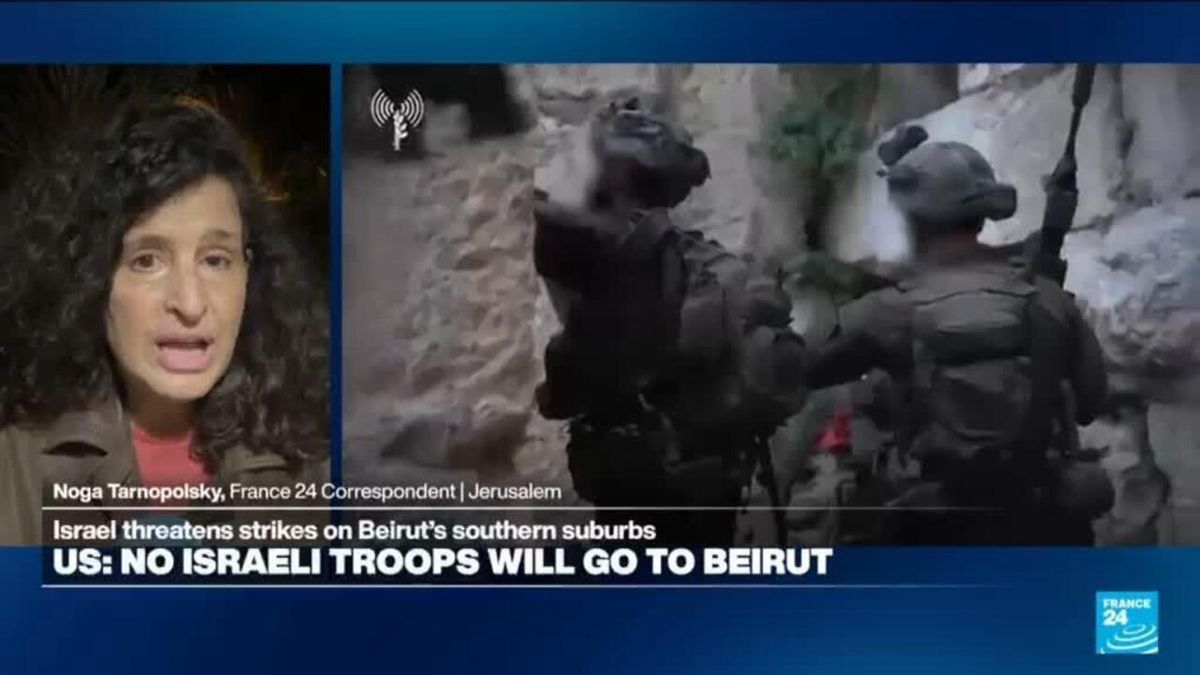
If true, the reported agreement between Israel and Hezbollah to dial back fighting represents a significant coup for both the Lebanese militant group and its primary backer, Iran. This development comes at a time when tensions between Israel and Hezbollah have been escalating, with both sides engaging in a series of military exchanges.
Hezbollah's decision to de-escalate fighting may be driven by a desire to avoid further Israeli military action, which could have severe consequences for the group's leadership and infrastructure. Iran, which has long supported Hezbollah, may also be seeking to reduce the risk of a wider conflict in the region, which could draw in other regional actors and compromise its own interests.
The Israeli-Lebanese conflict has a long and complex history, with both sides engaging in a series of military exchanges and diplomatic efforts to resolve their differences. The conflict has been fueled by competing claims over territory, resources, and ideology, with both sides refusing to compromise on key issues.
The reported agreement between Israel and Hezbollah has significant implications for regional stability and the broader Middle East. If the agreement holds, it could lead to a reduction in tensions between Israel and its neighbors, potentially paving the way for a broader peace process in the region.
However, the agreement also raises concerns about the potential for Iran to expand its influence in the region, potentially at the expense of other regional actors. This could lead to a shift in the regional balance of power, with potentially far-reaching consequences for regional stability and security.
The future consequences of the reported agreement between Israel and Hezbollah are uncertain, with a range of possible outcomes. If the agreement holds, it could lead to a reduction in tensions between Israel and its neighbors, potentially paving the way for a broader peace process in the region.
However, if the agreement collapses, it could lead to a further escalation of the conflict, potentially drawing in other regional actors and compromising regional stability and security.
The reported agreement between Israel and Hezbollah marks a significant development in the long-standing Israeli-Lebanese conflict. While the implications of this move are far-reaching, with potential consequences for regional stability and the broader Middle East, the future consequences of this agreement are uncertain. Further analysis and monitoring of the situation are required to fully understand the implications of this development.
Editor's Note: The accuracy and implications of this agreement are uncertain, and further analysis and monitoring are required to fully understand the situation.
Source referenced: FRANCE24
This brief was synthesized by our Editorial Engine and reviewed by The Ground Narrative team.


