TRENDING

Thursday, 8 October 2026
----------------------
27 Rabi' Al-Thani 1448 AH
President Donald Trump announced a $6.6 billion submarine shipyard in Maryland, promising thousands of jobs. The deal ties a high‑tech defense firm to a sprawling federal investment, with deep effects for workers, taxpayers, and the environment.
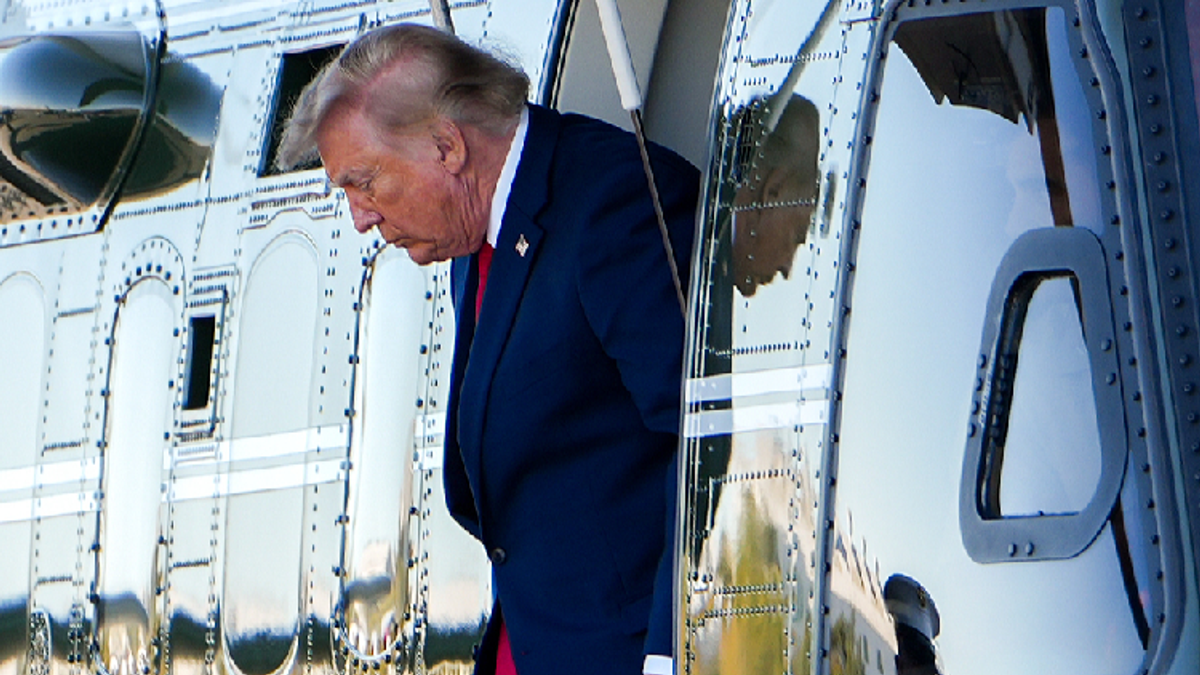
President Donald Trump unveiled a $6.6 billion plan to build a new submarine shipyard at Sparrows Point, Maryland. The facility, to be operated by Anduril Industries, will produce next‑generation submarines, unmanned underwater vehicles, and key components for the U.S. Navy's Virginia‑class fleet. Trump highlighted the creation of more than 3,100 direct jobs and an additional 11,000 indirect positions across the country.
The announcement sits at the intersection of electoral politics, defense budgeting, and corporate ambition. For Trump, a high‑visibility infrastructure project in a swing state offers a tangible record of job creation ahead of the next election cycle. The funding split—$3.7 billion from Anduril and $2.9 billion from the Navy—illustrates a public‑private partnership that reduces immediate fiscal pressure on the United States while locking in long‑term procurement contracts for a firm known for AI‑driven defense platforms.
Anduril, a relatively young defense contractor, has leveraged its reputation for rapid, software‑centric solutions to secure a foothold in the traditional shipbuilding arena. By investing heavily, it not only diversifies its product line but also gains political capital with lawmakers eager to showcase domestic manufacturing. The Navy, meanwhile, secures a dedicated production line that promises faster delivery of submarines, a critical asset as China expands its undersea fleet and the Arctic sees increased activity.
Local and state officials also stand to gain. Maryland’s governor can tout the project as a boost to the state’s lagging manufacturing base, while congressional representatives can point to the promised jobs in their districts. This alignment of federal, state, and corporate interests creates a feedback loop where each actor reinforces the others' narratives of economic revitalization.
While the headline numbers sound impressive, the reality for many laborers is more nuanced. The shipyard will demand a mix of highly skilled engineers and a larger pool of lower‑wage assembly workers. Existing shipyard unions warn that the rapid timeline may pressure contractors to sidestep standard safety protocols, potentially exposing workers to hazardous materials common in submarine construction, such as lead and asbestos.
The $2.9 billion Navy contribution comes from the defense budget, which is already under scrutiny for cost overruns in other programs. Critics argue that earmarking such a large sum for a single facility reduces flexibility for other defense priorities, effectively shifting the fiscal burden onto future taxpayers. Moreover, the promised 11,000 indirect jobs often rely on subcontractors whose contracts can be volatile, leading to precarious employment.
Sparrows Point sits on a heavily industrialized waterfront with a legacy of pollution. Expanding the shipyard will likely increase dredging, runoff, and noise, affecting nearby neighborhoods and the Chesapeake Bay ecosystem. Residents have expressed concerns about rising property taxes and the strain on local infrastructure, from roads to schools, that may not keep pace with the influx of workers.
The deal was announced with limited detail on the competitive bidding process. Anduril’s involvement bypasses traditional shipbuilding giants like General Dynamics and Huntington Ingalls, raising questions about whether the contract was awarded based on political connections rather than proven shipbuilding expertise. This lack of transparency fuels suspicion that the project serves as a showcase for a favored contractor.
Anduril’s core competency lies in autonomous systems and AI‑driven surveillance. Embedding its technology into submarines and unmanned underwater vehicles could extend the reach of domestic surveillance capabilities into international waters, a point rarely addressed in official statements. Civil liberties groups worry that the fusion of AI with undersea platforms may lower the threshold for covert operations.
Federal environmental impact statements are required for projects of this scale, yet the announcement came before a full review was publicly released. Community groups fear that crucial mitigation measures—such as habitat restoration for the bay’s declining oyster populations—will be rushed or watered down to keep the construction timeline on track.
The next months will reveal whether Congress approves the full funding package without amendments. Watch for hearings where defense auditors may flag cost‑growth risks, and for any legal challenges filed by environmental NGOs. Labor unions are likely to negotiate collective bargaining agreements that could set precedents for future defense contracts.
Internationally, monitor how China responds to the accelerated U.S. undersea buildup. Any shift in its own submarine procurement or diplomatic signaling could indicate a feedback loop that escalates naval competition. Finally, keep an eye on Anduril’s broader strategy: if the shipyard proves successful, the firm may leverage it to win additional contracts in other branches of the armed forces, further entrenching its role in the U.S. defense ecosystem.
The announcement cites over 3,100 direct jobs at the shipyard and an additional 11,000 indirect jobs nationwide, though many of those depend on subcontracting arrangements.
Anduril, known for AI‑driven defense tech, is expanding into traditional hardware to diversify its portfolio and secure long‑term government contracts, leveraging its software expertise for submarine systems.
The project could increase water pollution, dredging, and noise on the Chesapeake Bay, threatening local ecosystems and prompting community worries about inadequate environmental reviews.
Source referenced: CGTN
This brief was synthesized by our Editorial Engine and reviewed by The Ground Narrative team.