TRENDING

Thursday, 8 October 2026
----------------------
27 Rabi' Al-Thani 1448 AH
A tanker was struck by projectiles in Qatar's exclusive economic zone, raising fresh concerns about maritime safety in the Gulf. The incident exposes the clash of state interests, market pressures, and ordinary workers caught in the crossfire.
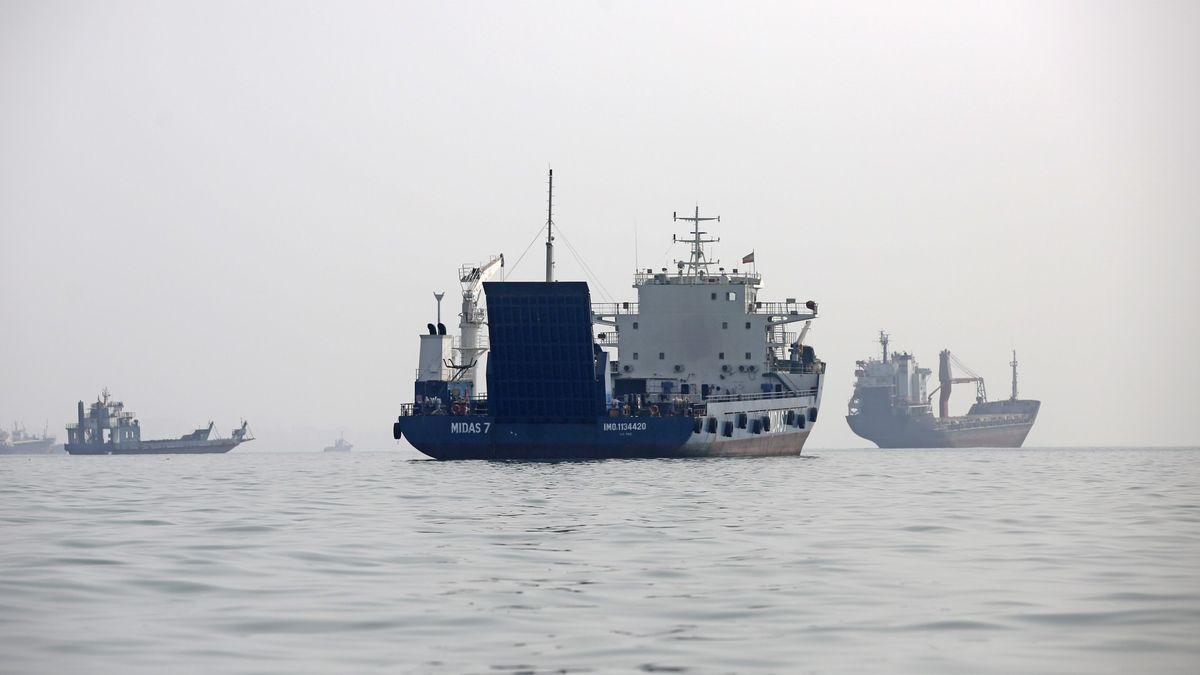
On 8 October 2026 a commercial tanker sailing 94 km north of Madinat ash Shamal was hit by multiple projectiles, according to the United Kingdom Maritime Trade Operations (UKMTO). The strike occurred within Qatar’s exclusive economic zone, an area rarely targeted in recent weeks. While casualty figures remain unclear, the incident marks the first reported hit on a tanker in the western Gulf since the escalation of the U.S.–Israel‑Iran conflict earlier this year.
The Gulf’s oil arteries have long been a lever of influence for regional and extra‑regional powers. After the U.S.–Israel war began on 28 February, Iran effectively shut the Strait of Hormuz, forcing global markets to reroute shipments through longer, costlier paths. In response, Washington imposed a naval blockade on Iranian ports, creating a feedback loop where each side seeks to demonstrate resolve while limiting the other’s economic lifeline.
Within this context, a projectile strike off Qatar serves several overlapping calculations. First, it signals that the theater of conflict is expanding beyond the narrow chokepoint of Hormuz, reminding commercial insurers and ship owners that no Gulf waterway is immune. Second, the attack pressures Qatar—an ally of the United States and a major LNG exporter—to tighten its own maritime security posture, potentially diverting resources from domestic development projects. Third, the incident offers Iran a low‑cost means to project power without committing naval assets that could be targeted by U.S. forces; using proxy groups or remotely‑guided weapons keeps plausible deniability while still achieving disruption.
Economic trade‑offs are equally stark. Data from Kpler shows Middle‑East crude exports have already crept back above pre‑war averages, hovering around 18.3 million barrels per day. Yet each successful strike raises insurance premiums, inflates freight rates, and forces shippers to consider alternative routes such as the Cape of Good Hope, which adds weeks and millions of dollars to delivery schedules. For oil‑producing states, higher prices can be a short‑term windfall, but the long‑term credibility of their export infrastructure erodes when vessels face unpredictable threats.
Alliance math also plays a role. The U.S. Navy maintains a forward presence in the Gulf, but its assets are stretched across multiple theaters, from the Indo‑Pacific to the Black Sea. A localized attack forces Washington to reassess force allocation, potentially prompting a diplomatic push for regional partners—Qatar, Saudi Arabia, the United Arab Emirates—to shoulder more of the security burden. This shift can reshape the balance of influence among Gulf monarchies, each eager to demonstrate its reliability to Western patrons while guarding its sovereignty.
The most immediate victims are the crew members aboard the struck tanker. Commercial shipping relies on a multinational workforce, often composed of low‑wage sailors from the Philippines, India, and West Africa. When a vessel is hit, injuries can range from shrapnel wounds to fatal burns, and survivors may face prolonged medical evacuation processes that strain both employer liability and home‑country consular services.
Qatar’s northern coast supports small fishing villages that depend on calm waters for daily catches. An uptick in naval engagements or the presence of unexploded ordnance can restrict access to traditional fishing grounds, jeopardizing food security for families already coping with rising living costs linked to global oil price volatility.
Higher freight rates ripple through downstream industries. Refineries in South Asia, Europe, and the United States pay more for crude, a cost that ultimately passes to consumers at the pump. In emerging economies where fuel subsidies already strain public budgets, any price shock can ignite social unrest, as seen in past oil‑price spikes.
Official statements from Qatar and the U.K. have been muted, emphasizing routine monitoring rather than acknowledging a breach of security. This silence masks several layers of omission. First, the precise identity of the projectile—whether a missile, drone, or artillery shell—remains undisclosed, allowing the responsible party to evade direct attribution. Second, the economic calculus behind the attack is downplayed; while insurers cite “risk of war,” they rarely discuss how state‑backed actors may be using commercial shipping as a bargaining chip in broader negotiations over sanctions and nuclear talks.
Corporations, particularly major oil traders, also frame the incident as a temporary blip. Press releases highlight that export volumes have “rebounded to pre‑war levels,” subtly shifting focus away from the growing safety gap for crews and the long‑term cost of maintaining a militarized shipping corridor. By portraying the market as resilient, they sideline the human stories of injured seafarers and the anxiety felt by families awaiting news.
Finally, regional media in Iran and its allies have hinted at “defensive actions” without specifying targets, a narrative that legitimizes the use of force while avoiding direct admission of aggression. This framing reinforces a domestic narrative of resistance against foreign pressure, even as the real target—a civilian tanker—remains a civilian asset.
Observers should monitor three converging signals. First, any official claim of responsibility, whether from Iran, proxy militias, or a new actor, will clarify intent and may trigger diplomatic escalations or de‑escalation talks. Second, insurance and freight data will reveal whether the market is internalizing the risk; a sustained rise in premiums could force shippers to seek alternative routes, reshaping global supply chains. Third, the response of Gulf states—especially Qatar’s naval deployments and its coordination with U.S. forces—will indicate whether the region is moving toward a more militarized security framework or seeking diplomatic channels to contain the spillover of the U.S.–Israel‑Iran conflict.
Stakeholders, from ordinary consumers to policy makers, would do well to track these developments, as the balance between commercial continuity and human safety hangs in the balance.
While no group has claimed responsibility, analysts point to Iranian‑aligned militias using long‑range weapons to pressure Gulf shipping, a tactic that offers plausible deniability.
Short‑term price spikes are possible as insurers raise premiums and shippers consider longer routes, but the overall impact depends on whether the threat expands beyond isolated incidents.
Source referenced: ALJAZEERA
This brief was synthesized by our Editorial Engine and reviewed by The Ground Narrative team.