TRENDING

Thursday, 8 October 2026
----------------------
27 Rabi' Al-Thani 1448 AH
The United States barred a Fiji‑based official for bribing locals on behalf of Chinese actors, a move that highlights a hidden tug‑of‑war in the Pacific. The case reveals who profits, who suffers, and what the next flashpoints may be.
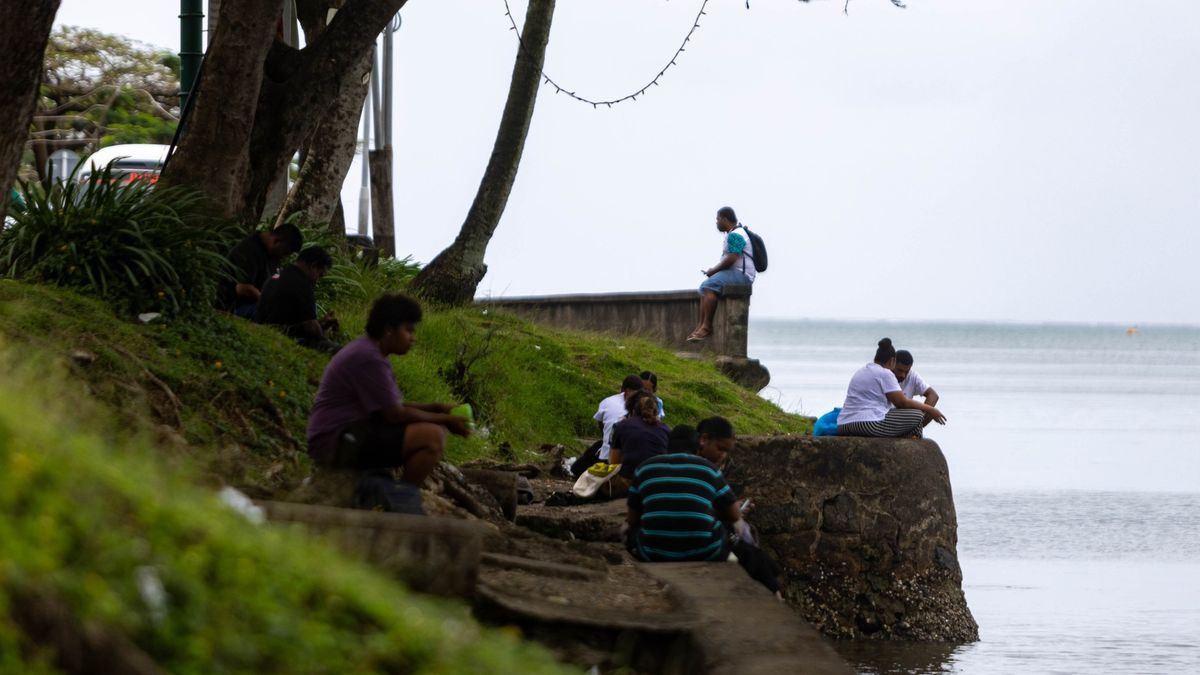
The U.S. Department of State announced on October 8, 2026 that Zhao Fugang, director of the Overseas Chinese Service Center in Suva, had been barred from entering the United States for abusing his public position. According to the press release, Zhao paid bribes to Fijian citizens to advance China‑linked government, business, and criminal interests, a pattern the embassy said left Fiji vulnerable to "malign foreign influence." The designation also extends to Zhao’s immediate family, rendering them ineligible for U.S. visas.
- Patronage and Access – The Overseas Chinese Service Center, while officially offering consular assistance, has been described by rights groups as a conduit for Beijing to embed its networks abroad. By paying local officials and community leaders, Zhao created a layer of personal loyalty that bypassed formal diplomatic channels, allowing Chinese state‑owned enterprises and opaque investors to secure contracts, land leases, and resource permits without transparent bidding.
- U.S. Pacific Strategy – Washington has long viewed the South Pacific as a strategic buffer against Beijing’s expanding footprint. The 2024‑2025 Pacific Pivot Initiative pledged $1.5 billion for infrastructure, health, and climate projects, explicitly framed as a counter to "coercive economic practices" from China. Designating individuals like Zhao signals a shift from broad‑brush diplomatic warnings to targeted punitive measures aimed at deterring other local actors from becoming conduits for Chinese leverage.
- China’s Belt and Road Pacific Push – Since 2018, China has funneled billions into port upgrades, telecommunications, and tourism projects across Fiji, Palau, and the Marshall Islands. These investments often come with clauses that grant Chinese firms preferential treatment or long‑term revenue shares. Corruption scandals, such as Zhao’s, help smooth over the friction between local regulatory standards and the speed‑driven demands of Chinese state‑linked companies.
- Alliance Math – The Pacific Islands Forum, traditionally a venue for small‑state consensus, now sees a split between members leaning toward Australia and New Zealand‑led aid packages and those courting China for faster, less‑conditional financing. The U.S. designation adds pressure on Fiji’s government to police its own officials, lest it risk further isolation from Western aid streams.
Fiji’s parliamentarians and municipal officers who accepted bribes face investigations, loss of public trust, and potential criminal charges. Their compromised positions erode the credibility of democratic institutions, making it harder for ordinary citizens to hold leaders accountable.
Domestic entrepreneurs who lack Chinese backing find themselves edged out of lucrative sectors like tourism development and fisheries processing. The resulting market distortion depresses wages and limits opportunities for local suppliers, concentrating wealth in the hands of a few Chinese‑linked conglomerates.
For the average Fijian, the fallout appears in higher prices for imported goods, delayed infrastructure projects, and a sense that national resources are being siphoned off without visible benefit. Rural communities, already vulnerable to climate impacts, see fewer promised road upgrades and school renovations, while the government’s focus shifts to managing diplomatic fallout rather than delivering basic services.
- Diplomatic Language vs. Reality – Both Washington and Beijing frame the issue in terms of "lawful" versus "illicit" activity, yet the underlying power play is about shaping long‑term strategic influence. The U.S. press release emphasizes protection of American interests, sidestepping the broader question of how Pacific sovereignty is being compromised.
- Overseas Chinese Service Centers as Fronts – While Beijing publicly describes these centers as purely consular, investigative reports suggest they double as intelligence‑gathering hubs and recruitment points for economic espionage. The centers often operate with limited oversight, allowing them to blend legitimate assistance with covert agenda‑pushing.
- Criminal Networks – The State Department’s mention of "criminal actors" hints at a shadow economy linking Chinese triads, local smuggling rings, and corrupt officials. These networks facilitate money‑laundering, illegal fishing, and even human trafficking, but official statements rarely connect the dots, keeping the public narrative focused on high‑level diplomatic posturing.
- Policy Shifts in Fiji’s Foreign Ministry – Expect a tightening of vetting procedures for foreign‑funded projects and a possible realignment toward Australia and New Zealand for future aid, especially if the U.S. ramps up visa restrictions for other suspected intermediaries.
- U.S. Legislative Action – Congress may introduce broader Pacific‑focused anti‑corruption bills, expanding the list of individuals and entities subject to entry bans, which could further isolate Chinese‑linked actors.
- China’s Counter‑Narrative – Beijing is likely to double‑down on portraying its Pacific engagement as development‑driven, possibly launching a public diplomacy campaign to discredit the U.S. designation as "politically motivated". Monitoring Chinese state media and diplomatic statements will reveal how the narrative battle evolves.
- Grassroots Response – Local NGOs and community groups are beginning to document the social impacts of stalled projects and rising costs. Their reports could become a catalyst for domestic political pressure, forcing Fiji’s leaders to choose between foreign patronage and internal legitimacy.
- Regional Security Dynamics – As the U.S. and China vie for influence, the Pacific may see increased military liaison visits, joint exercises, and intelligence sharing. The presence of foreign naval vessels near Fiji’s waters could become a barometer of escalating competition.
Overall, the Zhao case is a microcosm of a larger contest: powerful states leveraging economic aid, covert networks, and legal tools to shape the political landscape of small island nations. The human cost—diminished public services, eroded trust, and economic marginalization—remains hidden behind diplomatic soundbites. Observers should track policy responses, local activism, and the next wave of designations to gauge whether the Pacific can reclaim agency in its own development trajectory.
The State Department said Zhao used his official role to pay bribes that advanced Chinese government, business, and criminal interests, threatening U.S. interests and Fiji’s sovereignty.
It exposes the depth of Chinese-backed corruption in Fiji, prompting the government to reconsider its reliance on Chinese investment and potentially shift toward Western partners for aid and infrastructure.
The incident highlights a pattern of foreign powers using covert networks to gain influence, urging other island states to scrutinize similar arrangements and protect their political and economic autonomy.
Editor's Note: Analysis based on publicly released statements and established patterns of Chinese engagement in the Pacific.
Source referenced: ALJAZEERA
This brief was synthesized by our Editorial Engine and reviewed by The Ground Narrative team.


