TRENDING

Wednesday, 7 October 2026
----------------------
26 Rabi' Al-Thani 1448 AH
Former president Donald Trump hinted that Iran might be able to strike Los Angeles and San Diego, sparking backlash from state leaders and ordinary residents. The episode reveals how election‑year posturing can turn entire cities into bargaining chips in a global power game.
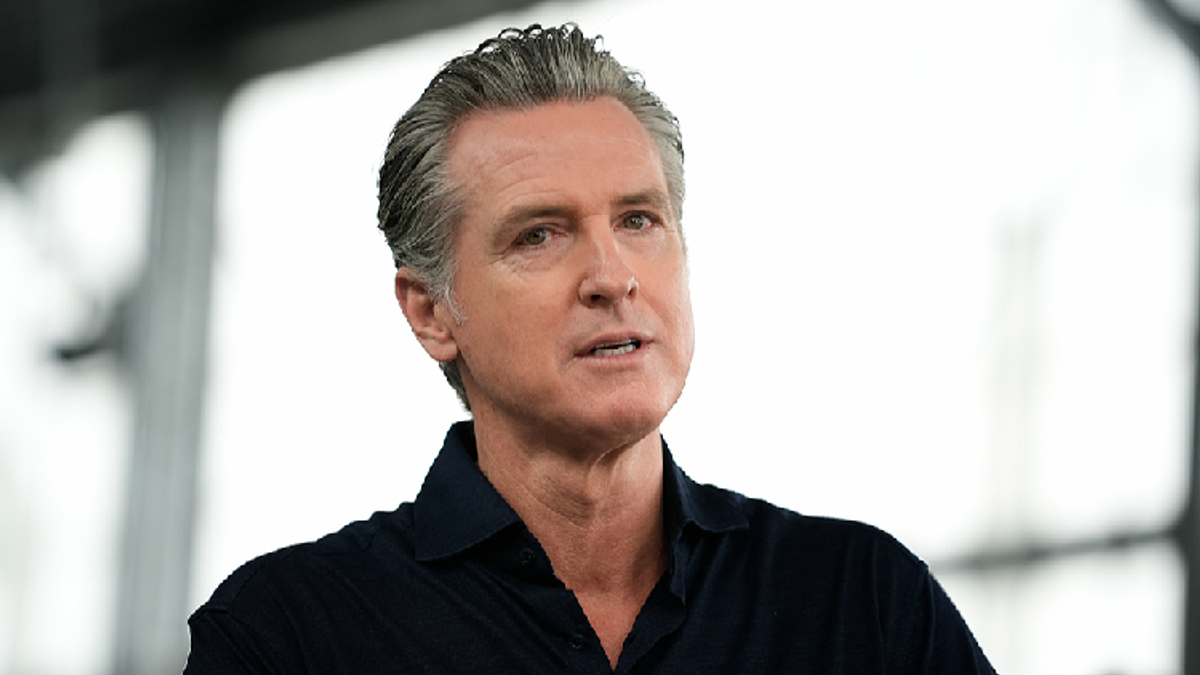
Former president Donald Trump addressed a crowd in Nebraska, saying Iran could "take out" Los Angeles or San Diego and that such a loss would be "a small price to pay" for national security. The remarks were made while he touted a "tremendous victory" in the upcoming midterm elections. California Governor Gavin Newsom, Los Angeles Mayor Karen Bass, and San Diego Mayor Todd Gloria all condemned the comments as reckless, emphasizing that no American city is expendable. Even a Republican House hopeful, Jim Desmond, publicly distanced himself, insisting that protecting the homeland is the president’s primary duty.
Trump’s statement serves several overlapping calculations. First, it revives a hard‑line narrative that frames Iranian missile capabilities as an existential threat, a narrative that can rally the party base ahead of the midterm elections. By invoking a foreign adversary, he shifts attention from domestic economic concerns and internal party fractures. Second, the comment pressures the Republican Party to adopt a tougher stance on Iran, limiting any diplomatic overtures that might emerge from a more moderate wing. Third, it forces the Biden administration to reaffirm its own deterrence posture, thereby justifying continued or increased defense spending. The underlying incentive is clear: a dramatic foreign‑policy threat can translate into votes, campaign donations, and media coverage, while the cost of any actual escalation is largely shouldered by the broader public.
The suggestion that a major metropolis could be a target revives memories of past attacks, heightening anxiety among California families already coping with high housing costs and frequent natural disasters. Mental‑health clinics report a surge in calls after the rally, as residents fear that political rhetoric could translate into real danger.
San Diego hosts the largest naval fleet on the West Coast. Military families worry that the rhetoric could make their bases a higher‑priority target for Iranian planners, potentially prompting stricter security protocols that disrupt daily life and strain local economies reliant on defense contracts.
Both cities’ economies depend on tourism, entertainment, and tech. The prospect of being labeled a "collateral" city threatens investor confidence, leading to cautious spending and delayed projects. For a small‑business owner, the intangible cost of living under a cloud of possible attack can be as damaging as any physical threat.
Official channels have quietly downplayed Iran’s ability to strike the West Coast with conventional missiles, noting that such an operation would require a complex, long‑range delivery system that Iran does not yet possess. By omitting these technical limits, the administration allows the public to assume a higher level of danger than the facts support.
Iranian leaders have repeatedly warned against U.S. aggression, but they also understand that a direct strike on a U.S. city would invite overwhelming retaliation. The Iranian regime’s internal calculations focus on regional influence, not trans‑Pacific attacks, a nuance absent from the political theater.
Mainstream coverage often mirrors the sensationalism of the rally, emphasizing the shock value while sidelining deeper analysis of election incentives and defense budgeting. This framing diverts scrutiny from how campaign money flows to security contractors who stand to profit from heightened threat perception.
In the weeks ahead, watch how the midterm elections shape congressional votes on defense appropriations and any legislative attempts to limit presidential rhetoric on foreign threats. Keep an eye on diplomatic channels for any sign of back‑channel talks between Washington and Tehran, as a sudden de‑escalation could undercut the narrative Trump is promoting. Finally, monitor local responses in California: city council resolutions, school‑district security drills, and community mental‑health initiatives will reveal how ordinary citizens translate political posturing into concrete protective measures.
Iran has not publicly threatened U.S. West Coast cities, and intelligence assessments indicate it lacks the long‑range capability to do so without provoking massive retaliation.
The remarks aim to rally the Republican base by invoking a foreign threat, potentially boosting turnout among hard‑line voters while alienating moderates and independents who view the rhetoric as reckless.
Source referenced: CGTN
This brief was synthesized by our Editorial Engine and reviewed by The Ground Narrative team.


