TRENDING

Wednesday, 7 October 2026
----------------------
26 Rabi' Al-Thani 1448 AH
Lithuania’s parliament voted to remove a constitutional ban on weapons of mass destruction, opening the door for allied nuclear assets. The decision pits security promises against the lived reality of border towns and regional stability.
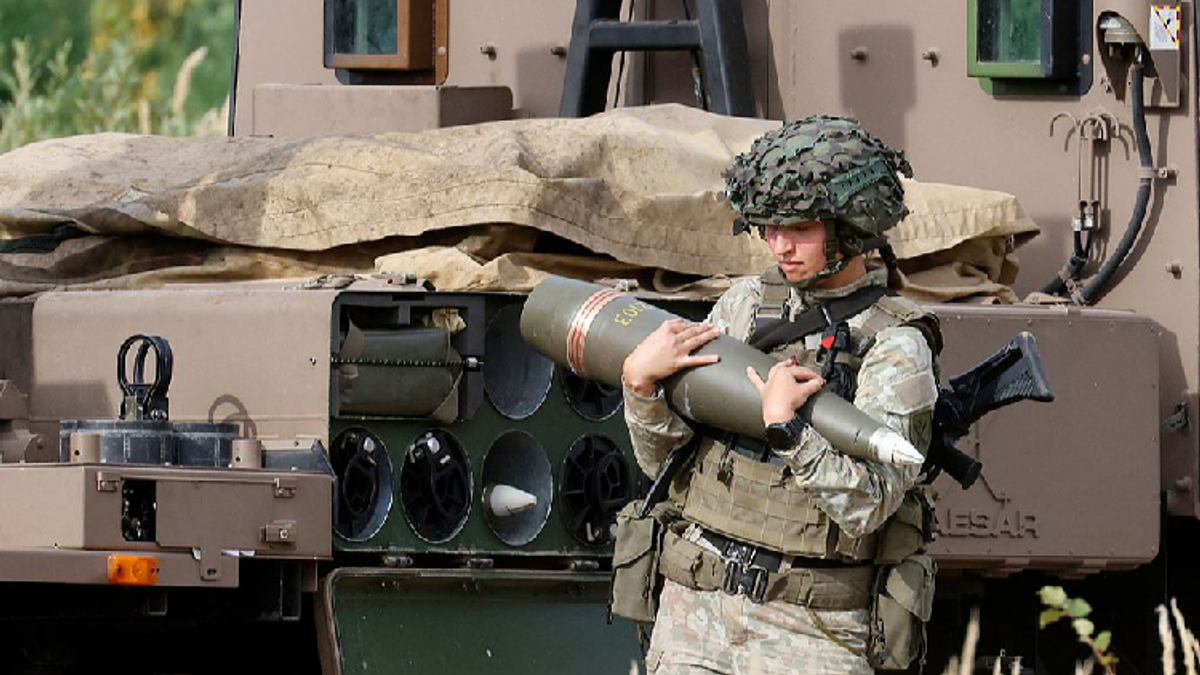
Lithuanian lawmakers approved the first reading of a constitutional amendment that would erase the clause prohibiting weapons of mass destruction on its soil. The vote, 106 in favour, 18 against and six abstentions, clears the procedural hurdle for a final decision slated for January 12, provided at least 94 of the 141 members of the Seimas back it. While the amendment still preserves the ban on foreign military bases, it removes the explicit prohibition that has kept nuclear weapons out of the Baltic state since independence.
For NATO, the Baltic region sits on the front line of a decades‑long standoff with Russia. The alliance’s nuclear sharing arrangements, already in place with Turkey, Belgium and Germany, rely on host nations agreeing to store or host dual‑capable aircraft and storage facilities. Lithuania’s constitutional hurdle has long been a legal blind spot; removing it would let the alliance consider forward‑deployed assets that could shorten response times in a crisis.
Within the Lithuanian parliament, the amendment is framed as a matter of national survival. Opposition leader Laurynas Kasciunas argues that any change of this magnitude deserves a popular referendum, but the governing coalition sees the vote as a way to demonstrate resolve ahead of the 2027 parliamentary elections. By aligning closely with NATO’s deterrence narrative, the coalition hopes to capture security‑focused voters while marginalising parties that favour a more neutral stance.
From Moscow’s perspective, a nuclear‑capable Baltic state erodes the strategic depth that has protected Russian heartland forces for generations. Russia has repeatedly warned that any NATO nuclear footprint on its near‑abroad will be met with counter‑measures, ranging from diplomatic protests to accelerated missile deployments in Kaliningrad. The amendment therefore feeds directly into Moscow’s narrative of encirclement, giving it a pretext to justify heightened military activity along the western border.
Although the European Union does not control national defence policy, it monitors compliance with the Treaty on the Non‑Proliferation of Nuclear Weapons (NPT). The amendment’s removal of the constitutional ban does not automatically legalise nuclear weapons, but it lowers the legal barrier for a future hosting decision that would need to be reconciled with EU foreign‑policy positions and the broader non‑proliferation regime.
Cities such as Klaipėda and Šiauliai, already within range of Russian artillery and air assets, would become potential targets in any escalation involving nuclear weapons. Residents worry about becoming the first line of a deterrence triangle, where a mis‑step could trigger a rapid escalation with catastrophic civilian fallout.
If NATO decides to station dual‑capable aircraft or storage sites, families of service members will confront longer deployments and heightened alert status. The psychological strain of living under a constant threat of nuclear escalation can affect recruitment, retention, and the mental health of troops stationed in the region.
Tourism, a vital sector for the Lithuanian coast, could suffer if the perception of a nuclear footprint deters visitors. Moreover, foreign investors may view the policy shift as a destabilising factor, potentially slowing the flow of capital into the country’s burgeoning tech and manufacturing hubs.
Official NATO statements have been deliberately vague, emphasizing “enhanced deterrence” without specifying whether nuclear assets will actually be deployed. This silence serves to keep diplomatic channels open with Russia, while allowing member states to pursue national security narratives without triggering immediate backlash.
State‑run Russian media have amplified the amendment as evidence of NATO’s aggressive expansion, portraying Lithuania as a pawn in a Western plot to surround Moscow. By focusing on the nuclear angle, Russian outlets aim to rally domestic support for increased defence spending and justify any future incursions into neighboring airspace.
Lithuanian mainstream outlets largely echo the government’s security rationale, giving limited space to anti‑nuclear civil‑society groups that warn of environmental hazards and the moral weight of hosting weapons of mass destruction. The lack of robust public debate obscures the long‑term societal implications of such a policy shift.
- The final parliamentary vote on January 12 and whether a referendum is called by opposition forces.
- NATO’s official posture in the weeks following the vote, especially any statements about forward‑deployed nuclear assets in the Baltics.
- Russia’s military drills in Kaliningrad and any diplomatic notes filed with the United Nations Security Council.
- Reactions from the European Union, particularly any moves to align the amendment with the bloc’s non‑proliferation commitments.
- Public opinion polls in Lithuania tracking support for the amendment versus concerns about safety and sovereignty.
Monitoring these threads will reveal whether Lithuania’s constitutional change becomes a stepping stone toward a new security architecture or remains a political lever that fizzles out under domestic and international pressure.
Removing the constitutional ban clears a legal obstacle, allowing NATO to consider stationing dual‑capable aircraft or storage facilities, but any actual deployment would still require political agreement within the alliance.
Moscow is likely to increase its own military activities near the border, issue diplomatic protests, and use the move to justify accelerated missile deployments in Kaliningrad and heightened readiness.
Source referenced: CGTN
This brief was synthesized by our Editorial Engine and reviewed by The Ground Narrative team.