TRENDING

Wednesday, 7 October 2026
----------------------
26 Rabi' Al-Thani 1448 AH
Houthis fired missiles and drones at Aden International Airport, forcing a flight diversion and prompting a Saudi interception near Riyadh. The incident reveals deep power calculations and a growing civilian burden.
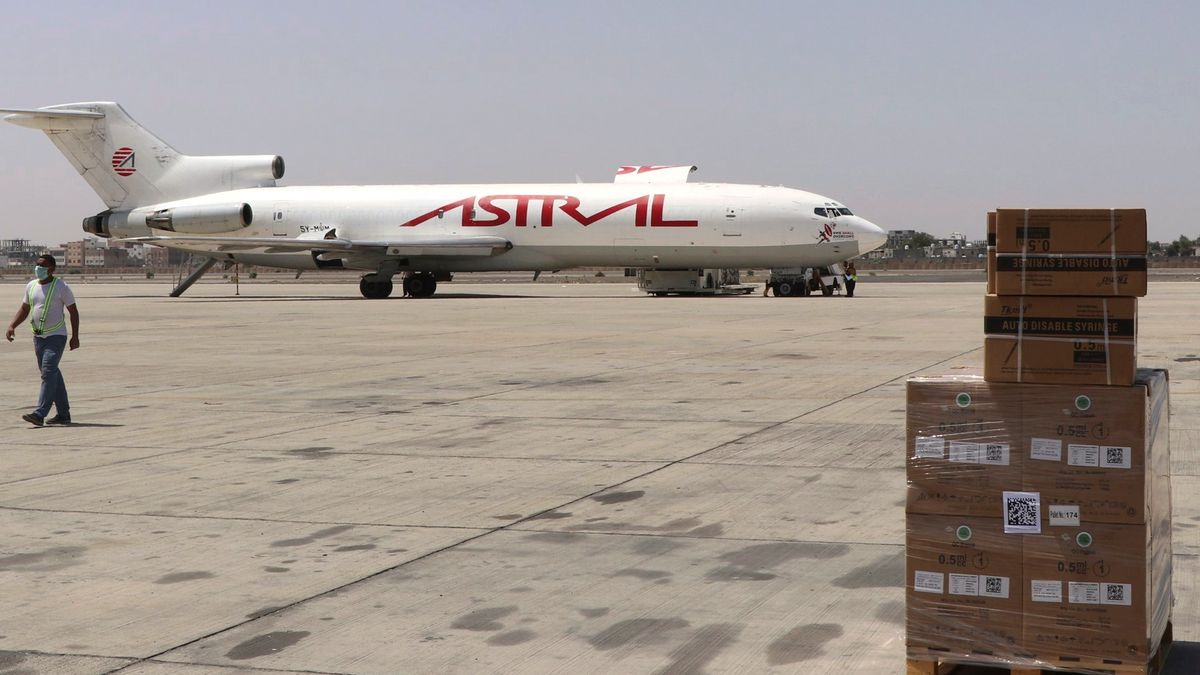
On 7 October 2026, Houthis launched at least two ballistic missiles and several drones at Aden International Airport, the main gateway for Yemen’s government‑controlled areas. One missile struck near the runway just as a commercial flight from Cairo was due to land, prompting authorities to cancel the landing and reroute the aircraft to Jeddah. Simultaneously, the Saudi‑led coalition reported intercepting another Houthi missile north of Riyadh, claiming to have tracked its launch platform over Sanaa.
The strike sits at the intersection of three overlapping incentive structures. First, the Houthis seek to pressure the internationally recognised government by threatening the logistics chain that supplies Saudi‑backed forces, especially the Badr camp near the airport. By framing the attack as a hit on “Saudi military supplies,” they aim to legitise civilian‑targeted strikes under the banner of anti‑imperialist resistance.
Second, Saudi Arabia leverages its coalition narrative to portray itself as a shield against Iranian‑aligned aggression. Intercepting a missile near its capital reinforces the image of a technologically capable defender, justifying continued military spending and the deployment of Turkish and Pakistani forces under bilateral defence pacts.
Third, the broader regional context—escalating US‑Israel‑Iran confrontations—creates a permissive environment for proxy actions. The Houthis, backed by Tehran, can act with relative impunity while the Saudi coalition leans on external partners to offset the strain of a protracted Yemen war. This dynamic fuels a feedback loop: each side escalates to demonstrate resolve, while the civilian sphere becomes an increasingly contested battleground.
The immediate danger to the Cairo‑Jeddah flight illustrates how civilian travel can become a flashpoint. Had the missile struck the aircraft, dozens of passengers—many of them Yemenis returning home or expatriates seeking refuge—could have perished. The diversion spared lives but added hours of uncertainty, missed connections, and emotional trauma for families awaiting reunification.
Aden airport employs hundreds of Yemenis in security, baggage handling, and retail. The evacuation of the terminal and removal of two aircraft disrupted wages and halted trade flows that sustain the city’s fragile economy. With the airport closed for repairs, cargo shipments of food, medicine, and construction materials face delays, compounding shortages already strained by years of blockade.
The missile strike is part of a larger offensive to retake Mocha and the Bab al‑Mandeb strait. Residents of Taiz province, where fighting intensifies, endure artillery bombardments, displacement, and loss of farmland. The cumulative effect is a deepening humanitarian crisis that stretches UN aid corridors and forces NGOs to operate in increasingly unsafe conditions.
Official statements from the Saudi‑led coalition emphasize the successful interception near Riyadh, casting the event as a defensive triumph. What receives less attention is the coalition’s reliance on foreign troops—Turkey and Pakistan—under a “deterrence measures” clause. This outsourcing hints at Saudi fatigue and the strategic calculus of keeping its own forces thin while maintaining a regional power posture.
While the Houthis claim independent agency, their missile capabilities and targeting intelligence are bolstered by Iranian support. Tehran’s role is downplayed in Saudi press releases, which instead portray the attack as a rogue act by a local rebel group. The omission obscures the broader proxy war where Tehran tests missile delivery systems that could later be exported to other theatres, such as Lebanon or Iraq.
International coverage often frames the incident as a “security incident” without delving into the civilian stakes. By focusing on military hardware and diplomatic responses, the human stories—airport staff fearing for their jobs, families fearing loss—are sidelined. This narrative choice helps both sides maintain public support: the coalition appears protective, while the Houthis appear bold.
- Missile trajectory data: Satellite imagery and open‑source tracking will reveal whether future Houthi launches originate from deeper within Sanaa or from newly established coastal sites, indicating a shift in operational reach.
- Coalition force deployments: Watch for Turkish and Pakistani troop movements to the Gulf, especially any joint exercises that could signal a longer‑term security architecture beyond Yemen.
- Humanitarian access: Monitor UN‑World Food Programme reports on cargo delays at Aden airport, as prolonged closures could trigger a secondary crisis of food insecurity in southern Yemen.
- Diplomatic chatter: Any quiet negotiations between Saudi Arabia and Iran, possibly mediated by the United States, could surface in the wake of heightened missile exchanges, altering the calculus of proxy engagements.
- Domestic political pressure: In Saudi Arabia, public opinion on the war’s cost is increasingly vocal on social media. A surge in anti‑war sentiment could pressure the coalition to reconsider its Yemen strategy.
By keeping an eye on these indicators, readers can gauge whether the missile strike marks an isolated escalation or the prelude to a broader widening of the Yemen conflict into the Arabian Peninsula’s airspace.
The Houthis said they were striking Saudi military supplies arriving at the nearby Badr camp, using the airport as a logistical hub for the Saudi‑backed government forces.
The Saudi‑led coalition intercepted the ballistic missile with its air defence system, announced the success on social media, and said it would track and destroy the launch platform.
The attack forced a flight diversion, jeopardized passenger safety, halted airport operations, and delayed essential cargo, worsening humanitarian conditions in southern Yemen.
Source referenced: ALJAZEERA
This brief was synthesized by our Editorial Engine and reviewed by The Ground Narrative team.


