TRENDING

Sunday, 25 October 2026
----------------------
14 Jumada Al-Awwal 1448 AH
US President Trump's Iran war strategy is faltering, with no clear exit strategy, amidst depleted military resources, public opposition, and energy market concerns.
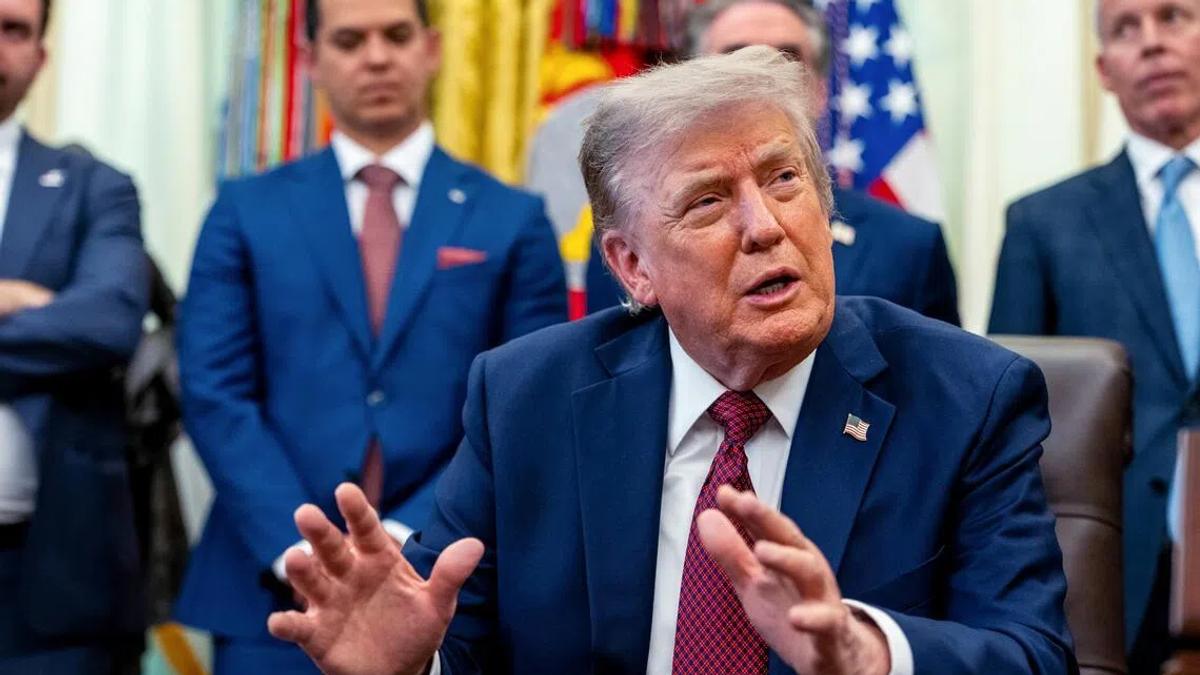
US President Donald Trump's decision to enter the Iran conflict 13 months ago was touted as a bold move, showcasing his willingness to take risks and defy conventional wisdom. However, as the conflict drags on, it has become apparent that Trump's strategy lacks a clear vision for victory or a coherent exit plan.
Trump faces three options: military escalation, economic sanctions, or withdrawal. Each option comes with significant risks and downsides. Military escalation could lead to further destabilization in the region, while economic sanctions may harm the US economy and its allies. Withdrawal, on the other hand, would be a face-saving defeat for Trump, potentially damaging his legacy and energy markets.
Trump's hesitation is influenced by several factors, including depleted military resources, public opposition, and the complexity of exiting without damaging his legacy or energy markets. The US military has been stretched thin by ongoing conflicts in the Middle East, and the public is increasingly skeptical of Trump's war efforts. Moreover, the Iran conflict has significant implications for global energy markets, making it a high-stakes gamble for Trump.
The Iran conflict is not an isolated incident. It is part of a broader pattern of US foreign policy under Trump, characterized by a reliance on military power and a disregard for international institutions. This approach has led to increased tensions with allies and adversaries alike, making it challenging for the US to achieve its foreign policy objectives.
The Iran conflict has significant regional implications, with potential spillover effects on neighboring countries. The conflict has already led to increased tensions between Iran and Saudi Arabia, with both countries engaging in a proxy war in Yemen. The situation is further complicated by the presence of US troops in the region, which could be drawn into the conflict.
The future consequences of Trump's Iran policy are uncertain, but one thing is clear: the US is trapped in a conflict with no clear exit strategy. The consequences of a prolonged conflict could be severe, including increased instability in the region, damage to the US economy, and a further erosion of trust in US foreign policy.
Trump's Iran conundrum is a classic example of a president trapped by his own making. The conflict has significant implications for US foreign policy, regional stability, and global energy markets. As the situation continues to unfold, it is essential to consider the long-term consequences of Trump's actions and the potential risks and downsides of each option. Only by understanding the complexities of the conflict can the US find a way out of this predicament and restore its credibility as a global leader.
Editor's Note: The analysis is based on publicly available information and may not reflect the full complexity of the situation.
Source referenced: STRAITSTIMES
This brief was synthesized by our Editorial Engine and reviewed by The Ground Narrative team.