TRENDING

Saturday, 17 October 2026
----------------------
6 Jumada Al-Awwal 1448 AH
UN deliveries have allowed several Tigray hospitals to restart services after months of conflict. Yet insecurity and political calculations still threaten the fragile recovery.
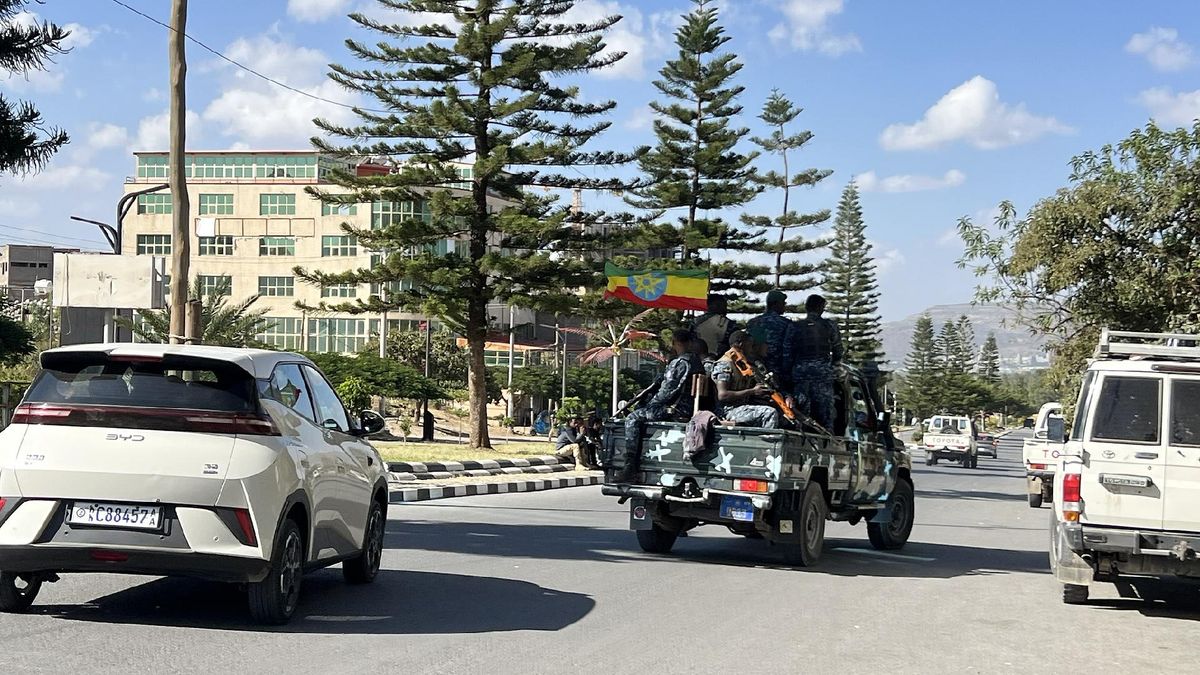
Medical supplies and equipment have begun arriving in the Tigray region, allowing key facilities such as Ayder Hospital in Mekelle to restart basic services after a year of intermittent fighting. The United Nations Office for the Coordination of Humanitarian Affairs (UN OCHA) reported that food, nutrition and other essential items are also being distributed across Tigray, Afar and Amhara, though large gaps remain. The aid flow follows a brief lull caused by renewed clashes in northern Ethiopia that disrupted road corridors and endangered aid workers.
The resumption of medical services is less a sign of lasting peace than a convergence of competing strategic interests. The Ethiopian federal government seeks to project a narrative of stability to attract foreign investment and avoid sanctions, while the TPLF leverages the humanitarian crisis to pressure Addis Ababa into political concessions. Eritrea, a key ally of the federal forces, continues to maintain a military presence along the border, influencing where aid convoys can safely travel. International donors, led by the United States and European Union, tie funding to measurable security improvements, creating a feedback loop that rewards short‑term ceasefires over durable political solutions. Meanwhile, China’s growing infrastructure projects in the Horn of Africa give it leverage to lobby for unhindered access, positioning itself as an alternative patron to Western donors. These overlapping incentives shape the timing, routing and visibility of each aid shipment.
The most vulnerable have borne the brunt of the health collapse. Malnutrition rates among children under five spiked to over 30% during the conflict, and maternal mortality rose sharply as obstetric services vanished. The return of basic surgical capacity at Ayder Hospital has already saved dozens of lives, but the backlog of untreated cases threatens to overwhelm staff.
Doctors, nurses and support staff have endured months of unpaid wages, shelling and intimidation. Many have fled to neighboring regions, creating a chronic shortage that forces remaining personnel to work double shifts. The psychological toll of treating war‑injured civilians while fearing for their own safety is an under‑reported dimension of the crisis.
Official statements highlight the generosity of the international community, yet they downplay the growing reluctance of donors to fund protracted emergencies. Aid packages are increasingly tied to security benchmarks that the Ethiopian government can manipulate, effectively turning humanitarian assistance into a bargaining chip.
Global coverage often frames the aid arrival as a humanitarian success story, glossing over ongoing shelling in remote villages and the systematic targeting of health infrastructure earlier in the war. This selective reporting obscures the fact that many clinics remain inaccessible, and that the UN itself has warned of “insecurity that continues to threaten civilians and critical infrastructure.”
Western sanctions on Ethiopian officials are presented as a moral stance, but they also constrain the government’s ability to import medical equipment independently. The narrative omits how these measures can inadvertently push Addis Ababa to seek alternative partners, reshaping regional alliances.
Future developments will hinge on three interrelated variables. First, the durability of aid corridors: any resurgence of fighting along the main highway from Addis Ababa to Mekelle could halt deliveries for weeks. Second, the progress of peace negotiations between the federal government and the TPLF, especially any agreement on civilian protection clauses. Third, the response of major donors to the UN’s warning about lingering insecurity; a sudden funding shortfall would reverse the modest gains made in hospital functionality. Observers should track satellite imagery of road traffic, statements from regional militias, and the timing of donor pledges to gauge whether the health sector’s revival is a fleeting pause or the start of a longer recovery.
UN OCHA has sent essential items such as antibiotics, surgical kits, oxygen cylinders, and basic diagnostic equipment to restart emergency and maternity services in key hospitals.
Continued clashes between federal forces, TPLF fighters, and allied militias keep roads unsafe, while checkpoints and occasional shelling delay convoys and threaten aid workers.
Source referenced: CGTN
This brief was synthesized by our Editorial Engine and reviewed by The Ground Narrative team.