TRENDING

Saturday, 17 October 2026
----------------------
6 Jumada Al-Awwal 1448 AH
Official satellite data show the Amazon’s cleared area fell to a historic minimum, a development that bolsters President Lula’s re‑election bid. Yet the numbers mask deeper contests over land, profit and survival.
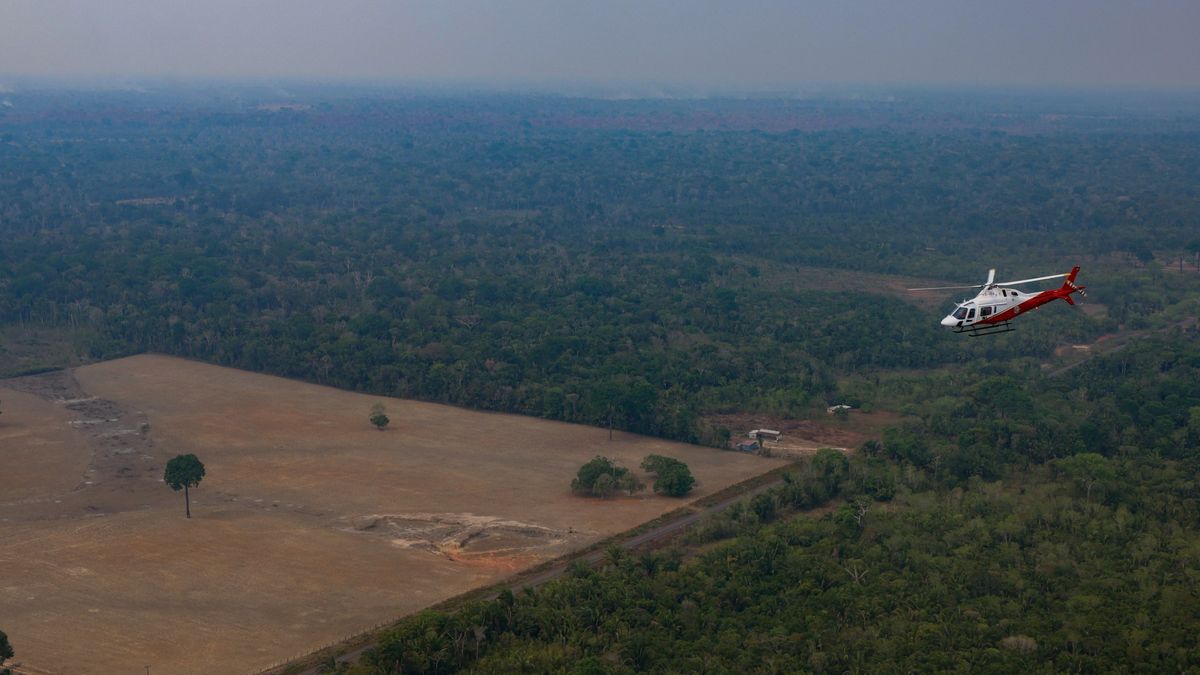
In the 12‑month period ending July 2026, Brazil reported that only 3,335 square kilometres of the Amazon were cleared, a 42 % drop from the previous year and the lowest figure since the satellite record began in 1988. The figure, released by the national space agency Inpe, eclipses the previous low set in 2011‑12 and follows a four‑year trend of declining loss that began under President Luiz Inácio Lula da Silva. The announcement arrived just days before the presidential run‑off, positioning the environmental win as a political asset.
The Prodes programme, which uses cloud‑free windows to map forest cover, confirmed the drop and also noted a 24 % reduction in deforestation across the Cerrado savanna. Government officials hailed the outcome as a "stratospheric" achievement, while climate NGOs called it a historic milestone that proves policy can curb emissions.
The plunge in forest loss is the product of intersecting incentives. First, Lula re‑activated enforcement agencies that had been weakened under his predecessor, deploying more field teams and increasing fines for illegal logging. Second, Bolsonaro’s political resurgence forces the incumbent to showcase tangible results, turning the forest metric into a campaign credential. Third, Inpe’s upgraded monitoring satellites provide near‑real‑time alerts, making it harder for loggers to operate under the radar. Together, these elements create a feedback loop: stronger oversight raises the cost of illicit activity, which in turn fuels political narratives about competence and stewardship.
Agribusiness remains Brazil’s export engine, and the Amazon sits atop fertile soils coveted for soy and cattle. By tightening penalties, the government nudges producers toward compliance, but it also risks alienating powerful lobbyists who lobby for relaxed regulations. The balance hinges on whether the state can substitute enforcement with incentives—such as payment‑for‑ecosystem‑services schemes—to keep large landholders on board.
While the headline numbers look promising, the reality on the ground is uneven. Indigenous communities that have long defended their territories see a modest reduction in encroachment, yet they still face illegal incursions by small‑scale miners and land grabbers who exploit loopholes. Small farmers in frontier zones experience heightened scrutiny; some are forced to abandon marginal plots, leading to short‑term income loss and migration to urban peripheries. Meanwhile, rural workers employed in legal timber operations confront tighter licensing, which can translate into fewer jobs in already fragile economies.
Reduced fire activity improves air quality for towns downwind of the forest, lowering respiratory illness rates. However, the shift toward intensified agriculture in cleared areas can increase pesticide exposure, creating a new set of health risks for farm laborers.
Official statements emphasize the triumph of policy, but they downplay the role of external market pressures. US tariffs on Brazilian soy and beef, announced earlier in the year, have nudged exporters to adopt greener certifications to retain market access, indirectly supporting the deforestation decline. At the same time, agribusiness conglomerates are negotiating favorable credit lines that tie loan terms to deforestation metrics, turning environmental compliance into a financial lever.
Large land‑holding companies often frame the narrative as a "voluntary" shift toward sustainability, obscuring the fact that many are complying only because penalties have risen and export markets demand proof of low‑impact practices. This framing diverts public attention from the structural dependence of Brazil’s economy on commodity exports, which continues to drive pressure on frontier forests.
The next few weeks will test whether the deforestation dip translates into lasting policy change or remains a campaign flash point. Key indicators include the enforcement budget allocated after the 2026 election, the rollout of payment‑for‑ecosystem‑services pilots in the Amazon, and any shifts in US tariff policy that could either reinforce or undermine Brazil’s green commitments. Observers should also monitor how deforestation targets are integrated into Brazil’s climate finance negotiations at the upcoming UN climate summit, where the credibility of the record low will be scrutinized by international donors.
A resurgence in satellite‑detected fires or a sudden spike in illegal logging permits would signal that the current decline is fragile. Conversely, sustained investment in monitoring technology and transparent reporting could cement the trend, reshaping Brazil’s power calculus between environmental stewardship and export‑driven growth.
The decline stems from stronger enforcement under President Lula, upgraded satellite monitoring by Inpe, higher penalties for illegal logging, and market pressures such as US tariffs that push exporters toward greener practices.
Continuation depends on post‑election budget allocations for enforcement, the rollout of incentive programs for sustainable land use, and whether international trade policies maintain pressure on Brazil to keep forest loss low.
Source referenced: ALJAZEERA
This brief was synthesized by our Editorial Engine and reviewed by The Ground Narrative team.


