TRENDING

Saturday, 17 October 2026
----------------------
6 Jumada Al-Awwal 1448 AH
Europe is weighing a bold move—reflagging merchant vessels under Western colors—to safeguard Ukraine’s grain exports. The strategy could reshape risk, but it also puts new lives and economies on the line.
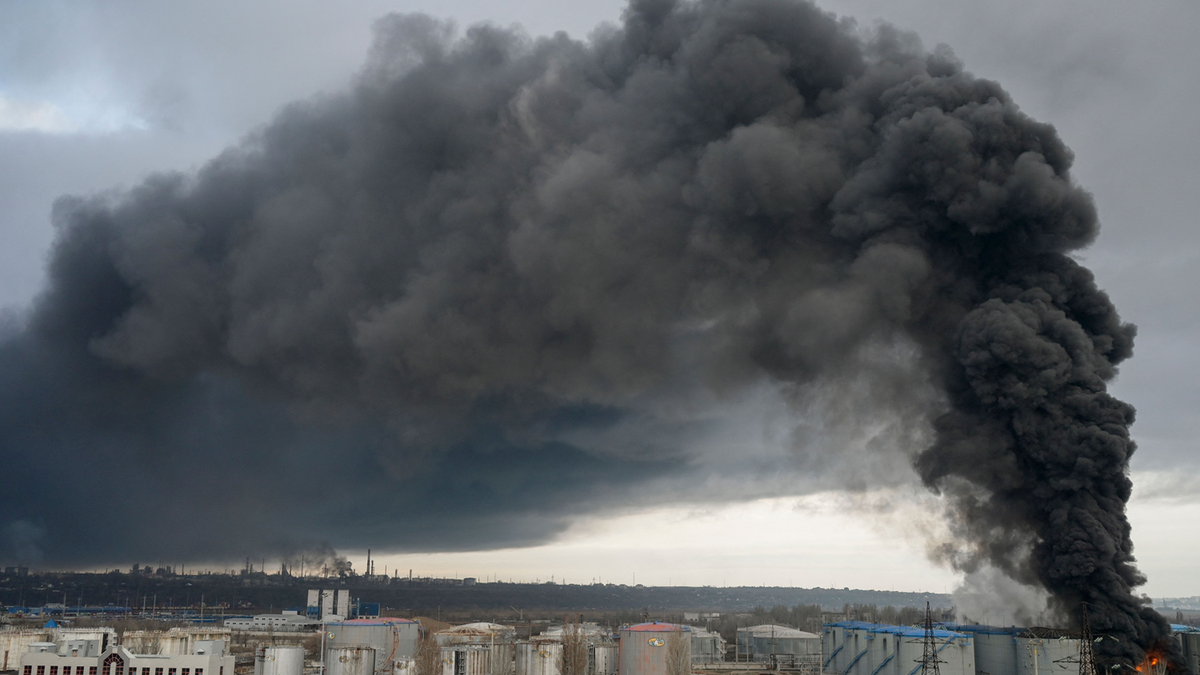
The Black Sea has become a perilous corridor for commercial shipping since July 2024, when Russian missile and drone attacks escalated, threatening Ukraine’s primary export route. With the Danube’s low water levels and overland bottlenecks, up to half of Ukraine’s agricultural shipments risk being stranded, sending ripples through global food markets. In response, European policymakers, led by France and the United Kingdom, are drafting a legal framework that would allow eligible vessels to swap flags of convenience for Western registries, effectively turning them into European‑flagged ships. The proposal builds on the 2023 Unity insurance facility and draws on the 1987 U.S. reflagging of Kuwaiti tankers during the Iran‑Iraq War.
- Strategic Incentives: European states seek to avoid a repeat of the 2022‑23 Black Sea cease‑fire collapse, which left them dependent on Russian goodwill. By attaching their own flags, they create a direct stake in the safety of each voyage, turning a commercial loss into a political cost for Moscow.
- Economic Trade‑offs: Reflagging raises insurance premiums but also unlocks state‑backed war‑risk coverage, making voyages financially viable for shipowners who would otherwise avoid the route. The model leverages existing Lloyd’s‑backed facilities, spreading risk across a coalition of insurers.
- Alliance Math: The “coalition of the willing” mirrors NATO’s ad‑hoc maritime groups, yet it operates without a formal treaty. Commitment levels will vary; Britain may pledge naval escorts, while smaller flag states might limit themselves to diplomatic protests.
- Military Doctrine: Unlike the heavily escorted convoys of Operation Earnest Will, the European plan relies on deterrence through political cost rather than constant naval presence. The doctrine assumes that a Russian strike on a French‑ or British‑flagged vessel would trigger pre‑agreed sanctions and possibly rapid escalation, making the gamble less attractive.
- Legal Architecture: Swapping flags requires harmonising registration standards, crew certifications, and liability regimes. The EU’s existing maritime regulations provide a template, but the process must be expedited to meet the seasonal grain export window.
Ukrainian grain producers already face reduced revenues from delayed shipments. A prolonged blockade could push farm incomes below subsistence levels, prompting rural migration and food insecurity across Eastern Europe.
Countries in the Middle East and North Africa rely on Black Sea wheat for up to 30% of their staple supply. Any dip in export volumes translates into higher bread prices, sparking social unrest in already volatile societies.
Reflagged vessels will likely operate under tighter security protocols, increasing crew exposure to missile and drone threats. Past incidents—such as the Turkish‑flagged *Orinda* and Maltese‑flagged *Chelsea 3*—show that even non‑combatant ships can become targets, raising casualty risks for multinational crews.
Should a Western‑flagged ship be hit, the pre‑committed response—sanctions, diplomatic retaliation, or limited naval escort—will be financed by national budgets. The cost of a single high‑profile incident could run into billions of euros in compensation and military deployment.
European officials publicly frame reflagging as a “protective measure,” yet internal briefings acknowledge that a successful Russian strike on a British‑flagged tanker would constitute a de‑facto act of war. The language of “deterrence” masks the reality that Europe may be preparing for a controlled escalation.
While the Unity facility is touted as a public‑private safety net, the majority of capital comes from private insurers who stand to profit from higher premiums. Their influence on policy decisions—such as insisting on stricter flag standards—remains largely invisible to the public.
Moscow portrays any attack on its commercial vessels as “illegal aggression,” but it rarely acknowledges that its own gray‑zone campaign deliberately blurs the line between military and civilian targets. By focusing on the legality of Western flags, Russian statements sidestep the strategic purpose of the attacks: to weaponise uncertainty.
Countries like Liberia and Malta, which issue flags of convenience for revenue, are offered a chance to upgrade to “flags of inconvenience.” Their governments are not being asked how this shift will affect their maritime labor markets or regulatory capacities, an omission that could create compliance gaps.
- EU Legislative Moves: Track the progress of the proposed maritime coalition bill in the European Parliament. Amendments that tighten response protocols will signal a higher willingness to confront Russia.
- Insurance Pricing Signals: A sudden rise in war‑risk premiums for Black Sea routes will indicate market perception of heightened danger, potentially deterring shipowners regardless of flag changes.
- Russian Tactical Shifts: Monitor drone and missile deployments near the Ukrainian coast. An uptick in attacks on Western‑flagged vessels would test the credibility of Europe’s deterrence promises.
- Grain Export Data: Monthly shipment volumes from Odesa will reveal whether reflagging translates into real‑world throughput or remains a symbolic gesture.
- Domestic Political Debates: Parliamentary hearings in France, the United Kingdom, and Germany will expose the political cost calculations behind the plan, especially concerning public opinion on risking European lives for Ukrainian grain.
By watching these threads, ordinary citizens can gauge whether Europe’s flag‑swap strategy will truly keep the Black Sea open—or simply add another layer of risk to an already volatile supply chain.
Reflagging places vessels under Western jurisdictions, raising the political and economic cost for Russia to attack them. Combined with state‑backed insurance, it makes the risk of sailing the Black Sea more acceptable for shipowners.
Crews may encounter missile and drone attacks that have already hit Turkish‑ and Maltese‑flagged ships. Even without a naval escort, a strike on a European‑flagged vessel could lead to casualties and heightened security measures.
Yes, the EU is drafting a legal framework to allow eligible commercial ships to swap flags and to define the collective response to any attack. The speed and scope of that legislation will determine how quickly the plan can be implemented.
Editor's Note: Analysis based on publicly available policy proposals and historical precedents; future diplomatic shifts could alter outcomes.
Source referenced: FOREIGNPOLICY
This brief was synthesized by our Editorial Engine and reviewed by The Ground Narrative team.