TRENDING

Saturday, 3 October 2026
----------------------
22 Rabi' Al-Thani 1448 AH
New archival materials on wartime sexual slavery victims donated in Nanjing reignite the painful legacy of Japan's WWII atrocities, exposing how historical memory remains a potent weapon in East Asian geopolitics.
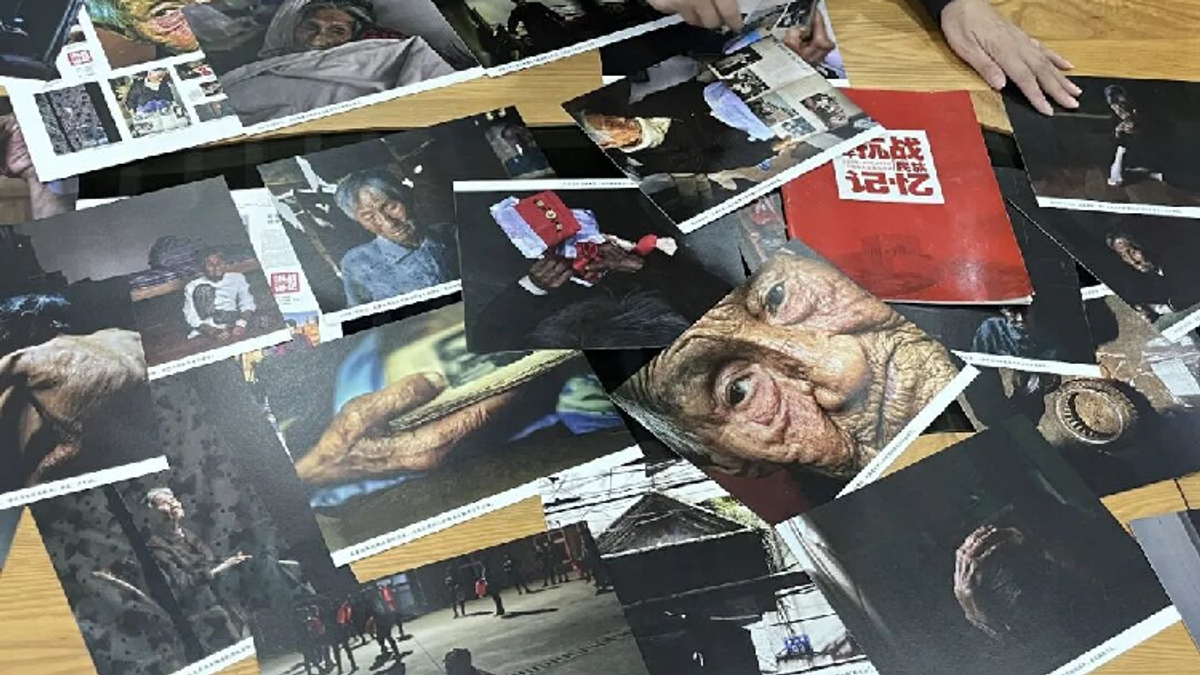
A significant collection of archival materials detailing the lives and suffering of survivors of the Japanese military's wartime sexual slavery system, often referred to as 'comfort women,' has been donated to the Memorial Hall of the Victims in Nanjing Massacre by Japanese Invaders. The donation, made by long-term researchers Li Xiaofang and Yan Meihua, includes photographs, video recordings, handprints, and detailed records of survivors, including a Korean woman identified as Mao Yinmei (Park Cha-sun), who endured brutal abuse in Wuhan, China, during the 1940s. These materials are slated for cataloging, preservation, and integration into public education and academic research programs.
This donation is not merely a historical act; it is a potent move in the ongoing geopolitical contest over historical memory in East Asia. For China, the meticulous collection and public display of these archives serve multiple purposes. Domestically, it reinforces a national narrative of victimhood and resilience against past aggressors, fostering national unity and legitimizing the ruling party's historical stewardship. Internationally, it allows Beijing to project moral authority, particularly when engaging with Japan. By continuously highlighting Japan's wartime atrocities, China gains diplomatic leverage, especially as Japan seeks to expand its regional security role and build alliances. The archives become a tool to challenge Japan's historical revisionism and demand accountability, shaping public opinion and diplomatic discourse.
For Japan, the consistent emergence of such evidence presents an enduring challenge. While some Japanese governments have offered apologies and established funds, powerful conservative factions continue to downplay or deny the coercive nature of the 'comfort women' system, framing it as voluntary prostitution. This internal political struggle often dictates Japan's external posture, leading to inconsistent messaging and a reluctance to issue a definitive, state-level apology and comprehensive reparations that would satisfy victims and their advocates. The issue also deeply impacts South Korea, where the 'comfort women' issue is a central point of contention, often souring bilateral relations despite shared security interests.
The primary human cost of this historical trauma falls squarely on the survivors themselves. For decades, these women endured unspeakable horrors, followed by a lifetime of silence, stigma, and often, a lack of justice. Many died without receiving the full recognition, apology, and compensation they sought. Their stories, now preserved in these archives, are a testament to their suffering and resilience, but also a stark reminder of the systemic failure to protect them and adequately address their pain. The intergenerational trauma extends to their families and communities, who bear the emotional scars of this history.
Beyond the direct victims, the lingering historical grievances continue to poison relations between China, Japan, and South Korea. This persistent distrust hinders deeper regional cooperation on critical issues like economic integration, environmental challenges, and security threats. Ordinary citizens in these nations often find themselves caught in the crossfire of diplomatic spats and nationalistic rhetoric, preventing a genuine reconciliation that could foster a more stable and prosperous East Asia.
What powerful actors often downplay or omit in their public statements is the full extent of the coercive nature of the 'comfort women' system and the ongoing efforts by some within Japan to erase or rewrite this history. While Japan has offered various forms of atonement, official narratives often fall short of acknowledging direct state responsibility and the systematic organization of sexual slavery by the military. This allows for ambiguity that revisionist historians and politicians exploit.
Conversely, while China champions the cause of these victims, its own narrative is carefully curated. Beijing emphasizes Japanese atrocities to bolster its geopolitical standing, often without acknowledging the complexities of its own historical narratives or other human rights concerns. The focus on this specific historical grievance, while legitimate, can sometimes overshadow the broader spectrum of civilian suffering during World War II in Asia or be used to deflect scrutiny from contemporary issues. The ultimate goal of individual justice for the dwindling number of survivors often gets subsumed into broader nationalistic and geopolitical agendas.
Moving forward, several key areas warrant close observation. Firstly, the response of future Japanese governments to continued calls for a definitive apology and comprehensive reparations will be critical. Will domestic political pressures allow for a more forthright acknowledgment, or will revisionist tendencies prevail? Secondly, the impact of these archives on international public education and advocacy will be important. As the number of living survivors diminishes, the responsibility for preserving their memory and seeking justice increasingly falls to historical institutions and human rights groups. Will their efforts generate sufficient international pressure to compel further action from Japan?
Finally, watch how this historical issue continues to shape trilateral relations between China, Japan, and South Korea. With growing security concerns in the region, particularly around North Korea and Taiwan, the ability of these nations to move past historical grievances and forge genuine cooperation will be a significant test of regional stability. The archives serve as a constant reminder that the past is never truly settled, and its echoes continue to reverberate through the present and future of East Asia.
Source referenced: CGTN
This brief was synthesized by our Editorial Engine and reviewed by The Ground Narrative team.